
In a significant shift for the South African steel industry, ArcelorMittal South Africa has announced its decision to cease long steel production by April, a move that reflects broader challenges facing the sector. The company, which is a subsidiary of the global steel giant ArcelorMittal, cited various economic pressures and a changing market landscape as key factors behind this decision. This closure is expected to have significant implications for the local economy, employment levels, and the supply chain for construction materials. As the nation grapples with the ongoing impacts of global steel demand fluctuations and domestic industrial challenges,this development signals a pivotal moment for stakeholders across the industry.
ArcelorMittal’s Strategic Shift: Ending Long Steel production in South Africa
In a significant move, ArcelorMittal South Africa has announced its plans to terminate long steel production by April, a decision that underscores the ongoing challenges in the domestic steel sector. The company cited various factors impacting its operations, including stiff competition from imported steel and the rising costs of raw materials. As a part of this strategic realignment, ArcelorMittal aims to streamline its production processes and focus on more profitable segments, which may involve transitioning towards flat steel products that have a growing market demand. This shift represents a broader trend within the industry as players grapple with evolving consumer needs and economic pressures.
The cessation of long steel production will have implications not only for ArcelorMittal but also for the broader South African economy. Potential impacts include:
- job losses: The halt in production could lead to significant layoffs in sectors tied to long steel manufacturing.
- Market Dynamics: Increased reliance on imports may lead to price changes and impact local suppliers.
- Strategic partnerships: The company may explore collaborations with other manufacturers to adapt to shifting market demands.
As part of this transition, stakeholders are urged to assess both the short-term disruptions and potential long-term benefits from reallocating resources toward more lasting and profitable production lines.

Impact on the Local Economy and Job Market Following Production Cessation
The decision by ArcelorMittal South Africa to halt long steel production by April marks a significant shift in the local economy of the regions dependent on this vital industry. This move is expected to have far-reaching consequences, notably affecting employment rates and local business operations. As the steel production facility is a major employer, its closure could lead to job losses for thousands of workers, thereby diminishing consumer spending power in the community. Businesses that serve these workers—such as local retailers, service providers, and even housing markets—may also experience a decline in revenue due to reduced disposable income and overall economic activity.
Furthermore, the impact on the job market could extend beyond immediate layoffs. Companies reliant on ArcelorMittal’s supply chain may also face operational uncertainties and workforce reductions, creating a ripple effect through various sectors. Local governments may need to respond proactively to mitigate these effects, potentially implementing initiatives that focus on economic diversification and retraining programs. The following factors highlight the anticipated impacts of production cessation:
- Increased Unemployment Rates: Substantial job losses as a direct result of facility shutdown.
- Economic Downturn: Decreased local spending as families adjust to lost income.
- Business Closures: Small businesses may struggle to survive without a robust customer base.
- Tax Revenue Decline: Local governments may face budget constraints due to falling tax revenues.

Analysis of Long Steel Demand Trends: Factors Leading to ArcelorMittal’s Decision
The decision by ArcelorMittal South Africa to halt long steel production by April 2024 marks a significant shift in response to evolving market conditions. Several factors have contributed to this strategic move, all pointing to a nuanced understanding of the long steel demand landscape. Key considerations included:
- Declining Demand: An observable decrease in demand for long steel products across various construction sectors, aggravated by slow infrastructure projects.
- Global Competition: Increased competition from international markets, which has led to pricing pressures that have made domestic production less viable.
- Operational Costs: Rising energy and raw material costs that have squeezed profit margins,forcing reevaluation of production lines.
- Sustainability Trends: A growing focus on environmentally sustainable practices, prompting the company to shift investments toward more eco-friendly steel production methods.
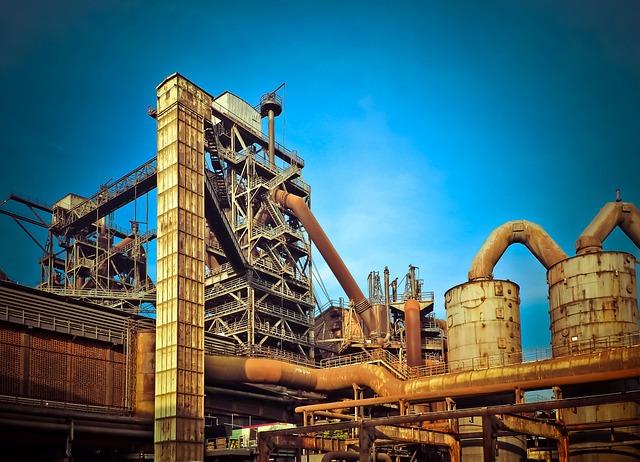
The interplay of these factors has prompted ArcelorMittal to reassess its operational strategy within the long steel segment.As the global steel industry grapples with fluctuating market dynamics, companies are increasingly prioritizing efficiency and adaptability. To illustrate this shift comprehensively, the following table summarizes recent trends impacting long steel demand:
| aspect | Trend | Impact |
|---|---|---|
| Market Demand | Decreased | Reduced production capacity |
| Production Costs | Increased | Lower profitability |
| Environmental Regulations | tightening | Shift towards green technologies |
Recommendations for Stakeholders in the Steel Industry Amidst Transition
As stakeholders in the steel industry navigate the cessation of long steel production by ArcelorMittal South Africa, it is indeed crucial to adopt a proactive approach to mitigate potential impacts. Investors should consider diversifying portfolios to reduce dependency on traditional steel products, while manufacturers may need to pivot towards innovative materials and production methods. Collaborations with research institutions can foster the development of sustainable alternatives and allow manufacturers to enhance their product offerings in a shifting market.
Additionally, policymakers are urged to implement supportive frameworks that encourage the transition towards greener practices. Initiatives such as subsidies for renewable energy sources and incentives for recycling steel can stimulate economic growth while minimizing environmental impact.A focus on workforce retraining programs will be essential to ensure that employees displaced by the transition are provided with new opportunities. Establishing forums for stakeholder dialogue can facilitate communication and cooperation, ensuring all voices are heard in shaping the future of the industry.
Future Outlook for ArcelorMittal and the South African Steel Market
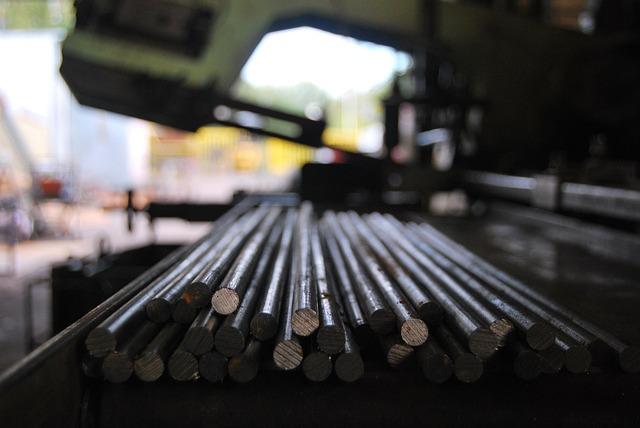
The decision by ArcelorMittal south Africa to halt long steel production represents a significant turning point for the company and the broader steel market in the region. This shift is guided by a variety of factors, including the need to adapt to changing global demand, fluctuating commodity prices, and increasing competition from international producers. Analysts speculate that this move may streamline operations and allow ArcelorMittal to focus on more profitable areas,potentially leading to an overall boost in efficiency. However, the immediate implications for employment and local industries are concerning, as a reduction in long steel production could impact various downstream manufacturing sectors reliant on this essential material.
Looking ahead, the South African steel industry faces both challenges and opportunities. Key considerations include:
- Regulatory Habitat: New policies may emerge that could either hinder or incentivize growth.
- investments in Technology: Advances in production techniques may help companies reduce costs while improving quality.
- Global Trade dynamics: Tariffs and trade agreements will play a crucial role in determining market competitiveness.
Moreover, as the industry adapts to these changes, stakeholders are keenly observing ArcelorMittal’s strategic redirection. Collaborations with local enterprises and innovation in sustainability practices could position the company favorably in a transitioning economy. The responsiveness to consumers’ evolving needs in the construction and manufacturing sectors could shape the market landscape for years to come.
Exploring Alternatives and Innovations in Steel Production for Sustainability
As the steel industry grapples with increasing environmental pressures and the transition to sustainable practices, ArcelorMittal South Africa’s decision to halt long steel production signifies a critical juncture. This shift signifies an opportunity to explore innovative alternatives that can not only reduce carbon footprints but also enhance resource efficiency. potential solutions include:
- Electrification of Production Processes: Transitioning to electric arc furnaces powered by renewable energy sources.
- Carbon Capture and Storage (CCS): Implementing technologies that capture carbon emissions during production.
- Recycling and Circular Economy Practices: Increasing the use of scrap metal and other recycled materials in steel production.
- Hydrogen-Based Reduction: Exploring the use of hydrogen as a cleaner choice to carbon in reducing iron ore.
Moreover, the pivot towards sustainable steel production necessitates collaboration among various stakeholders, including governments, industry leaders, and researchers. By investing in research and development, businesses can tailor solutions that effectively address environmental concerns while maintaining economic viability. A possible framework for innovative practices in steel production could include:
| Innovation | Benefit |
|---|---|
| Sustainable Raw Materials | Reduces dependency on virgin resources. |
| Advanced Manufacturing Techniques | Enhances efficiency and reduces waste. |
| Digitalization and Automation | Improves processes and minimizes errors. |
| Lifecycle Assessment Approaches | Informs decision-making through extensive impact analysis. |
in summary
ArcelorMittal South Africa’s decision to cease long steel production by April marks a pivotal moment in the local steel industry, reflecting both global market dynamics and internal operational challenges.The move is anticipated to have significant implications for local employment and the broader construction sector, as stakeholders assess the consequences of reduced steel availability. As the company navigates this transition, industry observers will be closely monitoring its strategies for mitigating the impact on its workforce and aligning with evolving market demands. This development underscores the ongoing pressures faced by steel manufacturers amid changing economic landscapes and highlights the need for adaptive measures in an industry that plays a critical role in South Africa’s infrastructure development.