
Cyclone Garance: A Deadly Storm Strikes Reunion Island
In a devastating turn of events, cyclone Garance has swept through Reunion Island, claiming the lives of three individuals amidst widespread destruction. The powerful storm brought with it heavy rains, strong winds, and significant disruption to daily life on the island, prompting emergency response efforts. As authorities assess the damage and provide support to affected communities,the storm’s impact raises urgent questions about preparedness and resilience in the face of increasingly frequent extreme weather events. This article examines the scale of the tragedy, the response from local officials, and the broader implications of Cyclone Garance for the region.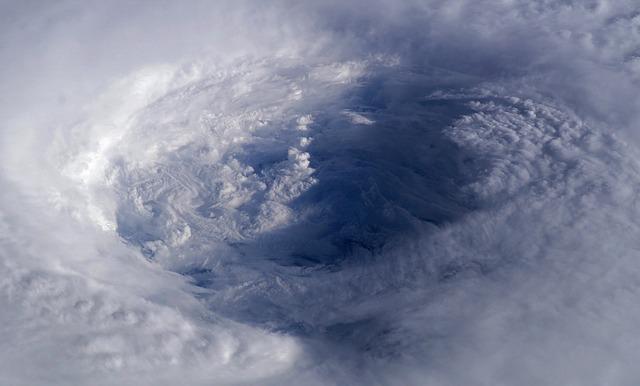
Impact of Cyclone Garance on Reunion Island’s Communities
The devastation wrought by Cyclone Garance has left indelible scars on the communities of Reunion Island. With three reported fatalities, the cyclone has profoundly impacted families who are now grappling with loss and uncertainty. The strong winds and torrential rains caused significant damage to infrastructure, including homes, schools, and essential services. As the storm subsided, local authorities began assessing the widespread destruction, revealing the urgent need for aid and support in the affected areas. The sense of community solidarity has surged, with neighbors banding together to assist those most in need.
Emergency response teams have mobilized to address essential services, albeit hampered by damaged roads and ongoing adverse weather conditions. Communities are focusing on the following areas as they begin to rebuild:
- Health Services: Restoration of medical facilities and provision of psychological support for affected families.
- Housing assistance: Initiatives to provide temporary shelters for those displaced from their homes.
- Community Workshops: Programs aimed at educating residents on disaster preparedness to minimize future risks.
Moreover, authorities are working to implement long-term recovery plans, emphasizing the importance of sustainable practices to bolster community resilience against future cyclones. the road ahead will undoubtedly be challenging,but the shared determination of Reunion Island’s citizens shines through the darkness brought by garance.
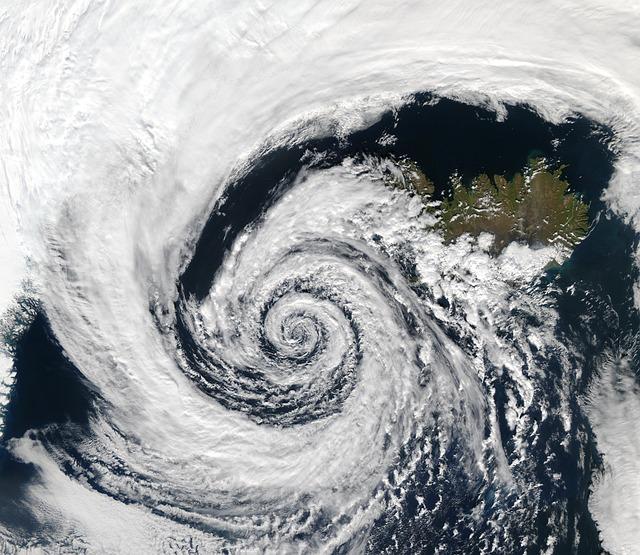
emergency Response Efforts in the Aftermath of Cyclone Garance
The aftermath of Cyclone Garance has mobilized emergency services across Reunion Island, with local authorities swiftly activating a comprehensive response plan to assist affected communities.Rescue teams have been deployed to the hardest-hit areas, where they are conducting search and rescue operations and providing immediate medical care to those injured. Efforts are focused on ensuring the safety of residents and restoring access to essential services, including power and water supply.
relief efforts are being coordinated among various organizations, with volunteers stepping forward to assist in the distribution of emergency supplies. Key initiatives include:
- Temporary Shelters: Establishing safe spaces for those displaced by the cyclone.
- Food Distribution: Ensuring that affected families receive essential food items.
- Medical Aid: Deploying mobile clinics to provide healthcare to those in need.
| Service | Details |
|---|---|
| Emergency Hotline | Contact number for reporting emergencies. |
| Volunteering Opportunities | Information on how to assist in recovery efforts. |
| Donation Drives | Ways to contribute supplies or funds. |
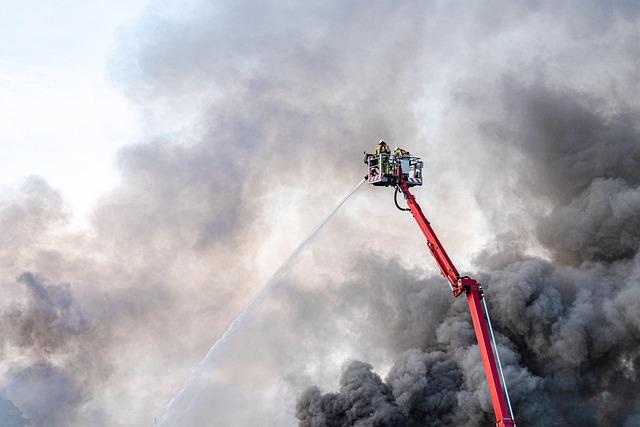
Lessons Learned from Cyclone Garance for Future Preparedness
The devastating impact of Cyclone Garance has highlighted several critical areas for advancement in disaster preparedness and response strategies. The loss of lives and damage to infrastructure underscore the need for better prediction systems and timely dialog. Local authorities must invest in advanced weather tracking technologies and establish clear protocols for evacuations and resource distribution. Strengthening community resilience through education on disaster preparedness and conducting regular drills can greatly enhance the public’s readiness for future cyclones.
Furthermore, it is essential to evaluate and update existing emergency response plans to ensure they address the unique challenges posed by such natural disasters. Key lessons include the importance of fostering collaboration among local, regional, and national agencies. Enhanced training for first responders and establishing a designated emergency fund can provide speedy financial assistance to affected areas. Regular assessments of infrastructure, especially in high-risk zones, should be conducted to ensure that buildings and facilities can withstand severe weather events. A focus on sustainability in urban planning will also mitigate potential damage from future cyclones.
Government Support and Assistance for Affected Residents
The government has mobilized a range of resources to support residents impacted by the devastation of Cyclone garance. Emergency response teams have been deployed across the most affected areas to assess damage and provide immediate relief. The following measures have been implemented:
- Emergency Shelters: Temporary shelters have been established to house displaced residents, ensuring access to basic necessities.
- Financial Aid: Emergency relief funds have been allocated to assist affected families with essential expenses such as food and medical care.
- Psychological Support: Counseling services are being offered to help individuals cope with trauma and loss.
- Infrastructure restoration: Efforts are underway to restore damaged roads and utilities to facilitate access and recovery.
in addition to immediate assistance, the government is planning longer-term recovery efforts to rebuild communities and infrastructure. A proposal has been submitted to allocate funding for:
| Recovery Initiative | Description |
|---|---|
| Home Reconstruction | support for rebuilding homes and businesses that were destroyed or severely damaged. |
| Public Health Campaigns | Awareness programs focused on health and safety in the aftermath of the cyclone. |
| Community Engagement | Workshops to involve residents in planning future resilience measures against natural disasters. |
long-Term Environmental Consequences of Cyclone Garance
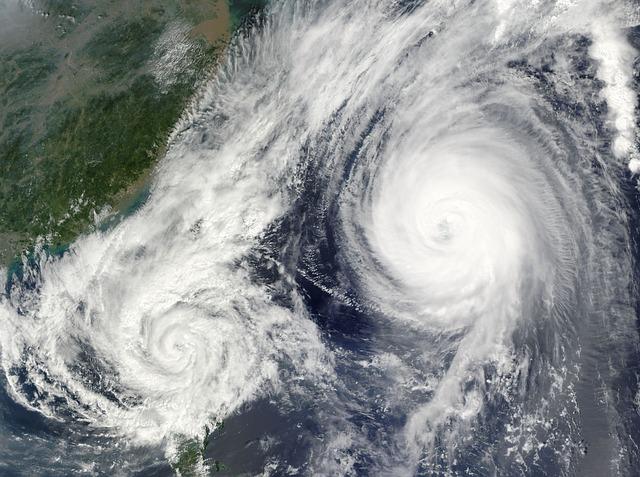
The aftermath of cyclone Garance has left not only immediate devastation on reunion Island but also long-term environmental implications that may take years to fully manifest. Coastal erosion is a significant concern, as the cyclone’s powerful winds and turbulent waters can lead to the degradation of shoreline ecosystems. The loss of protective mangroves and coral reefs will compromise the island’s natural defenses against future storms, increasing vulnerability to flooding and further erosion. The disruption of marine habitats can also result in diminished biodiversity, threatening local fish populations that are vital to both ecosystems and livelihoods.
Additionally, the inland areas have been adversely affected, with heavy rainfall leading to soil erosion and potential landslides. The loss of fertile topsoil can severely impact agricultural productivity, triggering economic challenges for farmers who rely on consistent crop yields. The cyclone has also likely released pollutants and debris into waterways, posing risks to freshwater resources and the health of aquatic life. Understanding these evolving challenges is crucial for implementing effective recovery and management strategies that prioritize the resilience of ecosystems and communities vulnerable to future climate-related events.
How Residents Can Prepare for Future Cyclones and Natural Disasters
To effectively brace against the impact of future cyclones and natural disasters, residents should prioritize building a comprehensive disaster preparedness plan. Each household should consider creating an emergency kit containing essential supplies such as water, non-perishable food, and basic first-aid items. It’s also wise to keep important documents in a safe, easily accessible location. Communities can enhance resilience by engaging in local drills and staying informed about potential hazards through government updates and local alerts.
Moreover, residents are encouraged to strengthen their homes against extreme weather events. This can include measures like reinforcing roofs, securing windows with shutters, and clearing surrounding landscapes to prevent debris buildup. Regularly reviewing evacuation routes and having a designated meeting location for family members can significantly reduce confusion during emergencies. Building connections with neighbors and local organizations can foster a cooperative environment that is crucial in times of crisis.

To Wrap It Up
as Cyclone Garance continues to impact Reunion Island, the death toll has risen to three, underscoring the severe consequences of this natural disaster. With widespread damage reported across the region, emergency services are working tirelessly to assess the situation and provide aid to those affected. The local government has urged residents to remain vigilant as recovery efforts begin and meteorological experts monitor the cyclone’s aftermath. As the island grapples with the immediate effects of Garance,the focus now shifts to rebuilding and ensuring the safety of the community in the face of future storms. Ongoing coverage and updates will be essential as both local authorities and residents navigate the challenges posed by this natural calamity.