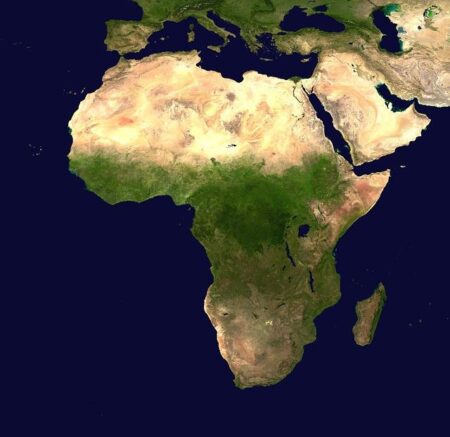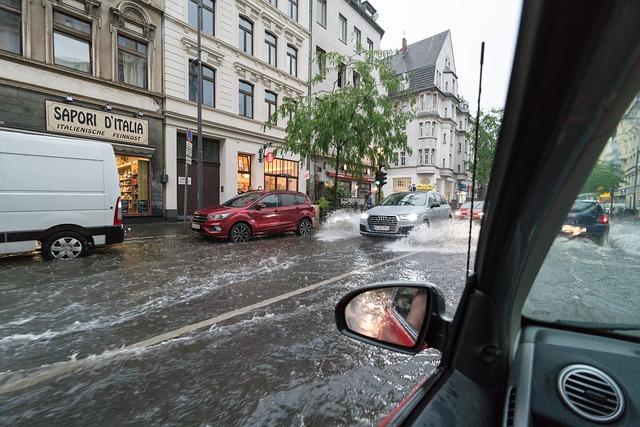
Severe flooding across East Africa has unleashed a wave of destruction, leaving communities grappling with the immediate and long-term impacts of natural disaster. Among the hardest-hit nations,Burundi stands out as a poignant example of the devastation,with torrential rains causing rivers to overflow and displace thousands of residents. The situation has prompted urgent humanitarian responses as overwhelmed families face the loss of homes, crops, and livelihoods. This article delves into the latest developments in Burundi and the broader East African region, highlighting the extent of the damage, the responses from local and international aid organizations, and the underlying factors contributing to this alarming trend in weather patterns. As communities band together to navigate the aftermath, the need for comprehensive strategies to address both immediate relief and long-term resilience becomes increasingly critical.
Impact of Severe Flooding on East African Communities
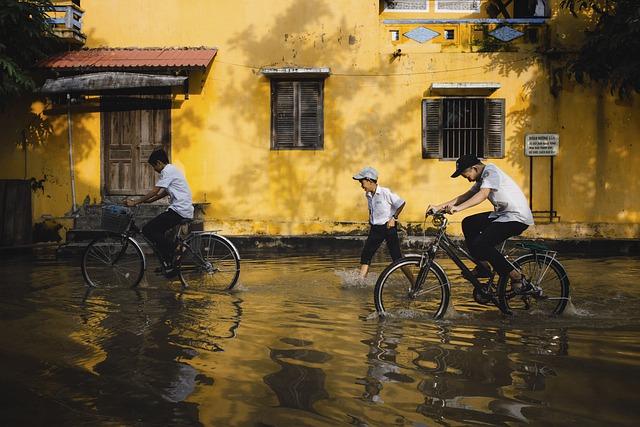

The recent severe flooding across East africa has resulted in catastrophic consequences for countless communities, notably in Burundi, where the impact has been most pronounced. The heavy and relentless rains have led to the overflowing of rivers and the inundation of farmland, leaving many families displaced and struggling to survive. The disruption has not only affected agricultural production,which is vital for food security in the region,but has also severely damaged infrastructure. Roads and bridges are reported compromised,hampering humanitarian aid and preventing access to essential services.
As communities grapple with the aftermath, the repercussions of the flooding reveal a grim reality:
- Displacement: Thousands have been forced to evacuate their homes, seeking shelter in overcrowded camps.
- Health Risks: The flooding poses serious health concerns, including waterborne diseases and the spread of infections.
- Economic Loss: Livelihoods have been destroyed, particularly for farmers who rely on stable weather patterns for subsistence.
- Food Insecurity: With crops lost to floods, the threat of famine looms larger for many families in the region.
In response, local and international aid agencies have mobilized efforts to provide support to affected populations. Though, the scale of destruction necessitates a long-term strategy for recovery and resilience against future climate events to mitigate the recurring risk of such devastating flooding.
Burundi Faces Unprecedented Challenges Amidst rising Waters
As intense rains continue to batter the region, Burundi finds itself grappling with the devastating impacts of flooding. the overflow of rivers has led to extensive damage across the nation, displacing thousands and compromising essential infrastructure. With the water level in Lake Tanganyika rising at an alarming rate, the local government is under immense pressure to provide immediate relief to communities affected by this disaster. The severe weather has exacerbated already existing vulnerabilities, leaving many families without shelter or access to basic necessities.
In response to this crisis, various organizations and humanitarian agencies are mobilizing resources to assist those in need. Key challenges in the relief effort include:
- Logistical difficulties: reaching remote areas affected by floods.
- Resource allocation: A shortage of food and clean water supplies.
- Health risks: The outbreak of waterborne diseases due to contaminated water sources.
| Key Statistics | Current Status |
|---|---|
| Estimated Displaced Population | Over 150,000 |
| Schools Closed | 200+ |
| Health Facilities Compromised | 50+ |
Infrastructure Damage: The Cost of Flooding in Urban Areas

The recent floods in Burundi have exposed the fragile state of urban infrastructure, revealing vulnerabilities that have escalated the crisis considerably. key roadways, essential for transport and commerce, have been submerged, hindering access to critical services and isolating communities. the loss of infrastructure has resulted not only in structural damage but also in severe economic repercussions. Businesses face increased operational costs and revenue losses, while citizens are left grappling with disrupted daily life. The immediate impacts include:
- Blockages in transportation: Critical routes remain impassable, delaying emergency responses.
- Damaged utilities: Water and electricity supplies have been severely affected, leading to shortages.
- Economic downturn: Small businesses are forced to close, leading to job losses and reduced local spending.
The aftermath of flooding also highlights the higher costs associated with repair and recovery efforts. Local governments are now facing steep bills to restore damaged infrastructure, which could potentially divert funds from other crucial services such as education and healthcare. The table below illustrates the estimated costs of repairing key infrastructure in affected urban areas:
| Infrastructure | Estimated Repair cost (USD) | Impact on Community |
|---|---|---|
| Roads | $1.2 million | Improved access for vehicles and emergency services. |
| bridges | $800,000 | Restoration of key transport links. |
| Water Systems | $500,000 | Re-establishing clean water access for residents. |
Response Efforts and Humanitarian Aid: What Is being Done
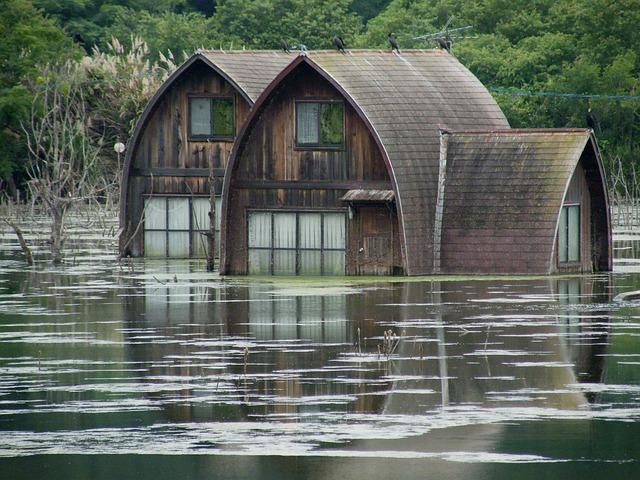
as communities across east Africa face unprecedented challenges due to severe flooding, local and international organizations have mobilized to provide essential support.In Burundi, where the impact has been particularly devastating, humanitarian efforts include:
- Emergency Relief Teams: Deploying teams equipped with medical supplies and food aid to the worst-hit areas.
- Temporary Shelters: Setting up makeshift shelters to accommodate displaced families and individuals.
- Water and sanitation Initiatives: Providing clean drinking water and sanitation facilities to prevent disease outbreaks.
- Psychosocial Support: Offering counseling services to help affected individuals cope with trauma.
International agencies are also stepping in with significant funding and resources. Aid from organizations such as the United Nations and the Red Cross is focusing on long-term recovery plans, which include:
| Focus area | Planned Actions |
|---|---|
| infrastructure Repair | Rebuilding roads and bridges damaged by floods. |
| Agricultural Support | Providing seeds and tools to local farmers. |
| Education Continuity | Restoring access to education for children affected by the floods. |
Long-Term Solutions for Flood Resilience in east Africa
Addressing the persistent issue of flooding in East Africa, particularly in countries like Burundi, calls for comprehensive long-term strategies that not only mitigate the immediate impacts but also enhance the region’s overall resilience. Implementing effective land-use planning is crucial. This involves identifying and preserving vital green spaces and wetlands that can absorb excess rainwater. Communities must also invest in drainage system improvements to ensure that stormwater is efficiently channeled away from populated areas. Enhanced weather forecasting and early warning systems will equip local populations with timely facts, empowering them to take proactive measures before disasters strike.
Another key facet of building flood resilience involves community education and engagement. Providing training programs focused on sustainable agricultural practices will help farmers adapt to changing climate conditions while reducing soil erosion. Furthermore, the establishment of flood adaptation infrastructure, such as levees, flood barriers, and retention ponds, is essential in safeguarding vulnerable communities. Collaborative efforts should also be made with NGOs and local governments to foster resilience through financial assistance and resource-sharing agreements. Collectively, these strategies can equip East African nations with the tools necessary to combat the recurring threat of flooding.
Call to Action: Global Support Needed for affected Regions
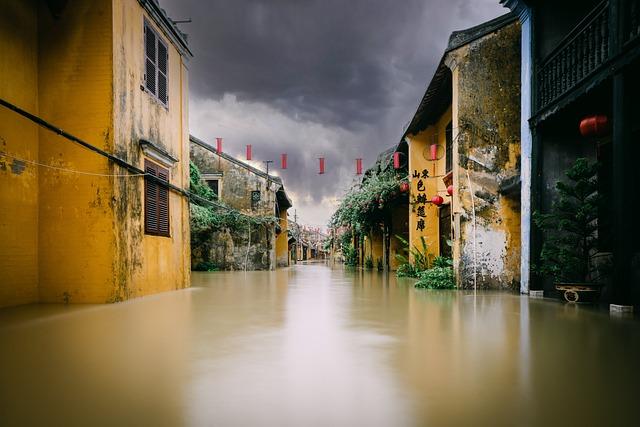
In the face of this unprecedented disaster, the need for immediate and sustained global support is paramount. Countries around the world must come together to provide much-needed assistance to the affected regions, particularly Burundi, where the devastation has been most severe. The impact of flooding has been catastrophic, leading to loss of life, displacement of families, and destruction of vital infrastructure. To aid in recovery efforts, we urge international organizations, governments, and individuals to consider contributing to relief funds and humanitarian initiatives. Yoru support can make a tangible difference in the lives of those affected by this crisis.
Efforts to alleviate the suffering include:
- Emergency relief supplies: Provision of food, clean water, and medical supplies.
- Infrastructure repair: Rebuilding roads, bridges, and homes to restore connectivity and safety.
- long-term recovery programs: Supporting local economies and ensuring sustainable livelihoods for affected families.
we also call on governments to prioritize disaster response strategies and to allocate resources towards prevention measures to mitigate future tragedies. Below is a table showcasing current contributions and needs:
| Item | Current Contribution | Urgent Needs |
|---|---|---|
| Food Assistance | $2 million | $5 million |
| Medical Supplies | $500,000 | $1.5 million |
| Housing Reconstruction | $1 million | $4 million |
Every effort counts, and together, we can definitely help the communities in East Africa rebuild and recover from this devastating flooding crisis. Your contribution, no matter how small, is a step towards restoring hope and resilience in the lives of those affected.
Future Outlook
As east Africa navigates the devastating aftermath of widespread flooding, the situation in Burundi remains particularly dire. With infrastructure severely compromised and essential services disrupted,the challenges facing local communities are immense. Humanitarian efforts are underway, but the scale of the disaster demands urgent international support and cooperation. As the region grapples with the immediate consequences of this environmental crisis, it also underscores the urgent need for long-term strategies to mitigate the impact of climate change and improve resilience. Continued attention to the plight of those affected is crucial, not only for recovery but for the future stability of East Africa. As we observe the unfolding events, we are reminded of the pressing need for solidarity in the face of such human tragedies.