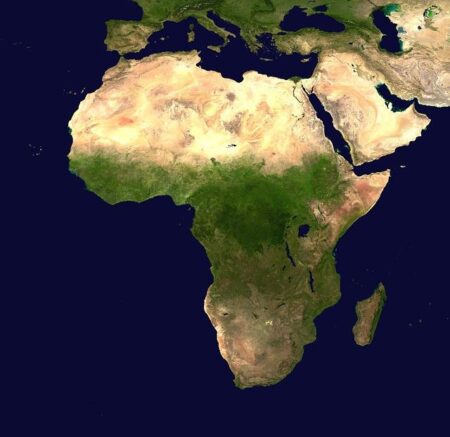
In a devastating turn of events, East africa is grappling with unprecedented flooding that has displaced hundreds of thousands of residents across the region. According to a recent report by the United nations, torrential rains have overwhelmed soil and infrastructure, leading to severe humanitarian crises in countries such as Kenya, Somalia, and Ethiopia.The floods have not only submerged homes but have also disrupted essential services, exacerbating existing vulnerabilities and threatening food security. As communities struggle to cope with the aftermath of what is being labeled a climate-induced disaster, the international community faces urgent calls for assistance and intervention to alleviate the suffering of those affected. This article delves into the causes, impact, and response to the flooding crisis, highlighting the dire need for support in a region already beset by challenges.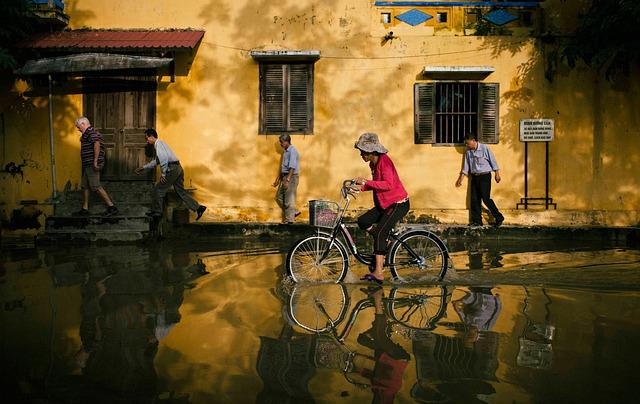

Impact of Unprecedented Flooding on East African Communities
The recent catastrophic flooding across East Africa has led to severe humanitarian crises, displacing hundreds of thousands from their homes and setting back years of advancement.Communities are grappling with the immediate effects, as vast areas become uninhabitable, leading to urgent needs for shelter, food, and clean water. The consequences are not limited to physical displacement; the social fabric of these regions is under strain, as families are torn apart and local economies suffer from the destruction of infrastructure and livelihoods. Key challenges faced by displaced communities include:
- Destruction of homes and vital infrastructure.
- Increased risk of waterborne diseases.
- Loss of crops and livestock,threatening food security.
- Psychological trauma from displacement and loss.
as aid organizations mobilize to address the situation, the scale and complexity of the crisis remain daunting. Recovery efforts are hampered by ongoing rainfall and logistical challenges in reaching remote areas.Immediate interventions needed include:
| Intervention | Purpose |
|---|---|
| Emergency shelter | Providing safe housing to displaced populations. |
| Health services | Preventing disease outbreaks and treating injuries. |
| Food and water distribution | Ensuring access to basic necessities. |
| Psychosocial support | Helping individuals cope with trauma. |
International cooperation and sustained funding are vital for effective response and rebuilding efforts. As East African nations come together to navigate this immense challenge, the resilience of their communities stands as a testament to their enduring spirit in the face of adversity.


Humanitarian Response Efforts and Challenges Faced by aid Organizations
The recent unprecedented flooding across East Africa has triggered a profound humanitarian crisis, with hundreds of thousands displaced from their homes.In the aftermath, aid organizations are working diligently to deliver essential support, but they encounter numerous challenges that hinder their effectiveness. Logistical barriers,including damaged infrastructure and inaccessible regions,significantly complicate the delivery of relief. Additionally, security concerns in some areas prevent aid workers from reaching those in desperate need.
Despite these hurdles, organizations remain committed to providing crucial assistance. Key efforts include:
- Emergency shelter provisions: Temporary housing for displaced individuals.
- Access to clean water: Establishing clean water points to prevent waterborne diseases.
- Health services: Mobile clinics addressing urgent medical needs.
The international community must also address funding inadequacies, which can exacerbate these challenges. Current estimates indicate that funding shortfalls are preventing organizations from scaling their responses adequately. Below is a summary of funding needs versus available resources:
| Funding Need | Available resources | Shortfall |
|---|---|---|
| $200 million | $150 million | $50 million |

Health Risks and Environmental Concerns arising from Flooding
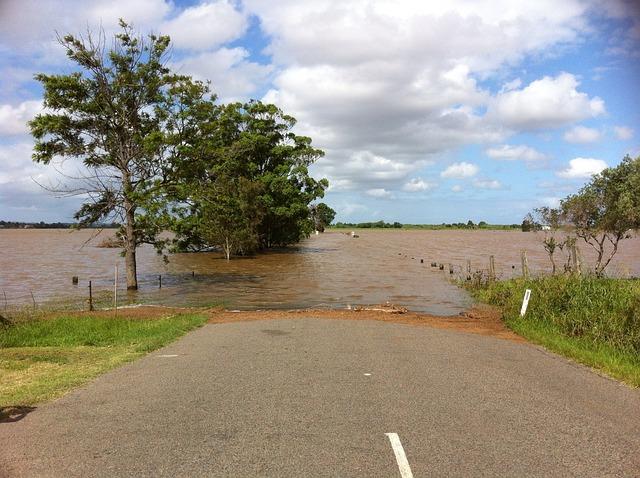
The recent flooding across East Africa has triggered a multitude of health risks for the displaced populations. Standing water often serves as a breeding ground for disease-carrying vectors like mosquitoes, leading to heightened instances of malaria and dengue fever. Additionally, the disruption of clean water supplies increases the likelihood of waterborne diseases such as cholera and typhoid fever. The crowded conditions in temporary shelter arrangements pose further health threats, making it easier for respiratory infections and other communicable diseases to spread among vulnerable groups, notably children and the elderly.
Environmental concerns also arise as floodwaters inundate agricultural lands, jeopardizing food security for millions. Fertile soil is washed away, and crops are destroyed, leading to food shortages that will reverberate for months, if not years. The contamination of waterways with pollutants,chemicals,and waste from flooded areas can cause long-term ecological damage,affecting local wildlife and the health of ecosystems. Moreover, the destruction of infrastructure—such as roads and sanitation facilities—compounds these challenges, making recovery efforts more arduous and prolonging the displacement of communities.
| Health Risks | Environmental Concerns |
|---|---|
| Increased incidence of malaria | Spoiled agricultural land |
| Outbreaks of cholera | Polluted water sources |
| Respiratory infections | Displacement of wildlife |


Long-term Solutions for Climate Resilience in Vulnerable Regions
The unprecedented flooding in East Africa highlights the urgent need for comprehensive strategies to enhance climate resilience in regions particularly vulnerable to natural disasters. Over the years, environmental degradation, urbanization, and climate change have significantly weakened the ability of communities to adapt. Implementing lasting land management practices is crucial; this includes:
- Reforestation and Afforestation: restoring forests helps to improve water retention and soil stability.
- Improved Agricultural Techniques: Adoption of drought-resistant crop varieties and sustainable irrigation practices can bolster food security.
- Infrastructure Development: Building resilient infrastructure like flood barriers and effective drainage systems can mitigate the impacts of extreme whether.
Additionally, engaging local communities in the planning and implementation of these strategies ensures that solutions are culturally relevant and sustainable. Knowledge sharing through education and training initiatives is essential for building local capacities. regional cooperation is equally significant; countries can benefit from:
| Cooperation Areas | Benefits |
|---|---|
| Resource Sharing | Effective use of water and land resources across borders. |
| Joint Early Warning Systems | Enhanced ability to predict and respond to climate-related disasters. |
| Coordinated Emergency Response | Faster and more effective disaster response capabilities. |

International Cooperation and Support for East Africa’s Recovery
The devastating flooding across East Africa has underscored the pressing need for international cooperation to address the humanitarian crisis that has unfolded. Nations and various organizations are mobilizing resources to support the millions affected. Key efforts currently include:
- Financial Aid: Immediate funding is being directed towards relief initiatives, including food distribution, shelter, and medical services.
- Emergency Supplies: The delivery of essential supplies such as water purification systems, sanitation kits, and blankets is crucial in the short-term.
- Technical Assistance: Countries are providing expertise to improve flood management systems and disaster preparedness measures, ensuring resilience against future events.
In addition to immediate relief, ther is a growing emphasis on long-term recovery strategies that foster resilience in vulnerable communities. This includes:
- Sustainable Development Projects: Programs aimed at rehabilitating affected infrastructure and supporting affected livelihoods, such as agriculture and small businesses.
- Collaborative Partnerships: Building networks between local governments, NGOs, and international bodies to ensure a coordinated response to disasters.
- Research and Innovation: Investing in research for better predictive models and innovative solutions to mitigate the effects of climate change and enhance disaster response.

Recommendations for Policy Changes to Address Future Flooding Events
The recent flooding crisis in East Africa underscores the urgent need for proactive policy changes that prioritize resilience and adaptation to climate-related disasters. To mitigate future flooding events,governments and organizations must consider a multi-faceted approach that incorporates the following strategies:
- Investing in Infrastructure: Enhance drainage systems and flood barriers,especially in high-risk areas.
- Implementing Early Warning Systems: Develop and deploy advanced warning technologies to alert communities ahead of impending floods.
- Land-use Planning: Encourage sustainable development practices to prevent construction in flood-prone regions.
- Community Engagement: Foster community education programs about flood preparedness and response.
Moreover, collaboration between regional and international entities is essential for developing comprehensive policies. Establishing a coordinated framework can involve:
| Policy Area | Action Required |
|---|---|
| Water management | Implement integrated water resource management plans. |
| Climate Adaptation | Invest in climate-smart agricultural practices. |
| Disaster Response | Create and fund rapid response teams for flood emergencies. |
| insurance Mechanisms | Develop subsidized insurance options for vulnerable communities. |
Future Outlook
the unprecedented flooding currently impacting East Africa has led to a humanitarian crisis of alarming proportions. As the waters continue to rise, over hundreds of thousands of individuals are facing displacement, loss of livelihoods, and increased vulnerabilities. The United Nations,alongside various humanitarian organizations,is actively mobilizing resources and aid to alleviate the suffering and support those affected. However,the scale of the disaster necessitates a sustained international response and collaborative efforts to not only address immediate needs but also to enhance resilience against future climate-related events. As the region grapples with these challenges, it is imperative for the global community to stand in solidarity with East Africa, ensuring that no one is left behind in this urgent time of need.