
In a meaningful development impacting the geopolitical landscape of West Africa, the Ivory coast has announced the planned withdrawal of French troops from its territory. This decision comes amid rising tensions and shifting attitudes towards foreign military presence in the region. The exit of French forces, who have historically played a critical role in security and stability, reflects both a changing outlook within Ivorian leadership and a broader trend of increasing nationalism across West Africa. As the country grapples with its future security arrangements, this move raises vital questions about the balance of power, regional partnerships, and the evolving role of foreign military involvement in the fight against terrorism and insecurity in the Sahel.This article will explore the implications of the withdrawal, the historical context of French military engagement in Ivory Coast, and what lies ahead for both nations.
ivory Coast Announces Timeline for French Troop Withdrawal


The government of Ivory Coast has officially announced a phased withdrawal of French troops stationed in the country, marking a significant transition in its military alliances. This decision comes in response to growing calls for sovereignty and a shift in regional security strategies.The timetable for withdrawal is expected to span several months, allowing for a strategic reallocation of responsibilities to local forces.Key points regarding this development include:
- Strategic Timeline: The withdrawal is scheduled to initiate within the next quarter, with aims to conclude by the end of the year.
- Local Capacity Building: Plans are underway to reinforce the capabilities of the Ivorian military to ensure stability post-withdrawal.
- International Collaboration: The Ivorian government is seeking to boost partnerships with other nations to fill the security void left by French troops.
This move is indicative of a broader trend in West Africa, were several nations are reassessing their military relationships in light of a changing geopolitical landscape. The French forces, which have been a longstanding presence in the region, have faced increasing scrutiny and protests, leading to the current shift in policy.The implications of this transition are being closely monitored, as the following factors are set to play a crucial role:
| Factors Influencing Withdrawal | Description |
|---|---|
| Public Sentiment | Growing anti-French sentiment among the populace. |
| Regional Security | Need for a localized approach to combatting insurgency. |
| Economic Considerations | Desire for increased investment in domestic military infrastructure. |
Impact on regional Security Dynamics in West Africa

The recent announcement by Ivory Coast regarding the departure of french troops has the potential to reshape the regional security landscape in West Africa significantly. As a historical partner in peacekeeping and counter-terrorism, France’s military presence has long been perceived as a stabilizing force in a region plagued by insurgency and instability. The withdrawal could create a security vacuum, possibly emboldening extremist groups that have gained a foothold in the Sahel region. This could lead to an increase in violence and the proliferation of militias in neighboring countries, such as Burkina Faso and Mali, that already face severe security challenges.
Considering these developments, regional powers will need to reevaluate their defense strategies and collaborative efforts. Countries like Nigeria, Ghana, and Senegal may find themselves under increased pressure to take a more active role in regional security maintenance. Key considerations include:
- Strengthening local military capabilities: investment in training and resources for local forces will be critical.
- Enhancing intelligence cooperation: Information-sharing among countries will be vital to counter threats.
- Pursuing diplomatic efforts: Engaging with community leaders and addressing socio-economic conditions can help mitigate unrest.
With the security landscape shifting, it is crucial for West African nations to approach these dynamics with a unified strategy to ensure stability and mitigate the risks posed by potential insurgent threats.
Historical Context of French Military Presence in Ivory Coast
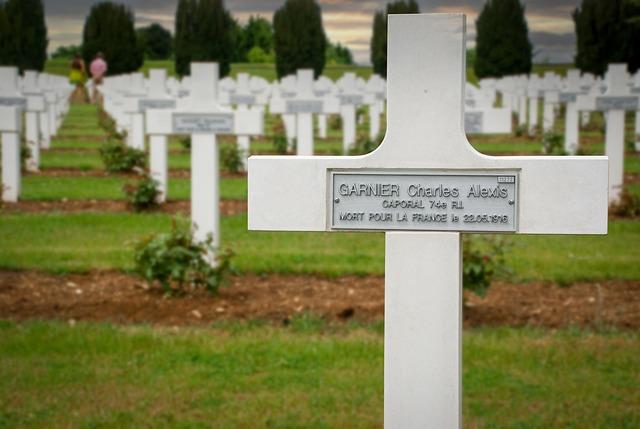
The military relationship between France and Ivory Coast is steeped in a complex history that dates back to the colonial era. Following the colonization of Ivory Coast in the late 19th century,french troops were deployed to maintain control and suppress uprisings within the territory. The withdrawal of colonial forces in the 1960s did not erase the lingering military presence; instead, it transitioned into a partnership aimed at stabilizing the region during times of political turmoil.Notably, the country’s civil conflicts in the early 2000s resulted in France intervening under the banner of peacekeeping, with troops stationed to support stability and protect French nationals. This intervention laid the foundation for a prolonged military presence, symbolizing France’s commitment to its former colony.
Over the years, the rationale for sustaining military bases in Ivory Coast evolved to encompass broader geopolitical concerns, including countering extremism and maintaining influence in West Africa. Protests and rising nationalist sentiments in recent years,though,indicate growing dissatisfaction among Ivorians regarding foreign military presence. The situation escalated into a call for the departure of French troops, reflecting a desire for sovereignty and self-determination. As Ivory Coast grapples with its post-colonial identity, the implications of a French withdrawal carry potential ramifications not only for bilateral relations but also for regional security dynamics.
Reactions from Local Communities and Political Leaders

The announcement regarding the withdrawal of French troops from Ivory Coast has sparked a diverse array of responses from local communities. Many residents expressed a sense of relief, viewing the decision as a step towards greater sovereignty and self-determination for their nation. The sentiment can be summed up with a few key points shared by local leaders and citizens:
- Enhanced national Pride: Citizens are optimistic about regaining control over their security and enforcing a national identity.
- Concerns Over Safety: some fear that the removal of foreign troops could lead to an increase in local conflict, raising questions about internal security.
- Calls for Increased Readiness: Local leaders emphasize the need to bolster the national military in order to ensure stability.
Political leaders reacted with a mix of support and caution. While some celebrated the decision as a demonstration of national independence, others highlighted the potential risks involved. Notably, several figures from the opposition voiced worries about whether Ivorian forces are adequately prepared. Among their comments were:
| political Leader | Statement |
|---|---|
| President Alassane Ouattara | “We will ensure a smooth transition and maintain security.” |
| Opposition Leader Pascal affi N’Guessan | “Readiness of our military is crucial to avoid instability.” |
Future of Bilateral Relations between Ivory Coast and France

the recent announcement regarding the withdrawal of French troops from ivory Coast marks a significant turning point in their diplomatic and military relationship. This decision comes amidst growing calls within Ivory Coast for greater sovereignty and a reevaluation of colonial-era ties. As both countries navigate this transition, the future of their bilateral relations could take various paths, possibly characterized by:
- Economic Collaboration: Exploring new avenues for trade and investment that focus on mutual benefits.
- Security Partnerships: Shifting from military presence to cooperative security initiatives that respect Ivorian autonomy.
- Political Dialog: Engaging in consistent diplomatic talks to address mutual concerns and foster understanding.
As the Ivory Coast reshapes its international relations, it may also seek to diversify partnerships beyond France. This shift could open doors to new alliances and regional collaborations within West Africa. A potential framework for future interactions might be summarized in the following table:
| Area | Potential Developments |
|---|---|
| Trade | increased investments from non-French European countries and African nations. |
| Defense | Joint training exercises with regional powers instead of reliance on foreign troops. |
| Cultural Exchange | Strengthening educational and cultural ties with broader Western African neighbors. |
Recommendations for Strengthening National Defense Capabilities

As nations evolve and redefine their security paradigms, it becomes essential to fortify national defense capabilities in a rapidly changing geopolitical landscape. Ivory coast, with the impending withdrawal of French troops, must embark on a extensive strategy to bolster its military infrastructure and readiness. this could involve expanding domestic defense manufacturing to reduce reliance on foreign military supplies and expertise. Enhancing collaboration with neighboring countries through military alliances can also foster a more stable regional security environment.
To effectively implement these strategies, the government could consider the following initiatives:
- Investment in Technology: Upgrading existing military technology, including surveillance systems and cyber defense measures, to enhance readiness against potential threats.
- training Programs: Establishing rigorous training programs for armed forces to improve competencies in modern warfare techniques and crisis management.
- Civil-Military Coordination: Strengthening partnerships between military forces and civilian agencies to ensure a unified response to national security challenges.
By focusing on these key areas, Ivory Coast can not only enhance its national defense but may also serve as a stabilizing force in the West African region, promoting peace and security amidst uncertainty.
In Retrospect
the decision by the Ivory Coast government to request the withdrawal of French troops marks a pivotal moment in the nation’s relationship with its former colonial power. As the situation unfolds, it underscores the complexities of post-colonial dynamics in West Africa, where national sovereignty and foreign military presence continue to shape political narratives. the move reflects a growing sentiment among various West African countries to assert independence and redefine their security partnerships. As both nations navigate this transition, the implications for regional stability and cooperation will be closely watched by international observers. The future of military collaborations in West Africa could hinge on how both sides manage this significant change, a development that could reverberate across the broader geopolitical landscape.