
Nestled within the rugged Drakensberg mountain range of Southern africa, the Kingdom of Lesotho stands as a testament to resilience and cultural richness. Known as the “Mountain Kingdom,” this landlocked nation,entirely surrounded by South Africa,boasts breathtaking landscapes characterized by soaring peaks,deep valleys,and sweeping plateaus. Lesotho is not only defined by its dramatic geography but also by its vibrant culture, which reflects a unique blend of traditional heritage and modern influences. From the timeless rhythms of Basotho music and dance to the striking artistry of its crafts, the cultural tapestry of Lesotho offers profound insights into the lives and values of its people. Through exploring its historical roots, societal structures, and contemporary challenges, this article delves into the essence of Lesotho, illuminating both its natural beauty and its profound cultural legacy.
exploring the Breathtaking Geography of Lesotho’s Mountain Kingdom
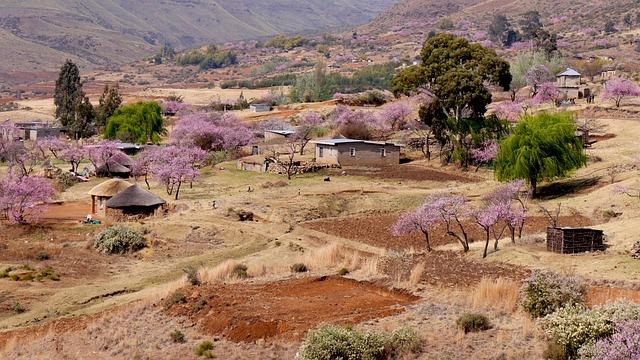
Lesotho, often referred to as the “Mountain kingdom,” boasts a geography that is as diverse as it is stunning. Nestled within the eastern portion of South Africa, this landlocked nation is renowned for its high altitude, with over 80% of the country sitting above 1,800 meters (5,906 feet). The dramatic landscape features rugged mountains, deep valleys, and a rich tapestry of rivers and streams. Visitors can explore spectacular sights such as:
- Maloti Mountains: The backbone of Lesotho,offering breathtaking views and opportunities for hiking and adventure.
- Katse Dam: An engineering marvel surrounded by steep cliffs, vital for hydroelectric power and irrigation.
- Sani Pass: Recognized as one of the highest roads in Africa, connecting Lesotho with South Africa, it offers stunning panoramas.
The weather in this mountainous terrain varies significantly, with cooler temperatures and snowfall in winter, especially at higher elevations.The unique climate supports a rich biodiversity, home to various flora and fauna. additionally, the natural geography plays a crucial role in shaping the culture and lifestyle of the Basotho people, who have adapted to the rugged terrain. For a deeper understanding of the local ecology, one might consider exploring the following:
| key Features | Description |
|---|---|
| Flora | Includes unique species adapted to mountainous climates, like the Lesotho lily. |
| Fauna | Home to the endangered bearded vulture, along with diverse bird species. |
Cultural Richness: The Living Heritage of Lesotho

Lesotho’s cultural richness is a vibrant tapestry woven from its history, traditions, and the indomitable spirit of its people. At the heart of this living heritage are the Basotho, whose customs reflect a profound connection to their land and ancestors. The traditional attire, especially the brightly colored Basotho blankets, serves not only as a form of protection against the cold but also as a powerful symbol of cultural identity and pride. Community gatherings and celebrations like the Maletsunyane Festival showcase local art, music, and dance, revealing the collective memories and stories that bind the basotho together. visitors to Lesotho can immerse themselves in these experiences, witnessing firsthand the oral traditions and folklore passed down through generations.
moreover, the country’s architecture embodies its cultural heritage, from the distinctive thatched huts of the rural highlands to the intricate stone structures found in modern towns. The rich oral tradition is complemented by craftsmanship in pottery, weaving, and beadwork, which are not only functional but also serve as a canvas for storytelling. These skills are often taught in communal workshops, fostering a sense of unity in the younger generation.The following table provides a snapshot of key cultural elements:
| Cultural Element | Importance |
|---|---|
| Basotho Blanket | Symbol of identity and warmth |
| TÅ¡oana Dance | Traditional group dance celebrating community |
| Pottery | Functionality meets artistry,often used in rituals |
| Storytelling | Preservation of history and values through oral tradition |
Traditional Music and Dance: A window into Basotho Identity

The traditional music and dance of the Basotho are not merely performances; they are vivid expressions of a rich cultural identity. Rooted deeply in the fabric of Basotho society, these art forms serve various purposes, ranging from social commentary to religious rituals. Instruments such as the lesiba (a stringed instrument) and drums are commonly used, while the unique vocal styles often feature call-and-response patterns that engage the community. Moreover, dances like the Mokhibo and Matsieng are infused with storytelling and elaborate movements that reflect historical events, daily life, and ancestral reverence.
The role of music and dance in maintaining cultural heritage is profound. Through these art forms, the Basotho convey values, beliefs, and customs. key aspects include:
- Community Bonding: Events revolving around music and dance are often communal, reinforcing social ties.
- Education: Songs and dances are tools for passing down history and traditions to younger generations.
- Cultural Pride: Celebrations featuring traditional music and dance foster a sense of identity among the Basotho.
As the Basotho navigate modern influences, they continue to embrace their musical and dance heritage, ensuring that it remains a vital part of their collective identity.this dynamic blend of tradition and modernity showcases the resilience and richness of their culture.
Adventure Awaits: Outdoor Activities in lesotho’s Scenic Landscapes

lesotho, often dubbed the “Mountain Kingdom,� offers an array of exhilarating outdoor pursuits that take advantage of its breathtaking landscapes. The majestic Maloti Mountains, with their rugged peaks and verdant valleys, serve as the perfect backdrop for activities that range from hiking to pony trekking. Enthusiasts can expect to traverse scenic trails that lead to remote villages and breathtaking viewpoints, immersing themselves in the rich cultural tapestry of the region. Key outdoor experiences include:
- Pony Trekking: Experience the traditional mode of transport in Lesotho while exploring picturesque landscapes.
- Hiking: Discover numerous trails, including the popular Sani Pass trek.
- fishing: Enjoy the tranquility of the many rivers and streams teeming with fish.
- Mountain Biking: Navigate the rugged terrain with thrilling rides across the mountains.
For those seeking a mix of adventure and cultural immersion, Lesotho is a treasure trove of unique activities that showcase its heritage. Visitors can witness traditional Basotho customs and even participate in cultural ceremonies, offering a glimpse into the local way of life. Additionally, birdwatching enthusiasts will find the diverse avian population around the wetlands and highlands particularly rewarding. an overview of recommended activities includes:
| Activity | Best Time | Location |
|---|---|---|
| Pony Trekking | All Year | Katse Dam Region |
| Hiking | Spring & Summer | Maloti Mountains |
| Fishing | Spring & Autumn | Senqu River |
| Birdwatching | Summer | Bokong Nature Reserve |
Culinary Delights: Savoring Lesotho’s Unique Flavors
Lesotho’s culinary scene is a vibrant tapestry woven from its rich cultural heritage and the bounty of its mountainous terrain.At the heart of traditional Lesotho cuisine lies staple foods such as papa (maize porridge) and moroho (leafy greens), which are often accompanied by a variety of meats including rich cuts of beef, chicken, and lamb. A common dish that truly encapsulates the essence of Basotho culture is chocho, a hearty stew made with vegetables and sometimes enriched with corn. Additionally, for the adventurous palate, the specialty dish known as thotho made from pig’s head guarantees a unique experience that some locals swear by.
Lesotho is also renowned for its delightful beverages that complement its culinary offerings. Traditional drinks like maluti beer, crafted from local grains, and lebotlo, a refreshing beverage made from fermented sorghum, provide a refreshing twist to the dining experience. Visitors have the possibility to explore these flavors through various culinary festivals held throughout the year, where local chefs showcase their talent in innovative ways, blending age-old recipes with modern culinary practices. The community-centric atmosphere during these events allows food lovers to connect with the Basotho people, deepening their gratitude for the kingdom’s rich gastronomy.
| Dishes | Ingredients | Flavor Profile |
|---|---|---|
| Papa | Maize, Water | Mild, Nutty |
| Chocho | vegetables, Meat | Rich, Comforting |
| Thotho | Pig’s Head | savory, Unique |
Sustainable Tourism: Tips for Responsible travel in Lesotho

When traveling to the stunning landscapes of Lesotho, embracing sustainable practices not only helps preserve the environment but also enriches your experience. Here are some essential tips to guide your journey:
- Respect Local Communities: Engage with the Basotho people, learn about their culture, and support local artisans by purchasing handmade goods rather of mass-produced souvenirs.
- Choose Eco-Friendly Accommodation: Opt for lodges or homestays that advocate for sustainability, such as those utilizing renewable energy, waste recycling, and organic farming.
- Minimize Waste: carry reusable water bottles and bags, and ensure you dispose of garbage properly to maintain Lesotho’s natural beauty.
- Support Sustainable tours: Seek out operators that prioritize responsible tourism by offering guided treks or cultural experiences that benefit local communities.
- Practice Leave No Trace: Whether hiking in the mountains or exploring villages, adopt leave-no-trace principles to minimize your impact on nature.
Traveling sustainably also involves being mindful of your transportation choices and dietary habits. Consider the following:
| Transportation Option | Environmental Impact |
|---|---|
| Public Transport | Lower carbon footprint |
| walking or Biking | Zero emissions, eco-friendly |
| Carpooling | Reduced travel costs, less pollution |
- Embrace Local Cuisine: Try traditional dishes made with locally sourced ingredients to support farmers and reduce carbon footprints associated with imported goods.
- Offset Your Carbon Footprint: Consider participating in local reforestation initiatives or donating to conservation projects to balance out your travel emissions.
To Conclude
the Kingdom of Lesotho stands as a unique and captivating destination within Southern Africa, celebrated not only for its awe-inspiring mountainous landscapes but also for its rich cultural heritage. As a landlocked nation entirely encircled by South Africa,Lesotho offers a distinctive tapestry of traditions,languages,and communities that reflect the resilience and vibrancy of its people. From the spirited performances of traditional music and dance to the intricate craftsmanship of Basotho artisans, the cultural essence of Lesotho is both diverse and profound.
As global interest in sustainable tourism and authentic cultural experiences grows, Lesotho presents an unparalleled opportunity for travelers seeking to engage with a society that honors its past while embracing the future. Through its scenic vistas, warm hospitality, and dynamic heritage, the Mountain Kingdom invites exploration and connection, ensuring that visitors leave with not only memories but also a deeper appreciation for this remarkable corner of the world. As we move forward, understanding and promoting the significance of Lesotho’s unique identity will be vital in preserving its cultural legacy for generations to come.