Namibia is in mourning as it bids farewell to one of it’s most significant past figures, former President sam nujoma, who passed away at the age of 93.As the founding father of the nation, Nujoma played a pivotal role in Namibia’s quest for independence from colonial rule, leading the country through its formative years as a sovereign state. His legacy,marked by a commitment to democracy,social justice,and national unity,has left an indelible impact on the lives of Namibians today. This article examines the life and contributions of Nujoma, reflecting on his remarkable journey from a young liberation fighter to the presidency, and considering how his vision and leadership continue to shape the nation’s path forward. As Namibia honors this iconic leader, it also grapples with the challenges that lie ahead, seeking to ensure that his ideals remain alive in the collective consciousness of its people.
Legacy of Sam Nujoma in Namibia’s Independence Movement
Sam Nujoma’s role in Namibia’s struggle for independence is an indelible part of the nation’s history, shaping its path towards self-determination. As a politician and a revolutionary leader, he was instrumental in forming the SWAPO (South West Africa People’s Association), which became the driving force behind the liberation movement. His unwavering commitment to the cause galvanized support both within Namibia and across the globe, leading to pivotal international recognition of Namibia’s plight. Key contributions include:
- Founding SWAPO: Nujoma established the party in 1960, creating a unified front for independence.
- International Advocacy: He tirelessly lobbied for international support, helping to highlight the injustices of apartheid.
- Symbol of Resistance: Nujoma became a symbol of hope and resilience for Namibians and all oppressed peoples.
After namibia’s independence in 1990, Nujoma’s legacy continued as he served as the country’s first President, laying the foundation for a democratic state. His policies focused on national reconciliation and economic development, reflecting his vision for a united Namibia. the social advancements achieved during his tenure include:
| Achievement | Impact |
|---|---|
| Land Reform | Addressed historical inequalities in land ownership. |
| Education Initiatives | Increased access to education, promoting literacy and skills development. |
| Healthcare Improvements | Enhanced healthcare services and accessibility for all citizens. |
Reflections on Nujoma’s Impact on Modern Namibian Society
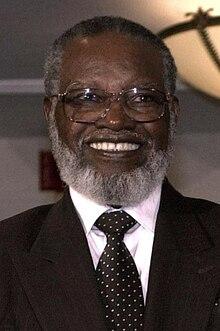
This moment of farewell to Namibia’s founding father brings to the forefront the profound legacy that Sam Nujoma has left on the country’s trajectory.From the passionate struggles for independence to his pivotal role in establishing a multi-party democracy, Nujoma’s vision has shaped modern Namibian society in ways that continue to resonate today. His leadership not only inspired a nation’s resistance against colonial rule but also laid the groundwork for a government committed to social justice and economic development. Key aspects of his influence include:
- Advocacy for National Unity: Nujoma championed the idea of a unified Namibia, encouraging harmony among diverse ethnic groups.
- Emphasis on Education: He prioritized advancements in access to education, believing it to be crucial for national development.
- Promotion of Economic Policies: His economic strategies aimed to uplift the masses, focusing on land redistribution and local entrepreneurship.
As Namibians reflect on Nujoma’s life and contributions, it’s crucial to acknowledge how his ideals continue to guide the nation. His leadership style and principles have fostered a sense of pride among citizens and an active engagement in governance. In schools, universities, and community forums, discussions about democratic values and national identity often trace their roots back to his teachings.Consider the following table highlighting key initiatives introduced during his presidency:
| initiative | Description |
|---|---|
| National Education Policy | Focus on inclusive education accessible to all demographics. |
| Land Reform act | addressing historical land inequities to empower local communities. |
| Health Care Expansion | Advancement of public health sectors to ensure extensive care. |
International Reactions to the Passing of Namibia’s Founding Father
The passing of Sam Nujoma, Namibia’s founding father, has reverberated around the globe, eliciting a chorus of condolences and tributes from international leaders and dignitaries.South African President Cyril Ramaphosa hailed Nujoma as a beacon of hope and liberation, noting his pivotal role in the struggle against colonialism. Similarly, United Nations Secretary-General António Guterres expressed deep sorrow, remarking that Nujoma’s legacy will continue to inspire generations committed to peace and justice. Global expressions of respect include:
- Angela Merkel – Former German Chancellor conveyed her admiration for Nujoma’s commitment to reconciliation after independence.
- Barack Obama – The former U.S. President referred to Nujoma as a transformative leader who shaped Namibia’s identity.
- Paul Kagame – Rwandan president emphasized Nujoma’s role as a mentor to many African leaders in the fight for equality.
as nations reflect on his contributions, many have taken to social media to share memories and messages of gratitude. Numerous African countries have held memorial services, highlighting Nujoma’s extensive influence in the region. A recent table compiled reflects thes international reactions, showcasing the countries honoring his legacy:
| Country | Leader | Message |
|---|---|---|
| South Africa | Cyril Ramaphosa | “A beacon of hope and liberation.” |
| United Nations | António Guterres | “An inspiration for peace and justice.” |
| United States | Barack Obama | “A transformative leader.” |
The Role of Nujoma in Shaping Namibia’s Post-Colonial Identity
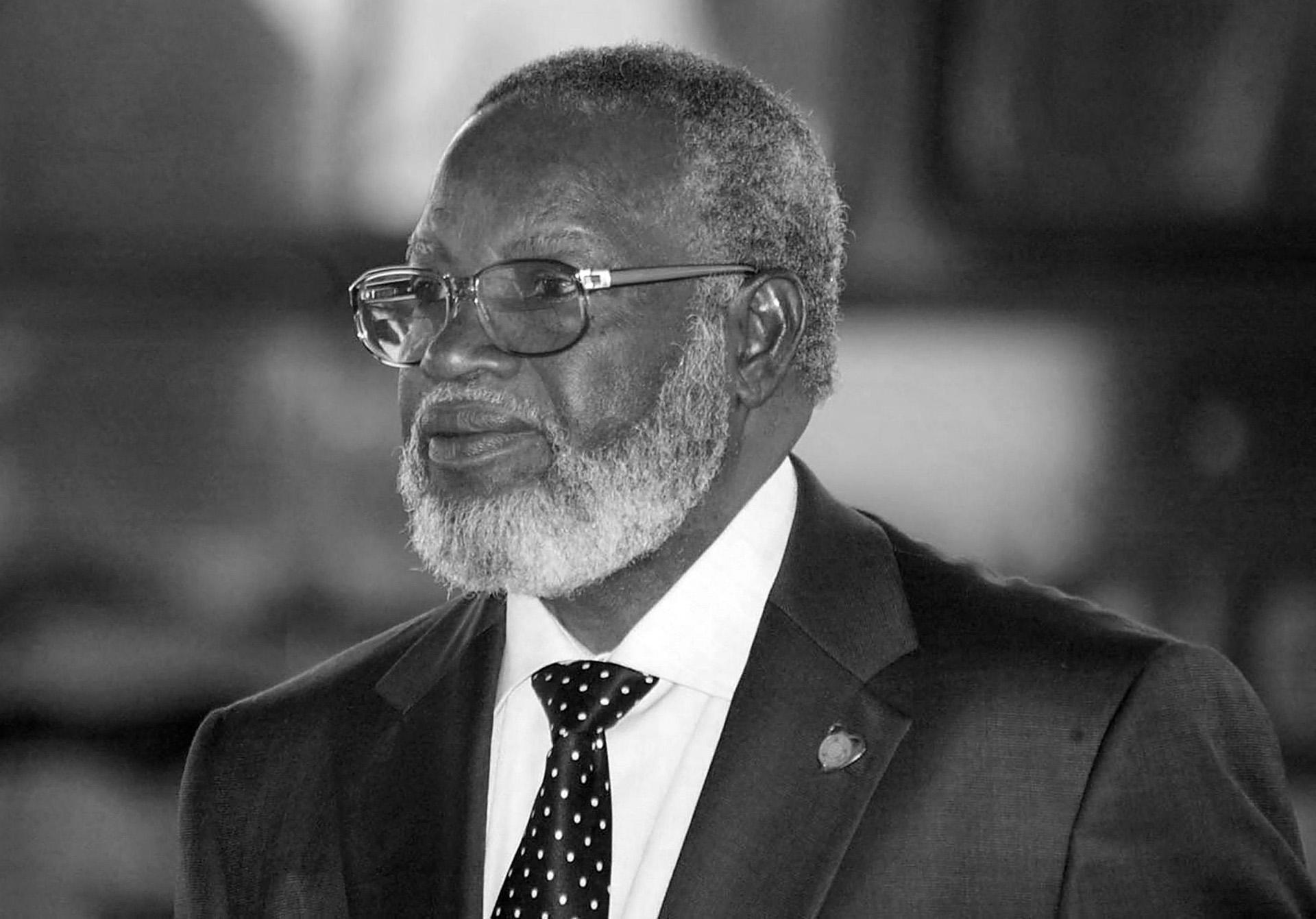
Sam Nujoma, as Namibia’s founding father, played a pivotal role in steering the nation towards a unique post-colonial identity characterized by unity, resilience, and self-determination. his tenure as the first president from 1990 to 2005 was marked by efforts to dismantle the legacies of colonialism and apartheid, emphasizing the importance of national reconciliation and inclusivity. Nujoma’s policies and vision helped cultivate a sense of pride among Namibians,celebrating their diverse cultures while forging a collective national narrative that embraced both the pain of the past and the hope for the future.
Moreover, Nujoma’s commitment to socio-economic development laid the groundwork for modern Namibia. His management prioritized education, land reform, and health as critical components to uplift the marginalized and empower communities.The establishment of various institutions to promote civil rights and social justice demonstrated his intent to create an equitable society. Under his leadership, Namibia’s international profile was elevated, earning respect as a stable democracy in a region often fraught with instability. This legacy persists in the nation’s ongoing journey towards justice and equality, shaping the ways in which Namibians perceive their history, culture, and aspirations.
| Key Contributions | Impact |
|---|---|
| National Reconciliation | Fostered unity among diverse groups, reducing ethnic tensions. |
| Education Initiatives | Increased literacy rates and improved access to education. |
| Land Reform Policies | Addressed historical injustices and promoted equitable land distribution. |
| International Diplomacy | Positioned Namibia as a respected member of the global community. |
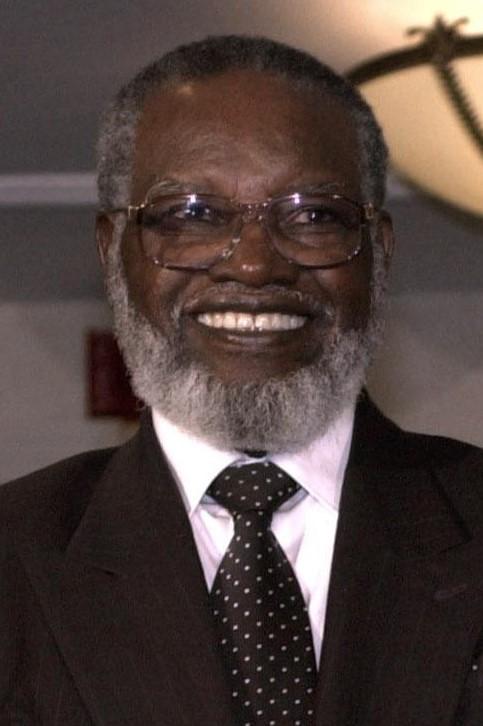
Navigating the Future: Lessons from Nujoma’s Leadership
The legacy of Sam nujoma serves as a profound reminder of the importance of steadfast leadership in navigating a nation through tumultuous times. His journey from freedom fighter to Namibia’s first president showcases the necessity for resilience and vision. Under his guidance, Namibia transitioned from colonial rule to independence, a feat that required not only political acumen but also an unwavering commitment to national unity. Nujoma’s emphasis on reconciliation and inclusivity helped to forge a nation that, while still facing challenges, is built on a foundation of consensus and mutual respect among its diverse populations.
In reflecting on his contributions, several key lessons emerge for current and future leaders:
- Visionary Leadership: The ability to foresee and create a roadmap for a nation’s future is crucial.
- Resilience: Leaders must remain steadfast in the face of difficulties, inspiring their citizens to persevere.
- Inclusivity: Engaging all segments of society fosters trust and strengthens national identity.
As Namibia embarks on the next chapter without its founding father, the principles that guided Nujoma’s leadership will continue to serve as a guiding star. By embracing these lessons, the country can look to the future with both hope and a strategic vision, ensuring that the aspirations of the past are honored in the present and future.
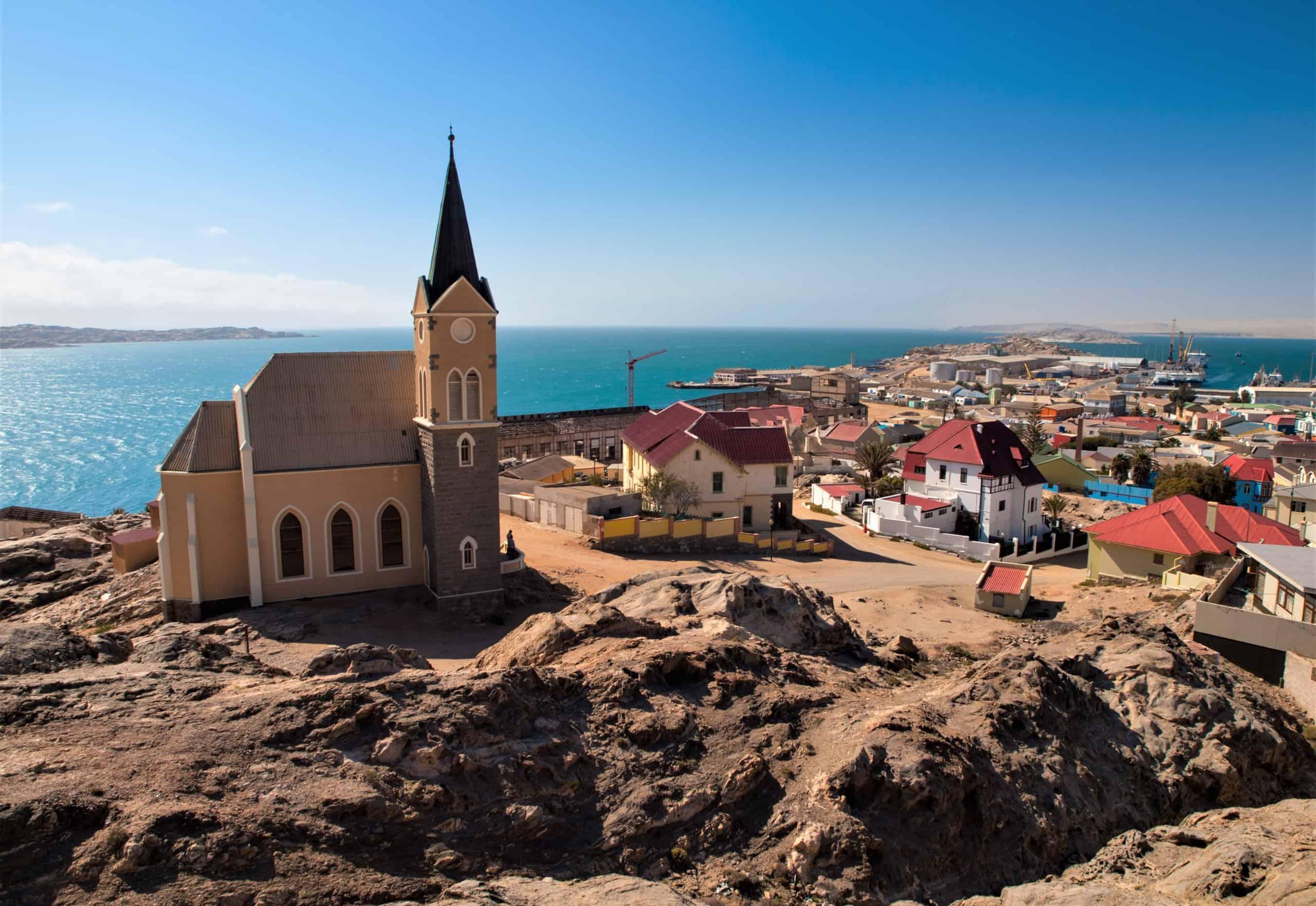
Commemorating a Legacy: How Namibia Can Honor Its founding Father
As Namibia reflects on the monumental legacy of its founding father, Sam Nujoma, the nation faces the important task of honoring his contributions to independence, unity, and nation-building. Celebrations and memorials can be structured around a series of initiatives that not only pay tribute to his vision but also inspire future generations. Public institutions, schools, and community organizations can spearhead events that highlight his achievements and the values he championed, such as:
- Educational Programs: Implementing curriculum enhancements that include comprehensive studies on Namibia’s liberation struggle.
- Memorial Days: Designating specific days for national reflection and remembrance, allowing citizens to share stories and participate in activities.
- Art exhibitions: Showcasing local artists who create works inspired by Nujoma’s legacy, fostering a sense of cultural pride and heritage.
- Community Engagement: Enhancing community service projects that embody the spirit of selflessness and unity that Nujoma promoted.
Additionally, establishing a permanent tribute in the form of a museum or a park dedicated to his life and achievements coudl serve as a central hub for education and remembrance. Such a site could feature:
| Exhibit Type | Description |
|---|---|
| Interactive Displays | Engaging presentations on significant moments in Namibia’s path to independence. |
| Memorabilia Section | Artifacts and documents from the liberation struggle, showcasing personal items belonging to Nujoma. |
| Community Programs | Regular events that encourage dialog on the principles of democracy and nationhood. |
by fostering a culture of remembrance through education and community involvement, Namibia can ensure that Nujoma’s legacy remains alive, continuing to inspire unity and progress in the years to come.
In retrospect
As Namibia bids farewell to its founding father, Sam Nujoma, the nation reflects on a legacy that has shaped its identity and aspirations. Celebrated for his unwavering commitment to the struggle for independence and his role in laying the foundations of a democratic state, nujoma’s impact is felt deeply across the country. his life’s work serves as a reminder of the sacrifices made for freedom and the ongoing journey towards unity and progress. As Namibians gather to honor his memory, they not only pay tribute to a leader who inspired a generation but also reaffirm their commitment to the principles he championed. In his passing, the nation faces a pivotal moment of reflection and resolve, ensuring that the dreams of independence continue to guide their path forward.