The Rise of Baobab Trees in Madagascar: A Natural Marvel in Peril
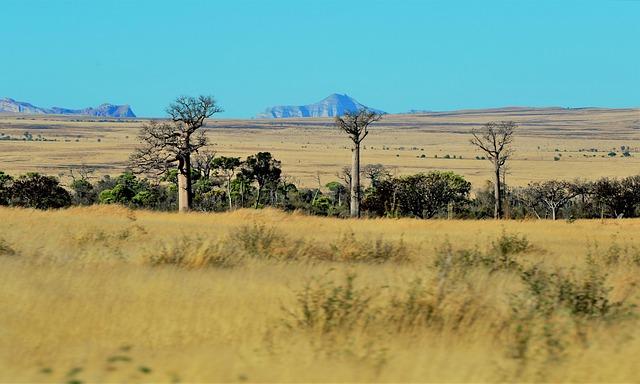
In the heart of the Indian Ocean lies Madagascar, an island nation renowned for its rich biodiversity and endemic species. Among its most iconic symbols is the majestic baobab tree, known locally as “renala,” which translates to “mother of the forest.” With their towering trunks and distinct, inverted branch silhouettes, baobabs have become emblematic of Madagascar’s unique ecosystem and cultural heritage. Though, the recent surge in their numbers has sparked scientific interest and conservation discussions, as these ancient trees face unprecedented challenges from climate change, deforestation, and habitat loss.In this article, we delve into the factors contributing to the rise of baobab trees in Madagascar, examining how these natural giants are not only adapting to shifting environmental conditions but also playing a crucial role in the ecological and social landscape of the island. As we explore the intricacies of their growth and the urgent conservation efforts underway, we highlight the significance of baobabs—not just as botanical anomalies, but as vital pillars of Madagascar’s environment and culture.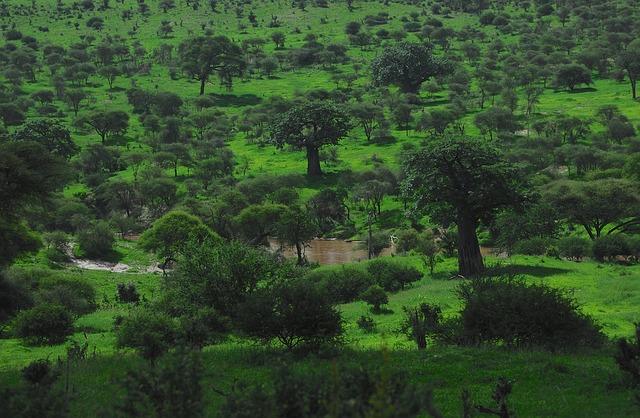

Impact of Climate Change on Baobab Populations in Madagascar
The biodiversity of Madagascar, home to the iconic baobab trees, is increasingly under threat due to the adverse effects of climate change. Rising temperatures and shifting rainfall patterns directly impact the growth and survival of these ancient trees, which are already adapted to specific environmental conditions. As climate change accelerates, baobabs face challenges such as:
- Drought Stress: Increased frequency of droughts can severely hinder baobab germination and growth.
- Soil degradation: Changes in precipitation affect soil quality and moisture levels, further complicating nutrient uptake.
- Habitat Loss: Land-use changes driven by climate-induced shifts threaten the natural habitats of baobabs.
In addition to environmental changes, the intricate relationships that baobabs have with local ecosystems may also be disrupted. Many species rely on these trees for food and shelter, and as their populations decline, a ripple effect may be observed throughout the food web. It’s crucial to understand the ecological significance of baobabs, as highlighted in the following table:
| Aspect | Effects of Climate Change |
|---|---|
| Pollination | Disruption of local fauna can affect pollination rates of baobab flowers. |
| Seed Dispersal | Changing animal behaviors may lead to decreased seed dispersal effectiveness. |
| Carbon Storage | Stress factors can diminish the trees’ capacity to sequester carbon. |
Cultural Significance of Baobab Trees in malagasy Society
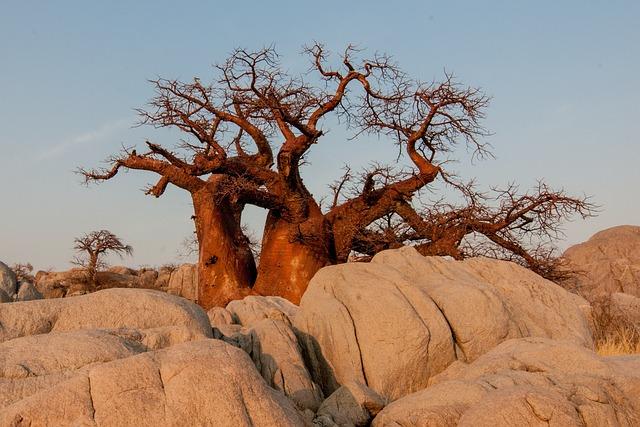
The baobab tree, known locally as “renala,” holds a profound place within the tapestry of Malagasy culture and identity. This iconic tree is not only a striking symbol of Madagascar’s unique biodiversity but also serves as a cultural touchstone for many communities. Its immense trunk, capable of storing vast quantities of water, represents resilience and endurance, attributes deeply valued by the Malagasy people.In various regions, the baobab is frequently enough involved in communal rituals and traditional practices, including rites of passage and ceremonies marking meaningful life events. The tree’s presence encourages a deep connection to the land, as communities gather under its expansive canopy to celebrate, share stories, or seek guidance from their ancestors.
Moreover, the baobab tree is intertwined with local folklore and symbolism.Many tales highlight the struggle of the baobab,which is said to have been uprooted and planted upside down,embodying the notion of humility and perseverance in the face of adversity. The tree is also associated with various medicinal purposes; its fruit,renowned for its nutritional benefits,is often incorporated into traditional Malagasy diets. The significance of the baobab extends to its contribution to local economies through enduring harvesting of its leaves and fruit,showcasing the tree’s role in promoting environmental sustainability while meeting community needs. Thus, the baobab serves not only as a natural monument but as a vital pillar of Malagasy social and cultural life.
Ecological Benefits of Baobabs for Biodiversity conservation
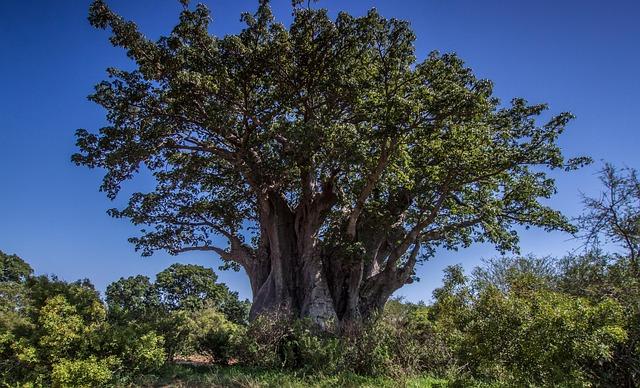
Baobab trees (Adansonia spp.) are vital components of Madagascar’s unique ecosystems,offering ample ecological benefits that support biodiversity conservation. These majestic trees serve as critical habitats for numerous species, providing shelter and food for various animals, including birds, lemurs, and insects. The hollow trunks of baobabs can even host entire microhabitats, making them essential for the survival of numerous organisms. Observably, their large fruit is a nutritional powerhouse, offering an important food source for wildlife, thus creating a complex web of interdependence that enhances the ecological resilience of the region.
Moreover, baobabs play a pivotal role in soil conservation and moisture retention, which are crucial for the health of Madagascar’s ecosystems. Their extensive root systems help to stabilize the soil and prevent erosion, particularly in areas prone to seasonal heavy rains. This not only benefits the baobab itself but also supports a diverse array of plant species that rely on nutrient-rich soil for growth. The conservation of these trees is not merely about preserving a singular species but is an essential strategy for safeguarding the intricate balance of life that thrives in Madagascar’s biomes. The following table summarizes key ecological contributions of baobabs:
| ecological Contribution | Description |
|---|---|
| Habitat Provision | Offers nesting sites and food for diverse fauna |
| Soil Conservation | Prevents erosion and maintains soil fertility |
| Food source | Nutrient-rich fruits support various wildlife species |
| Biodiversity Enhancement | Facilitates a web of ecological interactions |
Sustainable Practices for Baobab Cultivation and Preservation
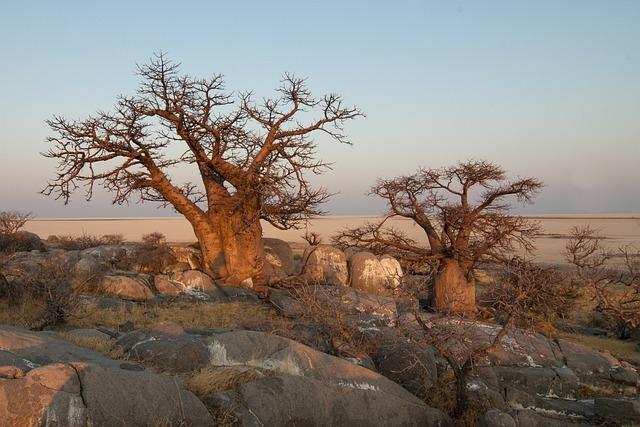
To promote the thriving populations of baobab trees in Madagascar, it is essential to implement sustainable cultivation practices. These practices aim not only to preserve the natural ecosystem but also to enhance the tree’s long-term viability and utility for local communities. Some key strategies include:
- Agroforestry integration: Combining baobab cultivation with other crops can create diverse ecosystems that provide shelter and enhance soil quality.
- Water Management: Efficient irrigation techniques, such as drip systems, can optimize water use, particularly in drought-prone areas.
- Community Involvement: Engaging local populations in the cultivation process can foster knowledge sharing and ensure sustainable practices are upheld.
In addition, the role of preservation techniques cannot be underestimated in safeguarding Madagascar’s unique baobab species. Initiatives aimed at conserving existing trees alongside cultivation efforts are pivotal. Key preservation strategies include:
- Legal Protection: Enforcing regulations to prevent logging and habitat destruction of natural baobab habitats.
- Research and Education: Facilitating educational programs that inform locals about the ecological and economic importance of baobabs.
- Seed Bank Programs: establishing facilities for the conservation of baobab seeds can ensure genetic diversity and resilience against climate change.
Innovative Uses of Baobab Products in Local and Global Markets
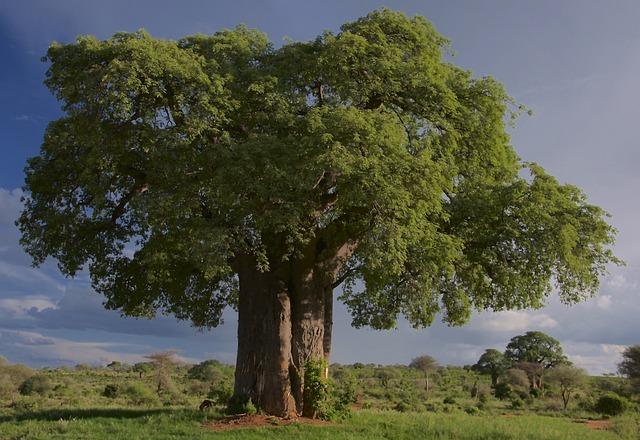
the versatility of baobab products is unlocking new avenues for both local and global markets.In Madagascar, communities are harnessing the nutritious potential of baobab fruit, which boasts a high vitamin C content and distinct tangy flavor. This fruit has transcended traditional uses, finding its way into various innovative culinary applications, such as:
- Health Supplements: Baobab powder is being marketed as a superfood rich in antioxidants.
- Beverages: unique baobab-infused drinks are gaining popularity, appealing to health-conscious consumers.
- Cosmetics: The oil extracted from baobab seeds is increasingly used in skincare products, benefiting from its moisturizing properties.
Moreover, the international market is responding enthusiastically to the sustainable practices associated with baobab harvesting. Ethical sourcing ensures that local communities profit from this lucrative trade while promoting biodiversity. Baobab has found its place in a variety of sectors, reflected in the following table:
| Sector | Product type | Global Demand |
|---|---|---|
| Nutraceuticals | Baobab Powder | Rapidly increasing |
| Beverage Industry | Baobab Juice | Growing market share |
| Cosmetic Industry | Baobab Oil | Consistent rise |
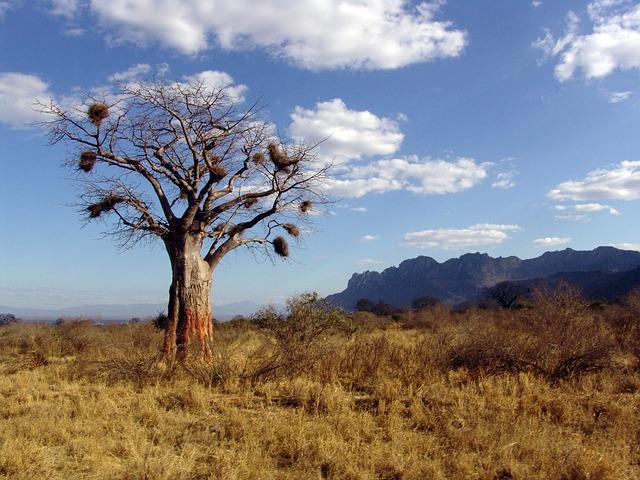
Future challenges and Conservation Strategies for Baobab Trees in Madagascar
The baobab trees in Madagascar face a multitude of challenges that threaten their survival and the critical ecosystems thay support. Deforestation is among the most pressing issues, primarily driven by agricultural expansion, logging, and urban advancement. As Madagascar continues to experience high population growth, the demand for land has escalated, leading to the mass clearing of forests. Additionally, climate change poses a significant risk, affecting rainfall patterns and increasing the frequency of droughts, which can severely impact the health of these iconic trees. Other challenges include the spread of pests and diseases, which can devastate local flora and further compromise the resilience of the baobabs.
To combat these challenges, strategic conservation measures must be implemented to safeguard Madagascar’s baobab trees. Community involvement is essential; engaging local populations in conservation efforts can foster a sense of ownership and responsibility. Education programs focused on the importance of baobabs and their ecosystems can help mobilize communities towards sustainable practices. Moreover, promoting reforestation initiatives will not only facilitate the regrowth of eliminated species but also contribute to biodiversity conservation. Enhanced research collaborations between local and international scientists can lead to better understanding and management of baobab populations, ensuring their preservation for future generations.
| Challenges | Conservation Strategies |
|---|---|
| Deforestation | Community-led reforestation programs |
| climate Change | Climate resilience education |
| Pests and Diseases | Research collaborations |
| Urban Development | Land use planning with conservation in mind |
In Conclusion
the rise of baobab trees in Madagascar serves as a captivating example of the intricate relationship between ecology and climate adaptation. These iconic giants, with their unique morphology and remarkable resilience, not only symbolize the island’s rich biodiversity but also reflect the environmental challenges it faces. As Madagascar grapples with deforestation, climate change, and habitat loss, the survival and proliferation of baobab trees offer crucial insights into the importance of sustainable practices and conservation efforts. By understanding and preserving these natural wonders, we can foster a deeper appreciation for Madagascar’s ecological heritage while highlighting the need for global environmental stewardship. As we look to the future, the story of the baobab reminds us that nature’s resilience can inspire hope and action in our collective fight against environmental degradation.