
In September 2024, state officials in Somalia intensified efforts to dismantle the proliferation of clan militia checkpoints that have become a pervasive feature across the landscape.These unauthorized stop points, often manned by armed groups asserting local authority, have contributed to a climate of insecurity and instability, obstructing the movement of goods and people and undermining the rule of law. The move to crack down on these checkpoints marks a significant step in the Somali government’s ongoing struggle against clan-based militias that operate outside of state control. As the country grapples with challenges related to governance and security, the actions taken by state officials signal a commitment to restore order and assert governmental authority in regions where clan loyalties frequently supersede allegiance to state institutions. This article examines the implications of this crackdown on both local communities and the broader efforts to establish a unified Somali state, drawing on insights from the latest data published by the Armed Conflict Location & Event Data Project (ACLED).

State Efforts to dismantle Clan Militia Checkpoints in Somalia
In a significant strategic move, state authorities in Somalia have launched a thorough initiative to dismantle unregulated clan militia checkpoints that have proliferated across the country. These checkpoints, often established by various clan groups, have not onyl hindered the movement of goods and civilians but have also perpetuated unrest and instability in the region. Officials have highlighted the need to restore governmental control and ensure safer passage for citizens, emphasizing that the checkpoints contribute to extortion and violence. The coordinated crackdown follows several public outcries, urging the government to take decisive action against these unlawful operations.
The campaign aims to achieve several critical objectives:
- Enhancing security: Reducing the risk faced by travelers and local businesses.
- Re-establishing authority: Reinforcing the government’s role in maintaining law and order.
- Facilitating trade: Allowing for smoother logistics and economic activities within the region.
Additionally, the state has deployed task forces to key areas known for heavy checkpoint presence, successfully dismantling several illegal posts. Reports indicate that this action has already led to a decrease in roadside violence and has encouraged displaced populations to return home, signaling a step towards normalcy and stability in the country. Local officials continue to monitor the situation closely,providing updates on progress and challenges in these efforts.
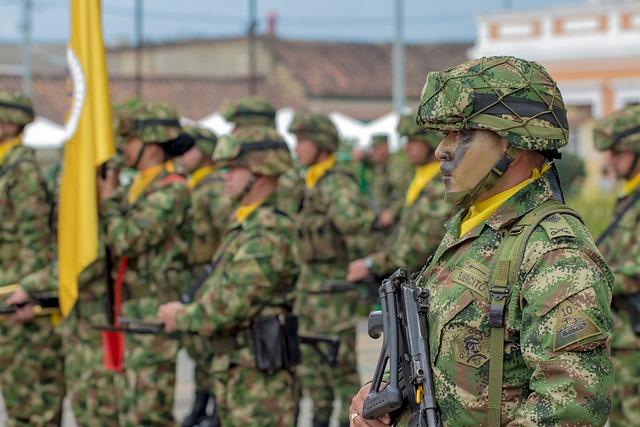
Impact of Militia Checkpoints on Local Communities and Trade
The proliferation of militia checkpoints throughout Somalia has profoundly affected local communities, both socially and economically. These barriers, often established under the guise of security, have led to a disruption of daily life, where citizens confront delays and harassment while attempting to move freely. the imposition of unofficial fees at these checkpoints further exacerbates economic strain, as traders must contend with unexpected costs that directly impact pricing and availability of goods. In regions heavily patrolled by armed groups, residents often express a sense of helplessness and uncertainty, which can discourage investment and hinder community development initiatives.
Moreover, the increased presence of militia checkpoints considerably hampers trade routes, creating disparities in access to essential commodities. Areas that are subject to frequent militia control experience diminished market activity, where locals struggle to transport goods to and from affected regions. Key impacts include:
- Inflation of Prices: Increased costs of transportation lead merchants to raise prices on essential goods.
- Supply Chain Disruptions: Trade between regions becomes erratic, making it challenging to maintain healthy stock levels.
- Reduction in Economic Opportunities: Small businesses are notably vulnerable,often leading to closures and loss of employment.
The cumulative effect of these checkpoints is a deteriorating economic landscape that undercuts the resilience of local communities, challenging efforts for recovery and stability in a nation already grappling with persistent conflict.

Challenges Faced by State Officials in Enforcing Law and Order
The enforcement of law and order in Somalia presents multifaceted challenges for state officials, particularly in contexts dominated by clan loyalties. One of the primary obstacles is the existence of clan militia checkpoints,which often operate with impunity alongside official state forces. This dual structure of authority complicates the ability of government officials to assert control, as these militias frequently resist attempts to dismantle or regulate their operations. Additionally, corruption within local power structures undermines efforts to enforce laws, as some officials may collude with militia leaders for personal gains, further entrenching the lawlessness that plagues various regions.
In response to these challenges, state officials have been compelled to adopt a strategic approach towards law enforcement. This includes:
- Engaging with community leaders to foster cooperation and understanding
- Implementing targeted operations to dismantle militia strongholds
- Enhancing logistical support to state security forces to improve response times and effectiveness
Despite these measures, the fear of retaliation from well-armed militias continues to deter local populations and officials alike, complicating efforts to establish lasting peace and order. The intricate interplay of social dynamics, armed resistance, and governance issues necessitates a multifaceted approach that addresses both security and the underlying grievances of the affected communities.

Recommendations for Strengthening Security and Governance in Somalia
To enhance security and promote effective governance in Somalia, a multifaceted approach is essential. Fostering collaboration between state officials and local communities is crucial for dismantling unauthorized militia checkpoints that exacerbate tensions. Engaging with community leaders can foster trust and alleviate fears,allowing for a more integrated security framework. Key strategies should include:
- strengthening rule of law: Establishing clear legal frameworks to regulate security forces and militias.
- Community policing initiatives: Empowering local while providing accountability mechanisms for their actions.
- Capacity building: Investing in training programs for law enforcement to handle conflicts without resorting to violence.
Furthermore, it is vital to improve governance structures to ensure transparency and accountability within state institutions. This can mitigate corruption and empower citizens to actively participate in decision-making processes that affect their security. Essential measures include:
- Establishing oversight bodies: Creating independent institutions to monitor the activities of security personnel.
- Promoting civic engagement: Encouraging public forums and discussions to solicit community input on security policies.
- Leveraging technology: Utilizing data analytics to identify trends and deploy resources effectively in conflict-prone areas.

Long-term Solutions for Rebuilding Trust Between Communities and Authorities
Rebuilding trust between communities and authorities demands a multifaceted approach that prioritizes engagement, accountability, and transparency. As state officials intensify efforts to dismantle clan militia checkpoints in Somalia, they must not only focus on enforcement but also on fostering deeper connections with local populations. Key strategies may include:
- Community Dialogues: Facilitate regular town hall meetings that allow community members to voice their concerns and interact with government representatives.
- Collaborative Initiatives: Engage communities in joint safety and development programs that are designed to address local issues, such as crime prevention and economic development.
- transparent dialog: Create clear channels of communication where authorities can provide updates on security measures and solicit community feedback.
Furthermore, it is essential for authorities to hold themselves accountable through the establishment of independent oversight mechanisms. This could include :
| Oversight Mechanism | Description |
|---|---|
| Independent Audit Committees | Regularly review the actions and resources of local law enforcement agencies. |
| Community Advisory Boards | Include representatives from various community sectors to provide input on law enforcement practices. |
| Feedback Hotlines | Anonymous channels for reporting misconduct or lack of response from authorities. |
By implementing these strategies, authorities can move beyond mere compliance and work towards establishing a robust framework of trust with the communities they serve. This renewed commitment to partnership will not only enhance public safety but also restore faith in the governance structures of somalia.

The Role of International Support in Somalia’s Security Reforms
The ongoing security reforms in Somalia have received significant backing from international partners, which has become crucial in shaping effective governance and establishing stability. The support ranges from financial aid and military training to strategic advice on law enforcement and civil management. Such assistance is vital in areas where clan militias have historically exerted control, undermining the state’s authority by enforcing their own security measures. An internal review highlights the importance of collaboration between Somali authorities and international entities in transforming militia-dominated regions into safe zones for citizens.
with multinational forces and organizations actively involved, Somali state officials are increasingly empowered to dismantle unauthorized checkpoints operated by clan militias. International donors have aided in the development of a comprehensive security framework that includes:
- Capacity building for police and military
- Community engagement initiatives
- Intelligence sharing to combat extremism
This initiative aims to reassert government control and restore public trust in state institutions, particularly in rural areas previously plagued by insecurity. Moreover, it fosters a more cohesive approach in addressing the root causes of conflict, while ensuring the necessary resources and expertise are made available to facilitate lasting peace in Somalia.
The Conclusion
the recent crackdown on clan militia checkpoints by state officials in Somalia marks a significant step toward restoring order and enhancing security in a region historically plagued by factionalism and violence. As reported by ACLED, this initiative reflects an increasing recognition of the need for governance that prioritizes stability and the rule of law over entrenched clan rivalries. While challenges remain, including resistance from militia groups and the potential for backlash, the Somali government’s actions could pave the way for a more unified approach to security and governance. Stakeholders, both domestic and international, will be closely monitoring the developments in this volatile region, as the effectiveness of these measures could have far-reaching implications for peace and development in Somalia. The journey toward a more peaceful future is undoubtedly fraught with difficulties, yet the commitment to dismantling unchecked militia power is an encouraging sign of progress in a country seeking to rebuild itself after decades of turmoil.