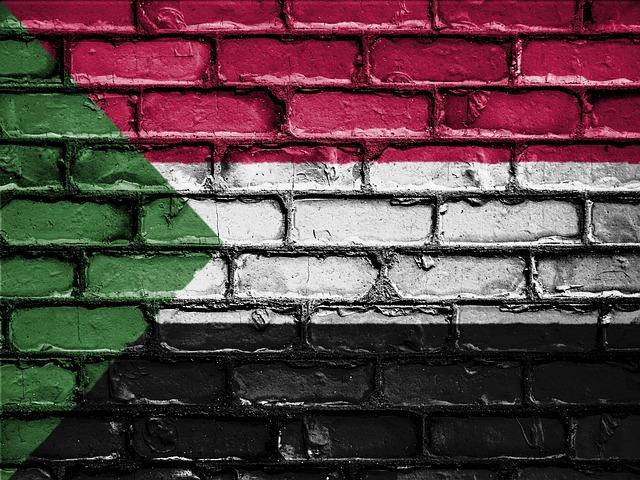
As Sudan’s brutal conflict stretches into a second year, the humanitarian crisis continues to escalate, forcing hundreds to flee south each day in search of safety and stability. The United Nations High Commissioner for Refugees (UNHCR) has reported alarming trends in displacement, with many civilians escaping the violence that has ravaged their homes and communities. This article delves into the dire circumstances driving this mass exodus,the challenges faced by those seeking refuge,and the responses from neighboring countries and international organizations. With millions of lives at stake, the situation requires urgent attention and action from the global community as the ripple effects of sudan’s turmoil extend far beyond its borders.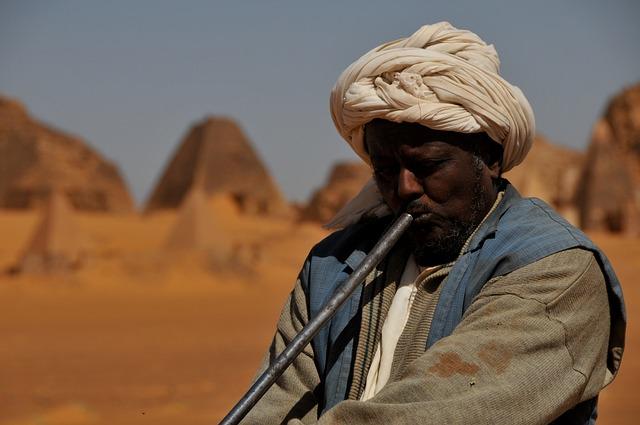
Sudan’s Escalating Conflict: A Year of Displacement and Humanitarian Crisis
As the violence in Sudan continues unabated, the humanitarian situation is deteriorating at an alarming rate. The UNHCR reports that thousands are fleeing southward daily, seeking safety from ongoing clashes and a lack of basic necessities. The influx of refugees is overwhelming bordering regions, where resources are already scarce.Families are forced to leave everything behind, embarking on perilous journeys in search of stability and security.
Displacement has become a stark reality for many, with harsh conditions complicating the survival of those who manage to escape violence. The key issues facing displaced individuals include:
- Lack of basic necessities: Food, clean water, and medical assistance are critically short.
- Inadequate shelter: Many find themselves in overcrowded camps with insufficient protection from the elements.
- Health crises: Immediate healthcare is needed to tackle malnutrition and communicable diseases.
The international community is urged to respond urgently,as millions are affected by this escalating crisis. A coordinated effort is essential to provide humanitarian aid and support to both those displaced and their host communities.
Daily Exodus: The Growing Numbers of Refugees Heading to Southern Sudan
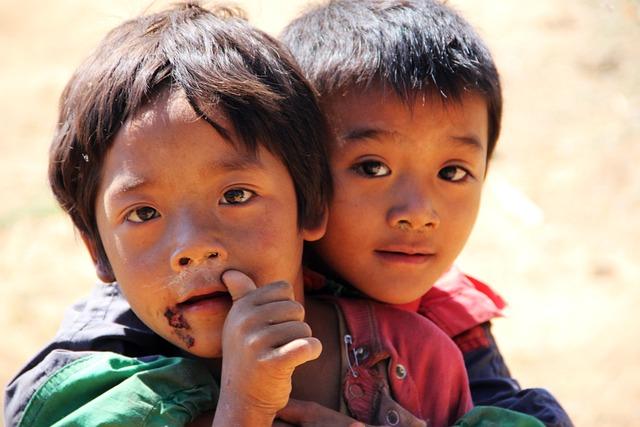
as the conflict ravages Sudan, the flow of families and individuals seeking safety in Southern Sudan has escalated dramatically. Reports from the UNHCR indicate that over 500 refugees are crossing the border daily, a stark illustration of the urgent humanitarian crisis unfolding in the region. The migrants are primarily fleeing violence,food scarcity,and the collapse of basic services,forced to abandon their homes and livelihoods. Many carry little more than their children and the clothes on their backs, underscoring the desperation of their flight.
The refugee influx has overwhelmed local communities and humanitarian organizations, which are working tirelessly to provide essential aid. Key challenges include:
- Inadequate Shelter: Temporary accommodations are struggling to meet the rising demand.
- Healthcare Access: Medical facilities are overstretched, with many refugees suffering from malnutrition and lack of medical care.
- Food Security: With the influx, there is a pressing need for food supplies to sustain both refugees and host communities.
According to recent data:
| Statistic | Current Situation |
|---|---|
| Daily Refugees Arriving | 500+ |
| Estimated total Refugees in Southern Sudan | 200,000+ |
| Percentage of Women and Children | 80% |
This growing crisis demands immediate international attention and a coordinated response to provide the necessary support for those fleeing conflict and seeking a semblance of safety in Southern Sudan.
The Role of the UNHCR: Challenges and responses in Supporting Displaced Populations
The ongoing conflict in Sudan has escalated humanitarian challenges, compelling the UNHCR to amplify its support for the increasing numbers of people seeking refuge. Daily, hundreds flee towards southern regions, straining local resources and services. The UNHCR faces multifaceted obstacles that hinder its mission to protect and assist displaced individuals, such as host country limitations, logistical issues, and funding shortages. Despite these challenges, the institution is committed to providing essential services to those affected. Key areas of focus include:
- Emergency Shelter: Establishing temporary housing solutions to protect vulnerable populations.
- Healthcare Access: Ensuring that displaced individuals receive critical medical attention amidst the chaos.
- psychosocial Support: Offering mental health resources to help communities cope with trauma.
In response to these dire conditions, the UNHCR has developed strategic initiatives aimed at bolstering the resilience of affected communities. Collaboration with local governments and NGOs is basic in addressing immediate needs while planning for long-term stability. By adapting approaches, the UNHCR is:
| Strategy | Description |
|---|---|
| Community Engagement | Involving local populations in decisions affecting their livelihoods and safety. |
| Innovative Funding | Exploring diverse funding sources to sustain ongoing operations and programs. |
| Capacity Building | Enhancing local capacities to improve crisis response and foster resilience. |

Urgent Humanitarian Needs: Addressing Health, Food security, and Shelter
The ongoing conflict in Sudan has created dire circumstances, with many families fleeing from violence and instability. As humanitarian needs grow, the situation has escalated into a crisis marked by severe deficiencies in health services, food security, and adequate shelter. Poor sanitation and limited access to healthcare facilities are exacerbating health issues among displaced populations.The collapse of essential services has led to an uptick in preventable diseases, putting vulnerable groups at risk. Assistive interventions are urgently required to mitigate these health threats, including:
- Mobile health clinics to reach remote populations
- vaccination campaigns to address outbreaks
- Nutrition programs to combat malnutrition
Food security continues to deteriorate as markets become inaccessible and prices soar beyond reach for many families. As supplies dwindle and humanitarian access is restricted, the risk of famine looms large. The need for reliable sources of food aid has never been more pressing, with organizations scrambling to establish food distribution networks to ensure survival. In response, efforts should focus on:
- Emergency food relief operations
- Support for local agriculture to rebuild communities
- Nutritional education to optimize limited resources
Moreover, shelter remains a critical concern amid the ongoing displacement crisis. Thousands are living in makeshift conditions, lacking basic necessities for safety and protection. Addressing this issue requires a multipronged approach, utilizing both immediate and long-term strategies:
| Priority Actions | Targets |
|---|---|
| Temporary shelter solutions | Provide safe spaces for displaced families |
| Rehabilitation of existing shelter | Enhance living conditions for vulnerable groups |
| Community-based housing initiatives | Involve local communities in rebuilding efforts |
immediate action is necessary to address these intertwined humanitarian crises in sudan, as health, food security, and shelter are foundational to restoring dignity and stability for those affected by ongoing conflict.

Regional Implications: How Sudan’s Conflict Affects neighboring Countries
The ongoing conflict in Sudan is creating serious ramifications for its neighboring countries,triggering a wave of humanitarian crises that ripple far beyond its borders. With thousands fleeing daily, nations like South Sudan, Chad, and the Central African Republic are now facing an influx of refugees, which overwhelms their already limited resources.These countries are grappling with the dual challenge of providing shelter and aid while together dealing with heightened tensions that arise from rapid demographic changes. The situation has made the region increasingly unstable, with potential for violent clashes over resources like water and arable land. The consequences of Sudan’s turmoil could thus not only exacerbate existing conflicts but also initiate new ones in these vulnerable areas.
the international community must address this escalating crisis,focusing on collaborative efforts to support both Sudan and its neighbors. Key actions include:
- Strengthening border control: Countries need to enhance their border security to manage the influx of refugees effectively.
- Humanitarian assistance: Increased funding and aid are crucial to support refugee camps and basic services.
- Diplomatic interventions: Engaging in dialog with Sudanese factions to foster peace and stability.
A concerted, strategic approach is essential to mitigate the regional impact of Sudan’s conflict and to ensure peace and stability in the wider area.

Recommendations for Action: Strengthening International Support and Resettlement Initiatives
As the crisis in Sudan continues to escalate, it is imperative that the international community rallies to provide increased support for those affected. This includes enhancing diplomatic efforts to facilitate peace talks that address the root causes of the conflict. In addition, it is indeed essential to strengthen humanitarian corridors, ensuring safe passage for individuals fleeing violence. The following actions are crucial:
- Increase Funding: Allocate more resources to humanitarian organizations operating in the region.
- Expand Resettlement Programs: Create more pathways for refugees to find safety in third countries.
- Support Local Hosting Communities: Provide aid and resources to nations that are bearing the burden of hosting large numbers of refugees.
Moreover, collaboration among nations can enhance the effectiveness of these initiatives. Countries must work together to establish a thorough response mechanism that includes both immediate assistance and long-term development plans for resettled populations. A focus on education, employment, and integration can empower displaced individuals and help rebuild their lives. The following table outlines potential areas for cooperation:
| Area of Cooperation | Action Steps |
|---|---|
| Resource Sharing | Pooling financial and material resources to assist refugees. |
| Capacity Building | Training programs for host countries in refugee management. |
| Legal Frameworks | Harmonizing laws to protect the rights of refugees. |
future Outlook
As the conflict in Sudan marks its second year, the humanitarian crisis continues to escalate, forcing hundreds to seek refuge in neighboring countries daily. The UNHCR highlights the dire situation, underscoring the urgent need for international support and intervention.With each passing day, the impact of the violence reverberates beyond borders, as communities grapple with the challenges of accommodating new arrivals. The crisis not only underscores the resilience of those fleeing danger but also emphasizes the responsibility of the global community to respond with compassion and action. As we move forward, it remains critical to monitor the evolving situation in Sudan, advocate for peace, and ensure that the voices of those affected are heard. The path to stability might potentially be long, but it is indeed essential for the future of the region and the safety of its people.