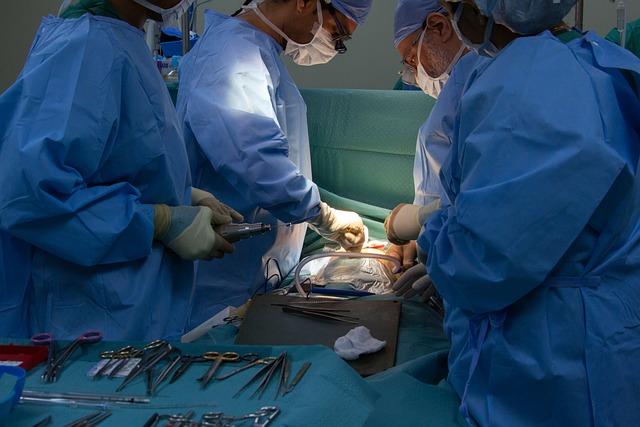
Surgeons in Sierra Leone Embrace ACS During Recent Conference,Humanitarian Mission
in a meaningful stride towards enhancing surgical care and medical training in Sierra Leone,local surgeons attended a landmark conference hosted by the American College of Surgeons (ACS) that combined professional advancement with a humanitarian mission. This event not only provided a platform for knowledge exchange but also fostered international collaboration aimed at improving healthcare outcomes in a country still recovering from the devastating impacts of civil conflict and the Ebola outbreak. With a focus on surgical best practices and innovations in patient care, the conference brought together health professionals eager to advance their skills and implement sustainable practices that will benefit both their communities and the broader healthcare landscape. As Sierra Leone faces ongoing challenges in its medical infrastructure, the commitment of both local surgeons and the ACS underscores a hopeful narrative of resilience and progress in the region’s surgical capabilities.
Surgeons Unite at the Recent ACS Conference to Address Critical Health Challenges in Sierra Leone
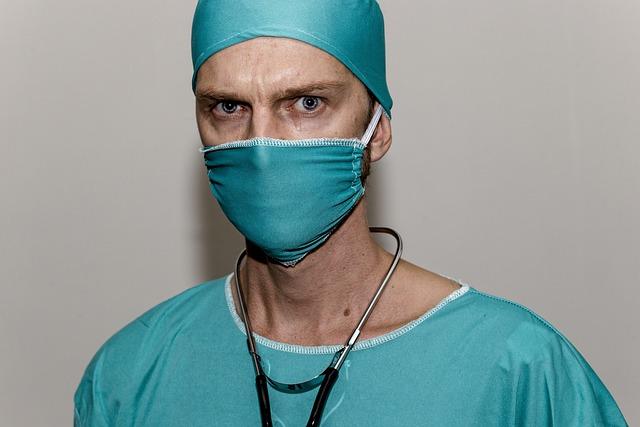

The recent gathering of surgeons in Sierra Leone served as a crucial platform for addressing some of the most pressing health challenges facing the nation. Health professionals from across the globe joined forces to explore innovative solutions and share strategies aimed at improving surgical care. The conference facilitated engaging discussions on topics including:
- Community Health Initiatives: Tackling prevalent diseases through localized awareness campaigns.
- Capacity Building: Training programs for local healthcare providers to enhance surgical practices.
- Access to Resources: Ensuring that surgical facilities have the necessary tools and supplies for effective patient care.
Participants highlighted the importance of collaboration among healthcare professionals to foster sustainable improvements in surgical outcomes. Through a series of workshops and panel discussions, attendees outlined actionable steps for the future, including:
| Focus Area | Goals |
|---|---|
| Research and Development | Innovative technology to support surgical interventions. |
| Patient Safety Protocols | Establishing standardized practices to improve surgical safety. |
| Global Partnerships | Collaborating with international organizations for better resource allocation. |
Advancements in Surgical Techniques: Insights from ACS Experts for Local Practitioners

During the recent conference held in Sierra Leone, several distinguished experts from the American College of Surgeons (ACS) shared groundbreaking insights on the latest advancements in surgical techniques tailored specifically for local practitioners. Among the key highlights were discussions on minimally invasive surgery, which offers substantial benefits in terms of patient recovery time and reduced complications. Surgeons learned about innovative approaches such as:
- Laparoscopic Techniques: These involve smaller incisions and less pain,leading to quicker recovery.
- Robotic-Assisted Surgery: This cutting-edge technology allows for greater precision and control during complex procedures.
- Enhanced recovery After Surgery (ERAS): Protocols designed to optimize post-operative care, thereby speeding up recovery.
The conference also provided an opportunity to collaborate in real-time, allowing local surgeons to discuss their unique challenges and gain actionable strategies from ACS experts. A notable feature was the focus on surgical education, emphasizing the importance of continual professional development. The following table summarizes critical topics covered and their relevance to local surgical practice:
| Topic | Relevance |
|---|---|
| Minimally Invasive Techniques | Improves recovery outcomes and reduces hospital stay. |
| Patient Safety Protocols | Enhances surgical outcomes and reduces complications. |
| Continuing Surgical Education | Ensures practitioners remain updated with evolving best practices. |
The Role of Humanitarian missions in strengthening Healthcare Infrastructure

The recent humanitarian mission in Sierra Leone,organized by the American College of Surgeons (ACS),underscored the significant impact such initiatives have on enhancing healthcare infrastructure in under-resourced regions. By bringing together skilled surgeons, medical professionals, and healthcare advocates, these missions create opportunities for knowledge exchange and foster leadership among local practitioners. The conference provided a platform for discussing innovative surgical techniques, modern healthcare practices, and the integration of basic surgical care into existing healthcare frameworks, ultimately empowering local healthcare workers to better serve their communities.
moreover, the support provided through humanitarian missions often includes not just training, but also tangible improvements to healthcare facilities. Participants in the ACS mission focused on several key areas:
- Capacity Building: Training local surgeons in advanced procedures, which enhances their skills and capabilities.
- Resource Allocation: Assisting hospitals with the procurement of essential surgical supplies and equipment.
- Community Engagement: Involving local communities in health education initiatives to raise awareness and promote preventive care.
The collaboration between the ACS and local healthcare systems illustrates the vital role of humanitarian efforts in laying the groundwork for a more robust healthcare infrastructure. Through ongoing support and the establishment of sustainable practices, such missions contribute to creating a self-sufficient healthcare environment that can adapt to future challenges and better serve the populations in need.
Building Capacity: Training Initiatives for Surgical Teams in Resource-Limited Settings

The recent conference and humanitarian mission by the American College of Surgeons (ACS) marked a pivotal moment in enhancing surgical practice in Sierra Leone. By adopting a framework focused on practical training and collaborative learning, surgeons engaged in various workshops that emphasized skills development and problem-solving in challenging environments. Participants were exposed to innovative surgical techniques tailored to resource-limited settings, fostering a culture of continuous betterment. As a result, attendees returned to their communities equipped with valuable knowledge and refreshed enthusiasm for performing surgeries that address local health needs.
To further solidify these training initiatives, the ACS incorporated a multifaceted approach that included:
- Hands-On Workshops: Interactive sessions were surgeons practiced new techniques
- Mentorship Programs: Pairing local surgeons with ACS faculty for ongoing support
- Resource Accessibility: Providing essential surgical tools and supplies
- Community Engagement: Involving local healthcare practitioners to encourage knowledge sharing
The success of these efforts was documented in a series of workshops where participants developed tailored action plans. Below is a summary table highlighting the key initiatives and their anticipated outcomes:
| Initiative | Expected Outcome |
|---|---|
| Skills Workshops | Improved surgical techniques |
| Mentorship | Strengthened surgical community |
| Supply Distribution | Increased surgical capacity |
| Outreach Programs | Enhanced health education |
Promoting Collaborative Networks: The Importance of Partnerships for Sustainable Healthcare Solutions

In the realm of healthcare, the convergence of expertise, resources, and outreach initiatives is critical. Partnerships between local healthcare providers and international organizations pave the way for innovative approaches to pressing medical challenges. During the recent conference in Sierra Leone, the American College of Surgeons (ACS) facilitated numerous discussions that highlighted the power of collaborative networks. these discussions emphasized the sharing of best practices, the establishment of training programs, and the enhancement of surgical capabilities in regions with limited resources.By coming together, various stakeholders can leverage their strengths, ultimately leading to improved healthcare delivery and patient outcomes across the Sierra Leonean healthcare landscape.
The conference showcased successful case studies where partnerships have yielded significant advancements. For instance, collaborative efforts in surgical education and mentorship have led to increased surgical volume and improved postoperative care. Key components of these alliances include:
- Resource Sharing: Access to surgical instruments and supplies through joint procurement strategies.
- Knowledge Exchange: Training workshops led by experienced surgeons from around the world.
- Community Engagement: Involving local communities to raise awareness and promote health services.
Such initiatives create a sustainable model for healthcare that goes beyond short-term aid, fostering resilience within the local healthcare system. As seen in Sierra Leone, the impactful relationships formed during these humanitarian missions are vital for ensuring that high-quality surgical care can become a reality for all, regardless of geographic or economic barriers.
Closing Remarks
the recent conference and humanitarian mission organized by the American College of surgeons have marked a significant milestone for surgical practices in Sierra Leone. By fostering knowledge exchange and promoting advanced surgical techniques, the initiative has not only empowered local surgeons but has also laid the groundwork for improved healthcare outcomes in the region. The commitment demonstrated by both the American and Sierra leonean surgical communities underscores the urgency of collaboration in addressing the challenges faced in developing healthcare systems. As Sierra Leone continues to navigate the complexities of medical service delivery, the enduring partnerships established during this event will be crucial in building a more resilient and skilled surgical workforce. Through ongoing support and engagement,the hope is that these efforts will lead to sustainable improvements in patient care and ultimately,the well-being of the Sierra Leonean population.