
Togo and UNAIDS: A Collaborative Effort in the Fight Against HIV/AIDS
In the heart of West Africa, Togo continues its steadfast battle against HIV/AIDS, a persistent public health challenge that has affected countless lives across the region. Partnering with UNAIDS, the specialized agency of the United Nations dedicated to eradicating the AIDS epidemic, Togo has made significant strides in both awareness and treatment initiatives. This collaboration aims not only to reduce the incidence of HIV infections but also to combat the stigma attached to the disease,ensuring that those affected receive the care and support they need.As countries around the globe navigate the complex landscape of health crises, Togo’s experience offers valuable insights into the power of international cooperation and commitment in the ongoing fight against one of the world’s most pressing health issues. In this article, we delve into Togo’s current HIV/AIDS landscape, the critical role of UNAIDS, and the multifaceted strategies employed to create a healthier future for the Togolese population.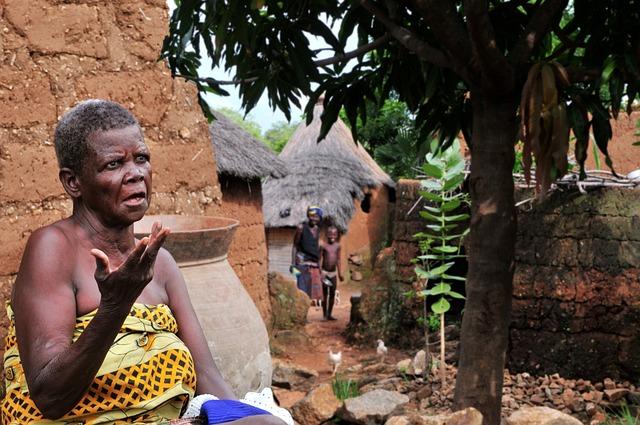
Togo’s Response to the HIV Epidemic: Progress and Challenges
Togo has made significant strides in addressing the HIV epidemic over the last two decades, embodying a commitment to increasing awareness, improving treatment access, and reducing stigma related to the virus. Key initiatives include:
- National Strategic Plan: The government launched a comprehensive plan in alignment with the UNAIDS 90-90-90 targets, aiming for 90% of people living with HIV to know their status, 90% of those diagnosed to receive sustained antiretroviral therapy, and 90% of those on therapy to achieve viral suppression.
- Community Outreach Programs: Activating community leaders and local organizations to conduct educational campaigns has been pivotal in enhancing public awareness and encouraging testing.
despite these advances, challenges remain. Significant gaps in healthcare infrastructure and persistent social stigma hinder effective response efforts. Such as:
| Challenges | Impact |
|---|---|
| Stigma and Discrimination | Leads to reluctance in seeking testing and treatment. |
| Limited Resources | Hinders the distribution of services, particularly in rural areas. |
| Gender Inequality | Women face additional barriers in accessing healthcare services. |
Addressing these challenges is crucial for Togo’s continued progress in effectively managing the HIV epidemic and ensuring the health and well-being of its population.
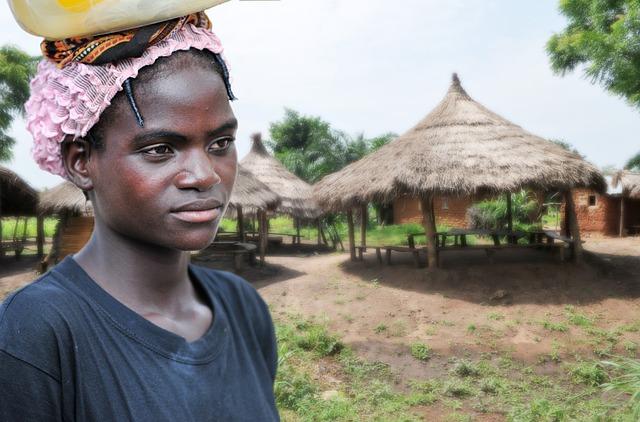
The Role of UNAIDS in Strengthening Togo’s Health Infrastructure
UNAIDS plays a pivotal role in enhancing the healthcare framework in Togo by providing essential guidance and support in various sectors. Key initiatives include:
- Capacity Building: Training healthcare professionals and equipping facilities with the necessary resources.
- Data Collection: Conducting surveys and assessments to gather vital health-related statistics that inform policy decisions.
- community Engagement: Raising awareness about HIV/AIDS prevention and treatment programs at the grassroots level.
- Partnerships Development: Collaborating with local governments, NGOs, and international organizations to foster a united approach to health challenges.
The collaborative efforts have substantially transformed Togo’s response to health crises, evident in the strategic implementation of programs focused on disease prevention and care.An ongoing evaluation of UNAIDS’ involvement can be summarized in the table below:
| Initiative | Description | Impact |
|---|---|---|
| HIV Prevention | Campaigns promoting safe practices and accessibility to testing. | Increased awareness and reduced stigma. |
| Treatment Accessibility | Providing antiretroviral therapy through local clinics. | Improved health outcomes for those living with HIV. |
| Policy Advocacy | Supporting government actions for inclusive health policies. | Strengthened legal frameworks and resource allocation. |
Community Engagement: Mobilizing Local Efforts Against HIV
In Togo, local communities are stepping up to combat HIV through grassroot mobilization and awareness campaigns. These initiatives focus on empowering individuals with knowledge about prevention and treatment options while fostering a sense of solidarity among those affected. By engaging diverse groups—such as youth, women, and local leaders—the movement aims to dismantle stigma and ensure that everyone receives the support they need. Key strategies include:
- Educational Workshops: Targeting schools and community centers to inform about HIV transmission and prevention.
- Peer Support Groups: Creating safe spaces for individuals living with HIV to share experiences and access mental health support.
- Local Events: Organizing health fairs that provide free testing and counseling services.
Additionally, partnerships with non-governmental organizations have proven essential in strengthening these local efforts. Through coordinated outreach, communities can leverage resources, maximizing their impact. By using social media and customary media platforms, awareness campaigns reach wider audiences, encouraging participation and volunteerism. The effectiveness of these campaigns can be monitored using stakeholder feedback and measurable outcomes, such as:
| Activity | Participants Engaged | New Testing Rates |
|---|---|---|
| Educational Workshops | 300 | 70% |
| Health Fairs | 500 | 80% |
| Peer Support groups | 150 | 65% |

Targeting Vulnerable Populations: Strategies for Effective Outreach
Effectively engaging vulnerable populations requires a tailored approach that addresses their unique needs and circumstances. leveraging community partnerships is essential in this regard; collaboration with local organizations can foster trust and facilitate access to marginalized groups. In addition, employing diverse communication strategies can effectively reach those who are often overlooked. Consider the following tactics:
- Community Forums: Organizing open discussions to share data and listen to concerns.
- Mobile outreach: Utilizing mobile units to deliver services directly to underserved areas.
- Peer Educators: Training individuals from within the community to provide education and support.
Moreover, addressing cultural sensitivities and barriers is crucial in ensuring that outreach efforts are respectful and effective. Understanding the context in which these populations live can inform program development and resource distribution. Implementing feedback mechanisms also allows for continuous improvement, tailoring services based on real-time community input. Consider the following key areas to focus on:
| Focus Area | Strategy |
|---|---|
| Language Barriers | Employ translators or offer materials in multiple languages. |
| cultural Beliefs | Involve local leaders in outreach initiatives to gain credibility. |
| Access Issues | Implement remote services through telehealth options. |

Funding and Resource Allocation: Ensuring Sustainable Support for Togo’s HIV Programs
Investing in Togo’s HIV programs requires a comprehensive approach to funding and resource allocation that ensures effectiveness and sustainability. It is essential to mobilize resources from a variety of sources to foster long-term support for these initiatives. Potential funding mechanisms include:
- Government budgets: Allocating a percentage of national health budgets specifically for HIV programs.
- International partnerships: Collaborating with NGOs and global health organizations to enhance technical skills and funding.
- Private sector engagement: Encouraging corporate social obligation initiatives that focus on health awareness and prevention.
- community-driven fundraising: Promoting local fundraising events that generate awareness and financial support.
Effective resource allocation also demands a transparent and accountable framework to track the allocation and utilization of funds. Regular assessments can definitely help identify gaps and reallocate resources where they are most needed. Key indicators to monitor program effectiveness include:
| Indicator | Target Value | actual Value |
|---|---|---|
| Percentage of population with access to HIV treatment | 90% | 85% |
| Yearly reduction in new infections | 20% | 15% |
| Community awareness programs launched | 50 | 30 |

Recommendations for Future Initiatives: Enhancing Collaboration and Impact
To pave the way for more effective initiatives in Togo, fostering collaboration among stakeholders is essential. This can be achieved through a series of joint workshops and training programs aimed at aligning the objectives of local organizations with global health strategies. Key actions include:
- Establishing communication networks among NGOs, government agencies, and international bodies.
- Creating partnerships for resource sharing and best practices in combating HIV/AIDS.
- Implementing community-based programs that involve local leaders and household representatives to enhance outreach.
In addition to enhancing collaboration, a focus on measurement and evaluation will ensure initiatives have a lasting impact. Developing a robust framework for monitoring progress, with clear metrics tailored to local contexts, is vital. This framework should include:
| Indicator | Goal | Timeframe |
|---|---|---|
| Number of outreach programs conducted | Increase by 30% | Year 1 |
| Community engagement rate | achieve 50% participation | Year 2 |
| Reduction in new infections | Decrease by 20% | Year 3 |
By adopting a data-driven approach, organizations can adapt their strategies in real-time, ensuring that interventions are both effective and responsive to the evolving landscape of public health challenges in Togo.

The Way Forward
Togo’s partnership with UNAIDS underscores a vital commitment to combating the HIV/AIDS epidemic. As the nation strides toward its ambitious goal of eliminating new infections and improving access to treatment, the collaborative efforts between the government, local organizations, and international bodies will be crucial in driving sustainable change. Continued investment in education, healthcare infrastructure, and community outreach is essential to empower individuals and promote awareness. As Togo navigates the complexities of this public health challenge,the support and resources facilitated by UNAIDS will play an instrumental role in shaping a healthier future for all Togolese citizens. The journey toward ending AIDS as a public health threat by 2030 is ambitious, yet with dedicated efforts and solidarity, it remains an achievable goal.