
A Strategic Bridge Between africa and Europe: Tunisia’s Role in the Innovation Ecosystem
In an era marked by rapid technological advancement and globalization, Tunisia has emerged as a pivotal player in bridging the innovation ecosystems of Africa and europe. Positioned at the crossroads of two continents, the North African nation is leveraging it’s unique geographical and cultural assets to foster a burgeoning entrepreneurial landscape that attracts diverse stakeholders from both regions. This article delves into the dynamic role tunisia plays in facilitating innovation,highlighting its burgeoning startup scene,supportive government policies,and collaborative initiatives that are reshaping the African and European tech landscapes. By examining the key factors driving Tunisia’s ascent as a strategic hub, we aim to illuminate its significance in the broader context of global innovation and economic integration.
The Emerging Innovation Landscape in Tunisia
Tunisia stands at the crossroads of Africa and Europe, rapidly evolving into a hub for innovation and entrepreneurship. The country is witnessing a surge in tech startups, fueled by a youthful population eager to embrace digital transformation. This vibrant ecosystem thrives on key factors such as:
- Government Support: Initiatives and policies aimed at fostering entrepreneurship and innovation.
- Access to Talent: A well-educated workforce with a focus on STEM fields.
- Investment Opportunities: Growing interest from venture capital in both local and international markets.
Moreover, Tunisia’s geographical position enhances its appeal as a strategic partner for European companies looking to penetrate African markets. Local incubators and accelerators are collaborating with global players, creating a dynamic environment that promotes knowledge exchange and business growth. The synergy generated from this partnership enables:
| Key Players | Contribution |
|---|---|
| Government | Policy frameworks supporting innovation |
| Startups | Disruptive business models addressing local needs |
| Incubators | Mentorship and resources for nascent entrepreneurs |
| Investors | Capital infusion enabling scalability |

Investing in Human Capital: Education and Skill Development
Investment in education and skill development plays a pivotal role in creating a robust and sustainable innovation ecosystem. In Tunisia,the commitment to enhancing human capital is evident in various government initiatives aimed at improving access to quality education and vocational training. By fostering partnerships between educational institutions and the private sector,Tunisia is producing a workforce equipped with the necessary technical skills and entrepreneurial mindset to drive innovation. This strategic alignment not only meets local industry demands but also positions Tunisia as a competitive player in the Mediterranean innovation landscape.
furthermore, Tunisia’s focus on digital literacy and STEM education prepares its youth for the challenges of a rapidly evolving global economy. Stakeholders are increasingly recognizing the value of upskilling and reskilling programs tailored to emerging technologies such as artificial intelligence,cybersecurity,and data analytics. To illustrate the impact of these educational advancements on the startup scene in Tunisia, consider the following table:
| Year | Number of Startups | % with Tech Focus |
|---|---|---|
| 2018 | 150 | 30% |
| 2019 | 220 | 45% |
| 2020 | 300 | 55% |
| 2021 | 350 | 60% |
These figures highlight a growing trend towards technology-driven startups, driven by an educated youth eager to innovate. By strategically investing in educational frameworks and partnerships that prioritize skill development, Tunisia is not only enhancing its domestic labor force but also serving as a bridge for collaborations between Africa and Europe.

Public-Private Partnerships: Driving Innovation Forward
Public-private partnerships (PPPs) are increasingly recognized as essential vehicles for fostering innovation across various sectors, especially in emerging markets like Tunisia. By leveraging the strengths of both the public sector’s strategic vision and the private sector’s agility and capital, these collaborations create a fertile ground for technological advancements and economic growth. Key benefits of PPPs in innovation include:
- Enhanced access to funding and resources.
- Acceleration of research and development initiatives.
- streamlined regulatory processes that support startups and established companies alike.
Tunisia stands at the forefront of this dynamic intersection between public and private sectors, positioning itself as a vital hub for innovation within the African and European landscapes. The government has actively sought to establish frameworks that encourage investment and collaboration, fostering a culture of entrepreneurship. Notable initiatives include:
| initiative | Description |
|---|---|
| Tunisian Startup Act | A framework granting tax breaks and funding support for new startups. |
| Innovation Hubs | Public-private centers designed to incubate and accelerate tech-driven solutions. |

Navigating Regulatory Frameworks for Startups
For startups seeking to thrive in the dynamic landscape between Africa and Europe, understanding and navigating the regulatory frameworks in Tunisia is paramount.The Tunisian government has been actively reforming its policies to foster a more conducive environment for innovation and entrepreneurship. Notably, the country has established a extensive set of measures aimed at supporting startups, which include:
- incentives for Foreign Investment: Tunisia offers tax breaks and simplified processes for foreign entrepreneurs aiming to establish their businesses.
- Protection of intellectual Property: Enhanced laws aim to safeguard innovations, thus encouraging creators to operate within the market.
- Access to Funding: Various governmental and private sector initiatives provide financial resources to promising startups.
Moreover, Tunisia’s regulatory landscape promotes collaboration with European partners, creating opportunities for startups to expand their operations or enter new markets. A key aspect of this is the creation of innovation hubs that serve as incubators for new ideas. These hubs often facilitate:
- Mentorship Programs: Connecting entrepreneurs with industry experts and successful founders.
- Networking Events: Providing platforms for startups to showcase their products to potential investors.
- Workshops and Training: Offering knowledge-sharing sessions that focus on compliance and market entry strategies.

Leveraging Technology to Foster Cross-Continental Collaboration
In recent years, technological advancements have been pivotal in enhancing collaboration between continents, particularly between Africa and Europe. Tunisian startups have embraced this trend by utilizing tools and platforms that streamline dialog, project management, and details exchange. By harnessing cloud computing, video conferencing, and project management software, these businesses not only overcome geographical barriers but also foster a vibrant innovation ecosystem. This synergy is further exemplified by cross-border partnerships, allowing creative minds from both regions to pool their resources and expertise effectively.
Key factors contributing to this collaborative landscape include:
- Increased Internet Connectivity: Enhanced bandwidth and the proliferation of mobile devices have made it easier for teams to connect in real-time.
- Collaboration Hubs: Initiatives like co-working spaces and innovation hubs in Tunis serve as meeting points for entrepreneurs from both continents.
- Government Support: Policies aimed at promoting startup ecosystems encourage international collaboration through grants and incentives.
| Key technology | Impact on Collaboration |
|---|---|
| cloud Computing | Facilitates data sharing and storage across borders. |
| Video Conferencing | Enables face-to-face meetings without travel expenses. |
| Project Management Tools | Improves efficiency in team coordination and tracking. |
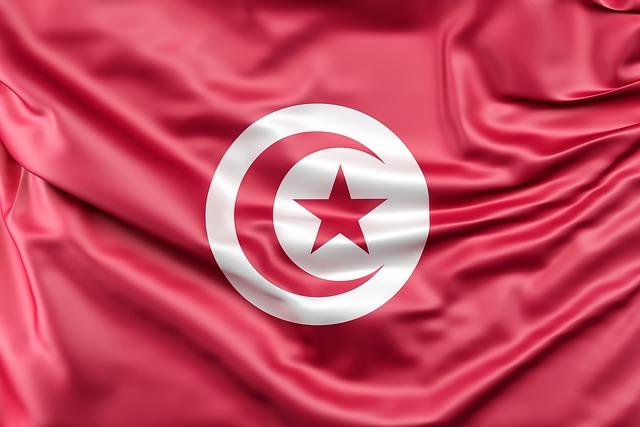
Success Stories: Tunisian startups Making an Impact in Europe
Final Thoughts
Tunisia’s emerging position as a strategic bridge between Africa and Europe underscores the country’s potential to substantially influence the global innovation landscape. Its proactive approach to fostering a dynamic tech ecosystem, combined with its unique geographic and cultural advantages, places it at the forefront of cross-continental collaborations. As investors and entrepreneurs increasingly recognize the opportunities within Tunisia, the nation stands poised to become a nexus of innovation that not only benefits its local economy but also contributes to broader regional development. As we continue to monitor these trends, it is clear that Tunisia’s role in connecting Africa and Europe is only set to grow, offering a model for other nations looking to enhance their innovation capabilities. Moving forward, the collaboration between these continents may well redefine the future of technology and entrepreneurship on a global scale.