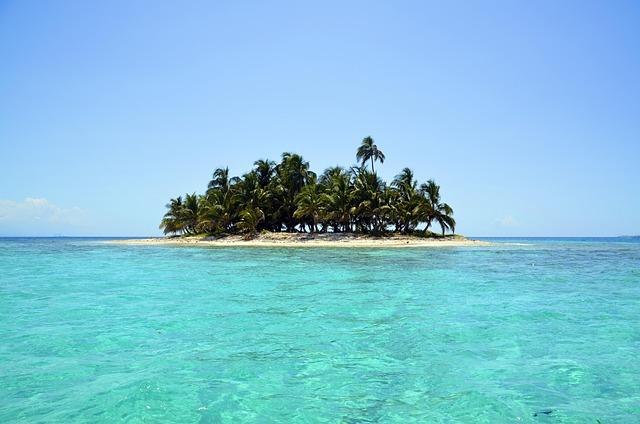
In recent discussions surrounding the Chagos Islands, a group of small archipelagos in the Indian Ocean, Mauritius has emerged as a surprising and assertive player on the international stage. The protracted dispute over the islands, which have been at the heart of a geopolitical tug-of-war between Mauritius and the United Kingdom for decades, is now taking on new dimensions as Mauritius leverages diplomatic negotiations to reclaim sovereignty over the territory. This shift not only highlights the evolving dynamics of post-colonial relations but also underscores Mauritius’s growing influence in regional and global affairs. As talks progress, the implications for international law, environmental conservation, and the rights of indigenous populations become increasingly significant, marking a pivotal moment for a nation that seeks to reassert its identity and agency in a complex geopolitical landscape.

The Geopolitical Significance of the Chagos Islands
the Chagos Islands, a strategically located archipelago in the Indian Ocean, have long been a focal point of geopolitical contention. originally part of Mauritius, the islands have been positioned at the crossroads of crucial maritime routes, making them significant for military and trade operations. The United States’ military base on Diego Garcia—the largest island in the group—underscores this importance, serving as a critical hub for air and naval operations. The presence of this base has geopolitical implications, especially in the context of U.S.-China relations, as it provides Western powers with a strategic foothold in a region increasingly influenced by China’s growing presence.
In recent years, the Mauritian government has made concerted efforts to reclaim sovereignty over the Chagos Islands, highlighting the evolving dynamic of power in the region. Several factors amplify their importance in global affairs:
- Ancient Claims: Mauritius asserts that the islands were forcibly separated during its decolonization process.
- Economic Interests: Control over surrounding waters offers potential access to rich marine resources.
- International Alliances: The dispute has garnered support from various nations and international bodies, emphasizing the need for dialog.
As diplomatic discussions progress, the implications for regional stability, resource management, and international relations continue to unfold, highlighting the intricate tapestry of geopolitical chess being played in the Indian ocean.

Mauritius’s Diplomatic Maneuvers and Their Impact
Mauritius’s recent diplomatic efforts surrounding the Chagos Islands have highlighted its growing influence on the global stage and its steadfast push for sovereignty. After years of negotiations and advocacy, the island nation has successfully garnered support from various international actors, showcasing a shift in geopolitical dynamics in the Indian Ocean region. This resurgence of diplomatic activity can be attributed to several key factors:
- Strategic Alliances: Strengthening ties with major powers, including India and the United States, has provided Mauritius with a platform to assert its claims over the disputed islands.
- International Law Advocacy: Mauritius has effectively utilized platforms such as the United Nations to highlight its legal arguments, emphasizing the importance of decolonization.
- Public Sentiment: Mobilizing public opinion both locally and internationally, especially among its diaspora, has instilled a sense of national identity and urgency in the campaign for sovereignty.
The impact of these diplomatic maneuvers extends beyond the islands themselves, as they are reshaping Mauritius’s relationships with regional neighbors and global stakeholders. The unfolding situation offers a lens through which to assess broader trends in international relations, particularly regarding issues of colonial legacy and territorial integrity. To illustrate this evolving landscape, consider the following table that outlines key milestones in Mauritius’s diplomatic timeline concerning the Chagos Islands:
| Year | Event | Impact |
|---|---|---|
| 2019 | UN General Assembly Resolution | Reinforced the stance of Mauritius, calling for the return of the islands. |
| 2021 | ICJ Advisory Opinion | Strengthened legal claims for decolonization, gaining international attention. |
| 2023 | Renewed Negotiations with the UK | Opened dialogue on sovereignty, signaling changing attitudes. |
This active engagement not only bolsters Mauritius’s position but also poses challenges for previous colonial powers and sets a precedent for similar disputes around the world. As these diplomatic dynamics continue to unfold, the global community watches closely, keen to see how the resolution of the Chagos Islands issue might influence other territories facing similar historical injustices.

Environmental Concerns in the Chagos Dispute
The environmental implications of the Chagos dispute cannot be overlooked, as the region is home to unique ecosystems and biodiversity that are increasingly under threat. The chagos Archipelago,particularly Diego Garcia,is characterized by pristine coral reefs,rich marine life,and delicate terrestrial ecosystems,making it a vital area for environmental conservation. The long-standing military presence on the islands has raised concerns about habitat destruction and pollution, leading environmentalists to advocate for sustainable practices and consideration of the ecological repercussions in any future negotiations.
Moreover, the potential for tourism and conservation initiatives provides an opportunity to balance economic interests with environmental protection. By shifting the focus toward ecotourism, Mauritius can help protect the fragile ecosystems of the Chagos Islands while fostering responsible development. Key initiatives that could be considered include:
- Establishing Marine Protected Areas to safeguard biodiversity.
- Implementing sustainable tourism practices to minimize ecological footprints.
- Investing in research and conservation projects that highlight the islands’ ecological potential.
Moreover, the table below summarizes the key environmental challenges posed by the ongoing conflict in the Chagos region, illustrating the need for urgent attention and action:
| Environmental Concern | Description |
|---|---|
| Coral Reef Destruction | Effects of military activities and climate change on coral health. |
| Pollution | Potential contamination from waste disposal and naval operations. |
| Species Endangerment | Threats to native species from habitat encroachment and degradation. |
The Role of International Law in the Chagos Islands Talks
The ongoing talks surrounding the Chagos Islands illustrate the significant role that international law plays in territorial disputes. The United Nations Convention on the Law of the Sea (UNCLOS) and various international legal precedents position Mauritius as the legitimate sovereign over the islands, which were forcibly removed of their inhabitants in the 1960s to allow the establishment of a U.S. military base. This historical context, intertwined with international human rights standards, underlines Mauritius’s claim to the islands and reinforces its pursuit of sovereignty through legal channels. Key principles including self-determination and territorial integrity are central to mauritius’s argument, garnering support from several nations and international organizations.
The complex legal framework also underscores the necessity for diplomatic engagement between Mauritius and the United Kingdom, the latter having retained control over the islands as the colonial era. Negotiations have now transitioned to more multilateral platforms, where the shifting dynamics of global politics are evident. As Mauritius seeks to leverage international law to assert its claims, various stakeholders from around the world—ranging from regional partners to global giants—are keenly observing these developments.The potential for widespread implications on maritime rights and regional security makes this dispute a focal point in international relations. Key aspects of the current dialogue can be summarized as follows:
| key Legal Principles | Implications for Mauritius |
|---|---|
| Self-determination | Supports claims for sovereignty over Chagos Islands. |
| Territorial integrity | Strengthens legal arguments against UK control. |
| Human rights | Shields against potential violations and restitution calls. |

Recommendations for a Sustainable Future in the Indian Ocean Region
As the discussions surrounding the Chagos Islands evolve, it is crucial to foster cooperation among nations in the indian Ocean Region to promote long-term sustainability. Collaborative initiatives can serve dual purposes: enhancing economic growth and preserving the unique marine ecosystems. Key strategies include:
- Marine Protected Areas (MPAs): Establishing a network of MPAs to safeguard biodiversity while allowing for sustainable fishing practices.
- Renewable Energy Projects: Investing in solar and wind energy to reduce dependence on fossil fuels, thereby lowering carbon emissions in the region.
- Cultural Exchange Programs: Encouraging cross-border cultural initiatives to strengthen community ties and foster respect for environmental stewardship among local populations.
Moreover, addressing climate change impacts is imperative for ensuring the resilience of island nations. A concerted effort toward technology transfer and capacity building can empower local communities to adapt effectively to changing environmental conditions. Implementing strategies such as:
| Strategy | description |
|---|---|
| Early Warning Systems | Deploying advanced forecasting technologies to prepare for extreme weather events. |
| Coastal Restoration | Reviving mangroves and coral reefs to enhance natural barriers against storms. |
| Community Education | Providing training programs focused on sustainable practices and climate resilience. |

Potential Outcomes and Implications for Global Alliances
The ongoing discussions surrounding the Chagos Islands not only spotlight Mauritius’s growing influence on the global stage, but they also reflect shifting power dynamics in international relations. As Mauritius asserts its sovereignty claims, the potential outcomes could dramatically reshape alliances within the Indian Ocean region and beyond. Key implications include:
- Strengthening regional partnerships: Mauritius’s actions may encourage stronger collaboration amongst neighboring countries, fostering a united front in addressing shared concerns.
- Influence on maritime rights: The final decisions over the islands may establish precedents for similar territorial disputes, impacting international maritime law.
- Geopolitical realignments: other nations may reassess their positions and alliances, as Mauritius aligns itself more closely with diverse global powers.
Moreover, these developments present opportunities for Mauritius to leverage its newfound authority. The potential for increased foreign investment and development initiatives in the region is significant. A swift change in the diplomatic landscape could lead to:
| opportunity | Description |
|---|---|
| Increased tourism | Showcase rich natural resources and biodiversity, driving economic growth. |
| Trade partnerships | Expand trade agreements with key global players, enhancing exports. |
| Security collaborations | Engage in joint security initiatives with allies to combat regional threats. |
In summary
the ongoing negotiations surrounding the Chagos Islands underscore a significant shift in the geopolitical landscape of the Indian Ocean. As Mauritius asserts its claims with increasing confidence and support from international allies, the issues at play extend beyond territorial disputes to broader questions of sovereignty, colonial legacy, and environmental stewardship. The evolving dynamics highlight not only Mauritius’s rising influence on the global stage but also the need for cooperative dialogue and resolution in the face of historical injustices. As talks progress, the outcome will likely have lasting implications not only for the Chagos Islands but for regional stability and the future of island nations navigating the complex waters of international diplomacy.