
In a meaningful development in the Democratic Republic of Congo, President Félix Tshisekedi has decided to commute the death sentences of three American nationals who were convicted in connection with a failed coup attempt aimed at destabilizing the country’s government. This decision, revealed by the Congolese government, has drawn international attention and raised questions about the implications for U.S.-congo relations and broader issues of justice and governance within the region. As the DRC navigates a complex political landscape fraught with challenges, this pivotal move could indicate a shift towards a more lenient approach in handling foreign citizens embroiled in its internal conflicts. this article delves into the circumstances surrounding the convictions, the reaction from both the American government and the international community, and the potential ramifications of this commutation on political dynamics in the DRC.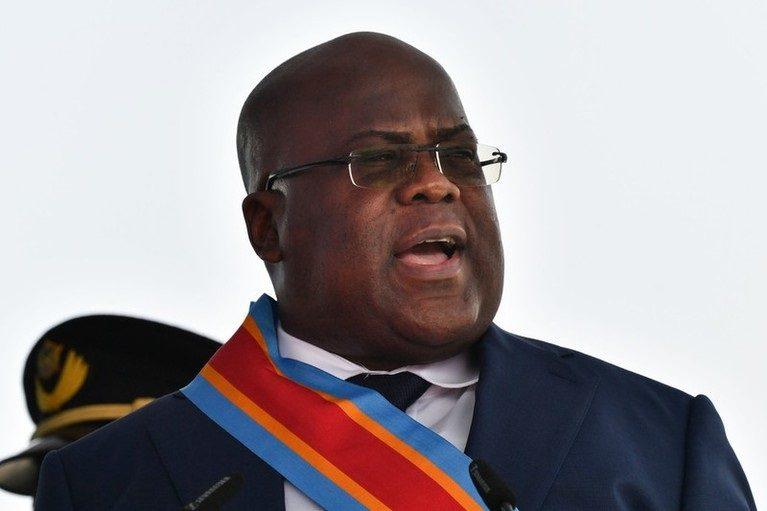
DRC President’s Decision to Commute Death Sentences: An Overview of the Case
The recent decision by the President of the Democratic Republic of Congo (DRC) to commute the death sentences of three Americans has sparked significant attention both domestically and internationally. The men were initially convicted for their involvement in a coup attempt against President Félix Tshisekedi’s government, a move that could have destabilized the region. The commutation reflects a complex interplay between international relations and national security, highlighting the DRC’s delicate balancing act in managing foreign ties while asserting its sovereignty.
Key points regarding the commutation include:
- International Pressure: Human rights groups and U.S. officials advocated for the inmates, urging the DRC to reconsider its punitive measures.
- Diplomatic Relations: The DRC’s action could pave the way for strengthened relations with the United States, fostering economic and developmental partnerships.
- Domestic Considerations: The President’s decision also reflects domestic pressures and the government’s commitment to a more humane justice system.
The DRC’s judicial system has been under scrutiny for its treatment of both foreign and domestic prisoners, raising questions about fairness and clarity. The commute not only signals a shift in policy but also provides an opportunity for the DRC government to showcase its commitment to reform. With this development, there is potential for dialog surrounding the cases of other detained individuals, which could lead to broader discussions on justice and human rights in the country.
the commutation of sentences serves multiple functions:
| Aspects | Implications |
|---|---|
| International Relations | Possibility of diplomatic reconciliation and aid. |
| Human Rights | Potential for institutional reforms in justice. |
| Public Perception | Attempts to enhance the government’s global image. |
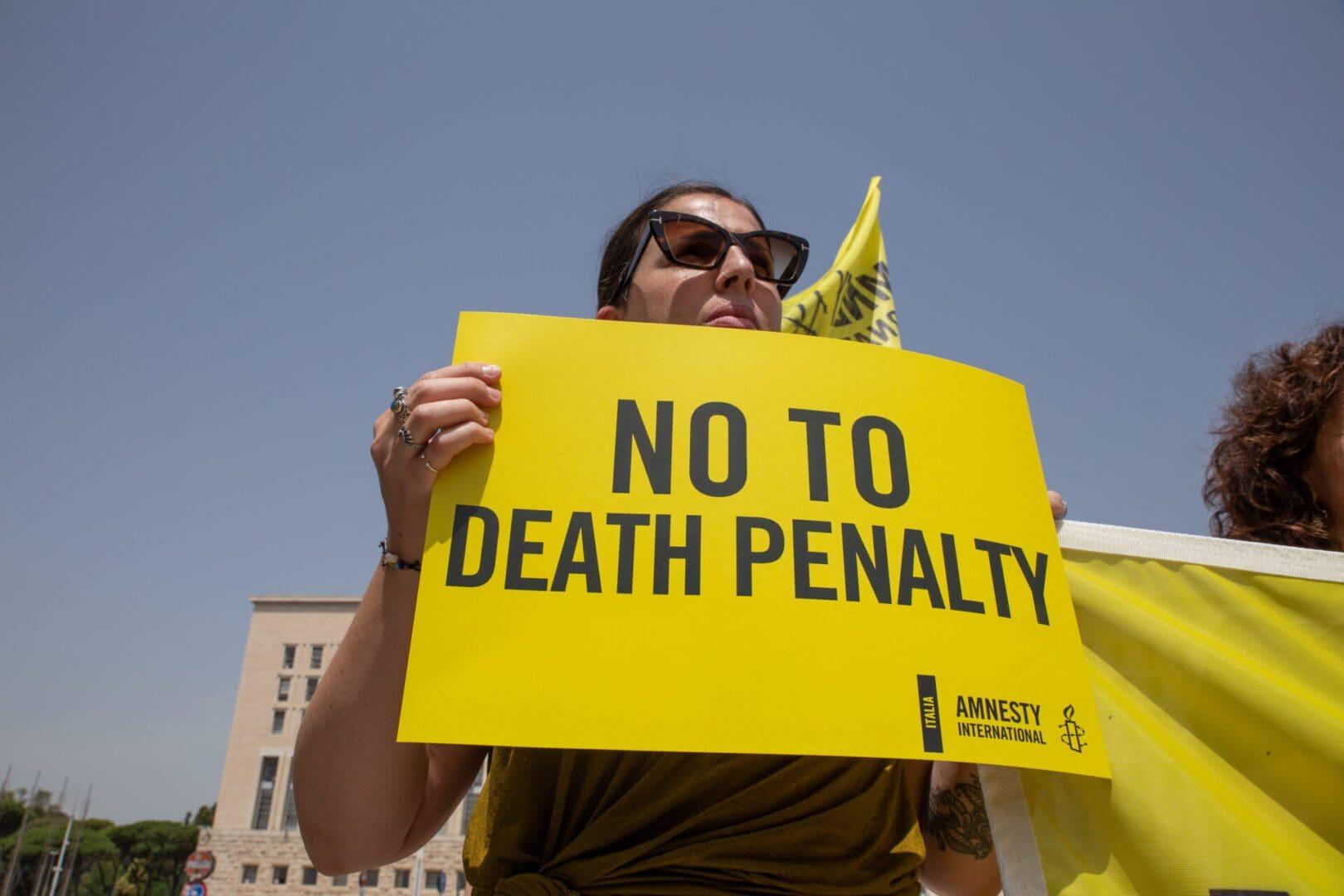
Legal Ramifications of Commuting Death Sentences in the DRC
The commutation of death sentences in the Democratic Republic of the Congo (DRC) has raised significant legal questions that merit close examination. Legally,the power to commute sentences lies with the President,who acts under the provisions of the Congolese Constitution. This event challenges the existing legal framework around the death penalty in the DRC, which remains a controversial subject. With ongoing debates about human rights and judicial integrity, the act of commuting sentences may set a precedent for similar cases in the future, altering how the Congolese judicial system approaches capital punishment.
In addition to the direct implications for those involved, the decision has broader ramifications for international relations and adherence to international human rights laws. Nations often scrutinize legal practices concerning the death penalty, especially in cases involving foreign nationals. Key considerations include:
- Potential shifts in diplomatic relations between the DRC and the United States.
- The impact on future trials and sentencing in politically sensitive cases.
- Public opinion and societal views on capital punishment and justice reform in the DRC.
Moreover, the DRC’s legal landscape is further complicated by the interplay of local customs and international standards, prompting a critical reassessment of how justice is administered and perceived both domestically and globally. Legal experts will likely continue to analyze the outcomes of this decision and its implications for future governance and rule of law in the region.

Impacts on US-Democratic Republic of Congo Relations Following the Decision
The commutation of death sentences for three Americans in the Democratic Republic of Congo (DRC) marks a pivotal moment that could reshape bilateral relations between the U.S. and the DRC. This decision underscores a shift towards more diplomatic engagement and reflects President Félix Tshisekedi’s willingness to reconcile and foster a positive international image. The U.S. government has long been concerned about the treatment of its citizens abroad, and this development may serve as a catalyst for improved diplomatic relations, enabling both nations to collaborate more closely on issues such as security, humanitarian aid, and economic development.
as both nations navigate this new chapter, several key factors will influence their evolving relationship:
- Diplomatic Dialogue: Increased communication channels could pave the way for future negotiations and cooperation.
- Human Rights Advocacy: the U.S. may leverage this outcome to advocate for broader human rights reforms within the DRC.
- Economic Cooperation: opportunities for investment and trade could expand, enhancing economic ties.
- Regional stability: Joint initiatives on security matters could foster stability in the Great Lakes region.
In light of this decision, analysts are keenly observing potential shifts in U.S. foreign policy towards the DRC. The implications for aid, trade agreements, and military cooperation will be areas of focus, as both nations seek to foster a mutually beneficial relationship. Ultimately, this development represents a significant juncture that could lead to increased collaboration or, conversely, new challenges if expectations are not met.
human Rights Perspectives on the Commutation of sentences
The recent decision by the President of the Democratic Republic of the Congo (DRC) to commute the death sentences of three Americans convicted in a coup attempt raises significant human rights considerations. This move reflects a growing trend in international jurisprudence toward the abolition of capital punishment, emphasizing the need to uphold the dignity of all individuals, regardless of their alleged crimes.such a commutation may also signify a shift towards a more rehabilitative approach to justice, acknowledging the human potential for reform over retribution. The implications of this decision resonate beyond national borders, inviting global discourse on the ethics of state-sanctioned executions and the overarching principle of the right to life.
Compassionate responses to sentencing, such as commuting death sentences, also reflect a broadening understanding of human rights in the context of governance. In many regions around the world, key factors influencing such decisions include:
- International Pressure: Calls from human rights organizations and foreign governments can prompt national leaders to reconsider harsh penalties.
- Public Sentiment: Increasingly, populations are advocating for humane treatment and alternatives to capital punishment.
- Legal Reforms: Adjustments in legal frameworks frequently enough align with evolving human rights standards, encouraging more lenient sentencing practices.
This decision not only affects the individuals involved but also contributes to a broader dialogue regarding justice systems and their alignment with international human rights norms. The willingness to reconsider life-and-death penalties signals a potential cultural shift within the DRC, endorsing a more human-centric judicial approach that prioritizes rehabilitation and restorative justice.

Recommendations for Future legal Reforms in DRC Justice System
The recent commutation of death sentences for three Americans underscores the urgent need for thorough legal reforms within the DRC’s justice system. Ensuring the fair treatment of prisoners and adherence to human rights principles is paramount. The government should consider implementing a framework that promotes judicial independence and accountability while also reinforcing the importance of due process. Key recommendations include:
- Enhancing Judicial Independence: Establish mechanisms to safeguard judges from political influence, ensuring impartial decisions.
- streamlining Legal Procedures: Develop clearer and more efficient legal processes to reduce case backlogs and expedite justice delivery.
- Training and Capacity building: Invest in training judicial officers and law enforcement to uphold human rights standards in their operations.
- Public awareness Campaigns: Increase public knowledge about legal rights and the justice process to empower citizens.
The government can also explore establishing a transparent review board to assess and oversee cases involving serious charges, particularly those involving foreign nationals or politically sensitive issues.Creating a systematic approach to reform could include:
| Proposed Reform | Expected Impact |
|---|---|
| Independent Review Board | Enhances fairness and transparency in high-profile cases. |
| Legal Aid Expansion | Improves access to justice for underserved populations. |
| Regular Training Workshops | Ensures ongoing education on human rights for law enforcement. |
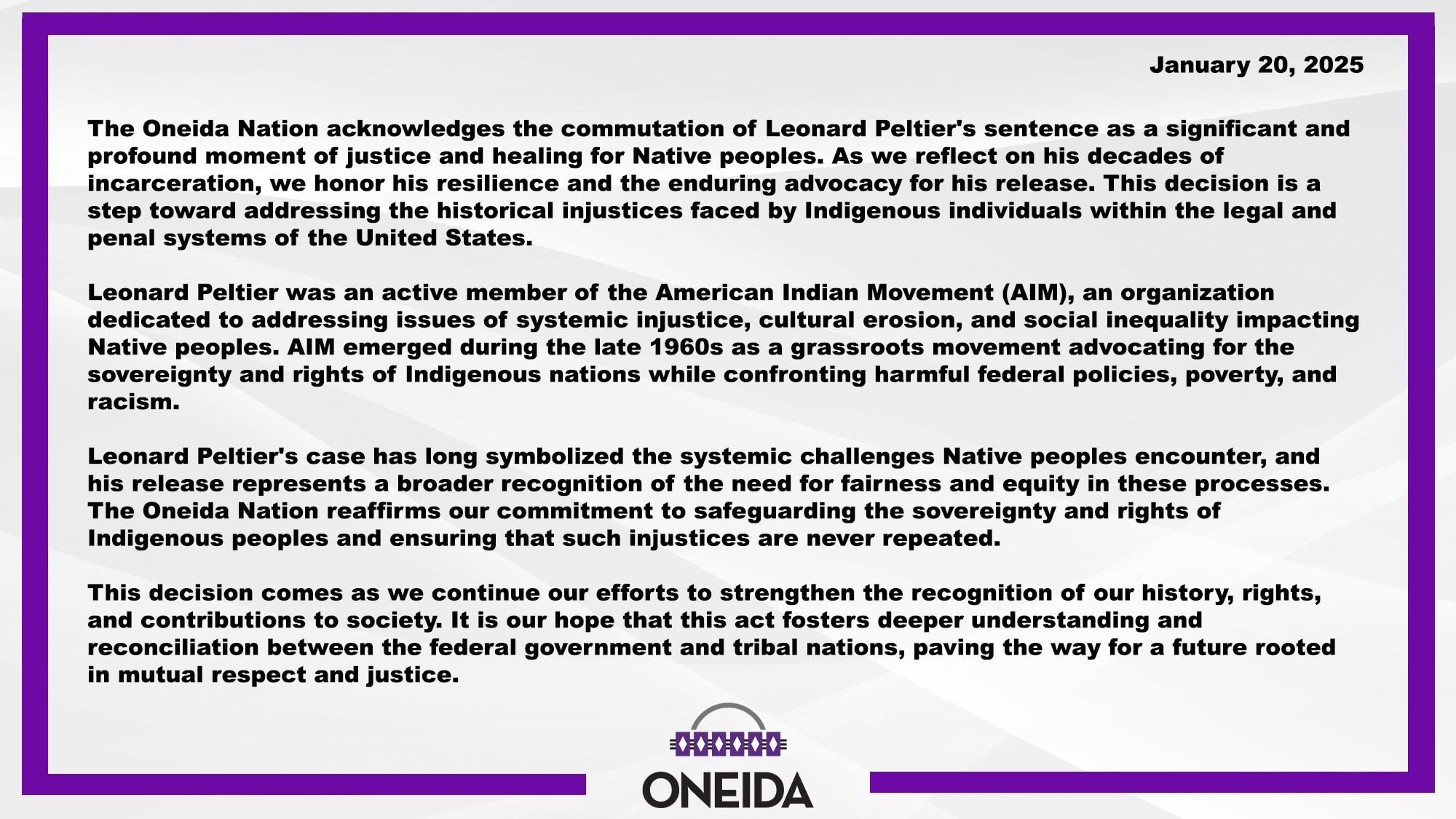
Public Reaction and Media Coverage of the Commutation Decision
The commutation decision by the President of the Democratic Republic of Congo has sparked a complex array of public sentiments and extensive media coverage. Social media platforms buzzed with reactions, with many individuals expressing relief that the three Americans convicted in the coup attempt will escape the death penalty. Supporters of the move noted its potential to improve international relations and foster a more cooperative stance from the U.S. However, others voiced concerns regarding the implications for domestic justice and the message it sends about accountability for political violence.
Media outlets have played a crucial role in disseminating details about the decision, with varying interpretations reflecting regional political dynamics. Coverage has focused on several key themes:
- Human Rights Advocacy: Human rights organizations have lauded the decision, arguing that it represents a step toward more humane treatment in the Congolese judicial system.
- International Relations: Analysts suggest that this act might ease tensions with the United states, highlighting the interconnectedness of diplomatic negotiations and human rights.
- Political Implications: the move raises questions about the Congolese government’s stance on political dissent and its approach to handling dissenters within its ranks.
The Way Forward
President Félix Tshisekedi’s decision to commute the death sentences of three american citizens convicted in connection with a recent coup attempt marks a significant development in both diplomatic relations and the legal landscape of the Democratic Republic of the Congo. This move not only highlights the complexities of international justice but also underscores the potential for reprieve and reconciliation amidst a challenging political climate.As the DRC navigates its path forward, the impact of this decision will likely resonate beyond its borders, influencing perceptions of governance and human rights in the region. Ongoing discussions between U.S. officials and Congolese authorities may pave the way for further dialogue, emphasizing the importance of collaboration in addressing the underlying issues that led to this crisis. As the situation unfolds, the eyes of the international community will remain focused on the DRC, eager to see how its leadership balances the pursuit of justice with the imperatives of diplomacy and stability.