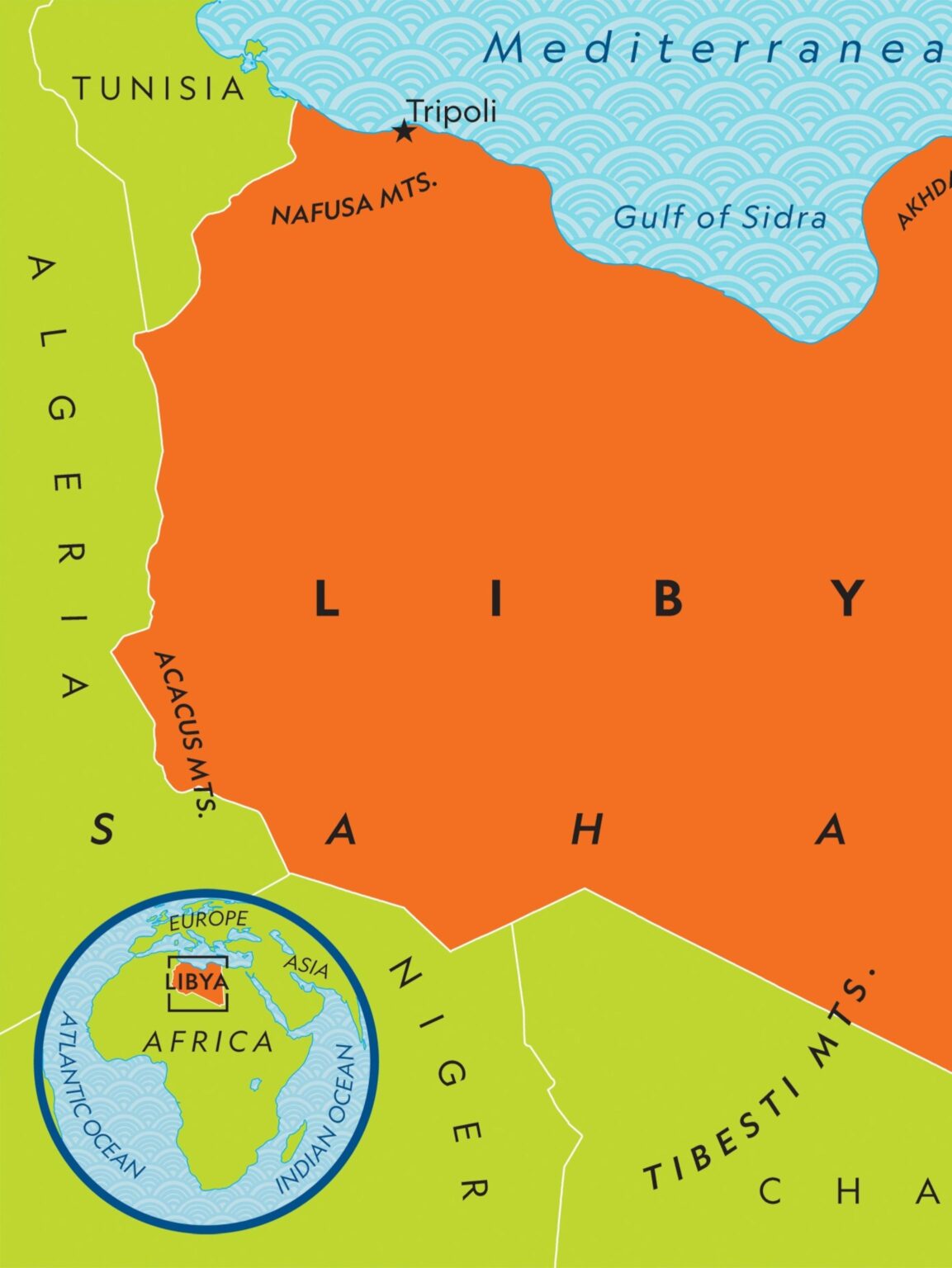
In recent years, Libya has transformed from a nation mired in internal conflict to a critical battleground for geopolitical rivalry, capturing the attention of global superpowers, particularly the United States and russia. the strategic significance of Libya, with its vast oil reserves and pivotal geographical location, has made it an arena for diplomatic maneuvering and military posturing. As factions within the country vie for control and stability remains elusive, the involvement of external actors has heightened tensions, complicating an already fraught situation.This article examines how U.S.-Russia competition is manifesting in Libya, exploring the past context, current dynamics, and potential implications for both regional and international stability. Through the lens of Libya’s complex challenges, we gain insight into the broader struggle for influence in a rapidly shifting world order.

Libya’s Strategic Importance in Global Power Dynamics
Libya’s geographical location—straddling Europe and Africa—places it at the heart of pivotal trade routes and energy corridors. This strategic positioning not only heightens its importance within the Mediterranean basin but also entices external powers seeking to exert influence across both continents. The country’s vast oil reserves make it a key player in the global energy market, crucial for the energy security strategies of nations, particularly in the context of fluctuating prices and climate commitments. Moreover, libya’s natural resources and the legacy of its tumultuous political landscape create a fertile ground for international intervention and competition, primarily between the United States and Russia.
In the current geopolitical landscape, several factors underscore libya’s role as an arena for U.S.-Russia rivalry:
- Energy Resources: Libya possesses the largest proven oil reserves in Africa.
- Military base Access: Control over military bases facilitates power projection into Europe and the Middle East.
- Political Alliances: Both superpowers vie to support different factions within the Libyan civil war to strengthen their influence.
- Migration Routes: Libya is a critical node in migration flows from Africa to Europe, impacting international security discussions.

The Role of Military presence and Influence in Libya
the ongoing conflict in Libya has transformed the North African country into a pivotal site for both U.S. and Russian military operations and influences. The strategic presence of various foreign military forces has significant implications for the local power dynamics and regional stability. Outside powers are leveraging their military assets to foster alliances with different Libyan factions, which in turn affects the trajectory of the civil strife.This situation has led to a series of interventions that underline the competing interests of global superpowers in a nation marked by internal discord.
Key elements influencing military presence in Libya include:
- Strategic Location: Libya’s geographic position next to Europe makes it a crucial point for military logistics and operations.
- Energy Resources: The abundance of oil and gas reserves has attracted foreign interest, as these resources are vital for national economies.
- Altering Balance of Power: Support from foreign military forces can tip the scales in favor of certain factions, complicating peace efforts.
| Country | Military Presence | Influence |
|---|---|---|
| United States | Special Operations Forces | Counterterrorism & Training |
| Russia | Wagner Group | Military Support to LNA |
Economic Interests: Energy Resources and Contracts
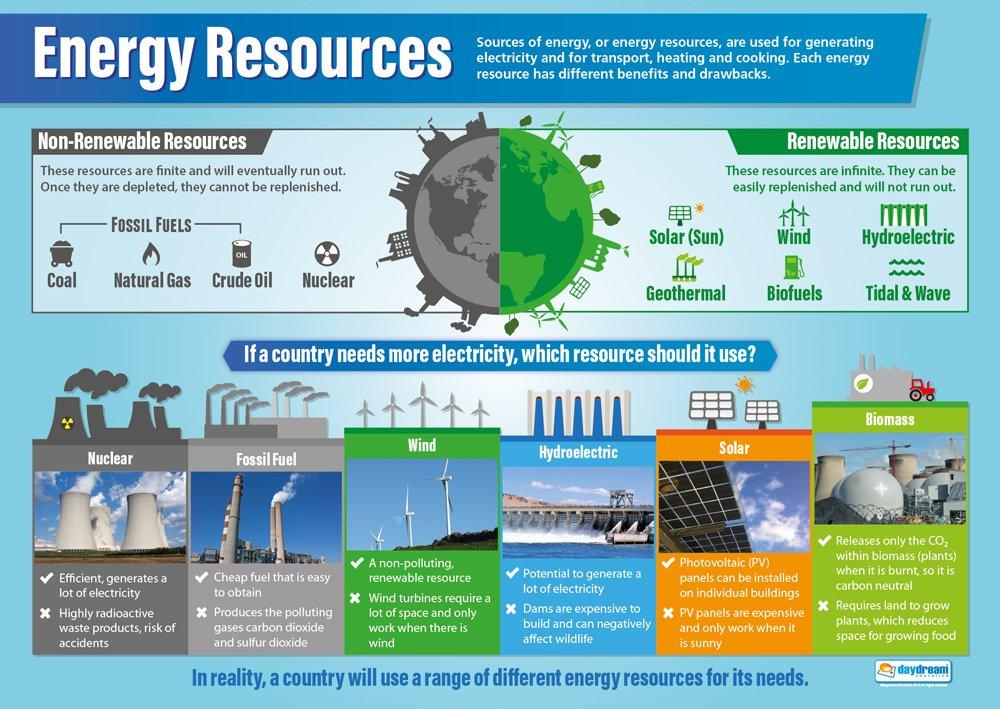
Libya, with its abundant reserves of oil and natural gas, has become a focal point for both U.S. and Russian economic interests, each vying for control over valuable energy resources. As the country struggles with political instability, opportunities abound for foreign investors to engage in lucrative contracts that promise significant returns. The competition is underscored by several strategic motivations, including:
- Market Access: Both superpowers aim to secure access to Libyan energy markets to enhance their global influence.
- Strategic Alliances: aligning with local factions can grant preferred access to Libya’s oil fields and infrastructure.
- Geopolitical Leverage: Gaining influence in libya allows both nations to challenge European energy reliance on Russian supplies.
The race for energy resources extends to contractual agreements that are critical for long-term investments and operational control. Major powers are negotiating deals which sometimes include military support and technology transfer in exchange for energy access. These contracts often stipulate:
| contract Type | Involved Parties | Duration |
|---|---|---|
| Exploration Contracts | U.S Companies & Libyan Authorities | 5-10 Years |
| Production Sharing Agreements | Russian Firms & Local Entities | 15-20 Years |
| Service Contracts | International Consortia | Variable |

Humanitarian Concerns Amid Rising Tensions
The escalating geopolitical rivalry between the United States and Russia in Libya has raised significant humanitarian concerns as the crisis continues to deepen. With armed clashes and political instability persisting, ordinary Libyans are bearing the brunt of this competition, frequently enough caught in the crossfire of foreign interests. Essential services are being strained, and the already precarious situation for civilians is deteriorating, leading to increased displacement and a rise in food insecurity. Humanitarian organizations are struggling to deliver aid amidst the chaos, as militias and foreign-backed groups frequently disrupt operations aimed at alleviating the suffering of the moast vulnerable populations.
In this climate of uncertainty, communities must navigate through a myriad of challenges. Key issues facing the local population include:
- Access to basic healthcare: Many hospitals are either damaged or lack the necessary supplies, leaving those in need without critical medical attention.
- Sanitation and clean water: interruptions in services have led to outbreaks of diseases as access to safe drinking water diminishes.
- Displacement and shelter: Many families have been forced to flee their homes, resulting in makeshift living conditions that are unsafe and unsanitary.
The need for coordinated humanitarian assistance is urgent, as various local and international actors attempt to navigate the political landscape while prioritizing the welfare of the Libyan population. Unluckily, the complexity of the power struggle means that effective aid delivery remains precarious, and the international community must act swiftly to mitigate the impact on civilians caught in this geopolitical tug-of-war.
Recommendations for a Balanced U.S. foreign Policy in Libya
Establishing a balanced foreign policy in Libya requires a multi-faceted approach that acknowledges the complex landscape of local and international interests. First,the U.S. should prioritize diplomatic engagement with diverse Libyan factions to promote a unified governmental framework, encouraging dialogue among rival groups while supporting grassroots initiatives that foster local reconciliation. second, the U.S. must reassess its military presence and aid, focusing on capacity-building for Libyan security forces rather than direct involvement in conflicts, to avoid exacerbating tensions and inadvertently aligning with one faction over another.
Moreover, a sustainable strategy will benefit from collaborative efforts among international partners, including European allies and regional stakeholders. Key recommendations include:
- Strengthening ties with the African Union to address regional stability.
- Enhancing economic partnerships that facilitate trade and investment in Libya’s reconstruction.
- Promoting humanitarian assistance to address immediate needs, thus stabilizing communities.
- Monitoring Russia’s activities closely to counteract destabilizing influence without escalating tensions.
The U.S. must navigate a careful balance, ensuring its policies not only reflect a commitment to Libyan sovereignty but also prepare for the implications of great power competition in the region.
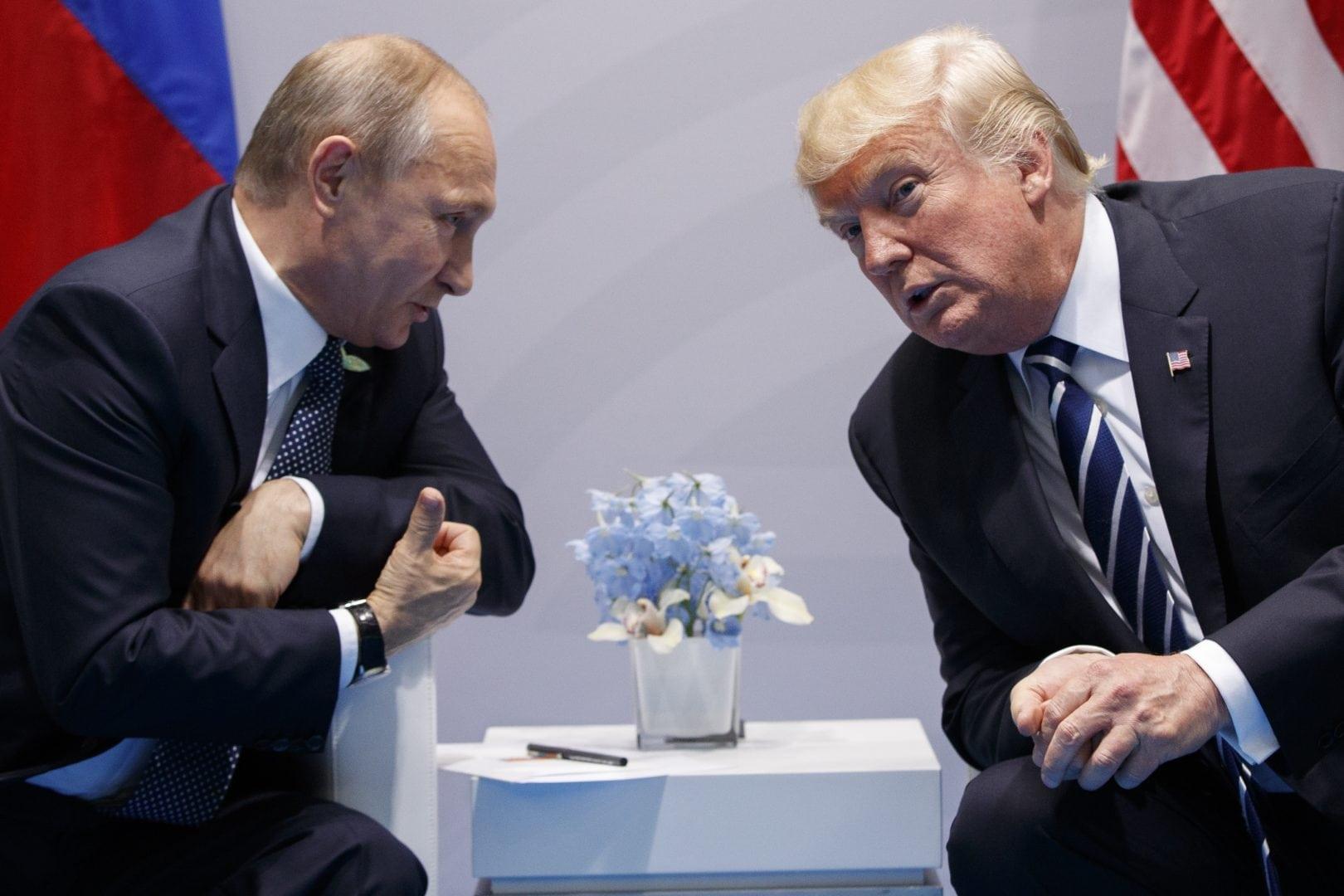
The Future of U.S.-Russia Relations Through the Libyan Lens
The shifting dynamics of U.S.-russia relations are increasingly reflected in their respective strategies in Libya, a country rife with conflict and competing interests. As both nations seek to exert influence in North Africa, Libya serves as a crucial battleground where geopolitical ambitions interplay. The U.S. aims to counter Russian engagement through diplomatic initiatives and support for the United Nations’ role in stabilizing the region, while Russia has capitalized on instability to expand its footprint, offering military and economic support to factions aligned with its interests. This geopolitical tug-of-war highlights how libya’s internal strife is entwined with broader East-West rivalries.
In this complex scenario, the reactions of various actors and their consequences warrant close examination. Consider the following elements shaping this competition:
- Military Involvement: Both countries have been involved in arms sales and military cooperation with different Libyan factions.
- Energy interests: Libya’s oil resources attract significant attention, with the U.S. advocating for transparency and Russia potentially leveraging deals for its gain.
- Regional Alliances: The roles of neighboring countries, such as Egypt and Turkey, complicate the U.S.-Russia rivalry.
| Factor | U.S. Stance | Russia’s Approach |
|---|---|---|
| Factions Supported | GNA (Government of National Accord) | LNA (Libyan National Army) |
| Engagement Strategy | Diplomatic channels, support for UN | Military support and mercenaries |
| Energy Policy | Promote diversification and stability | Secure energy contracts |
To Wrap It Up
Libya’s geopolitical landscape has become a focal point for U.S.-Russia rivalry, reflecting broader global power dynamics and the ongoing struggle for influence in the region. As both nations maneuver to solidify their positions through diplomatic engagements, military support, and economic interests, the consequences are likely to reverberate beyond Libya’s borders. The complex interplay of local factions, regional aspirations, and international ambitions underscores the need for careful monitoring and analysis of this unfolding scenario.as Libya continues to navigate its path towards stability, the involvement of external powers will undoubtedly shape not only its future but also the broader contours of strategic competition in the Mediterranean and beyond. Understanding these dynamics is crucial for policymakers and scholars alike as they seek to navigate the intricate web of interests at play in this pivotal North African nation.