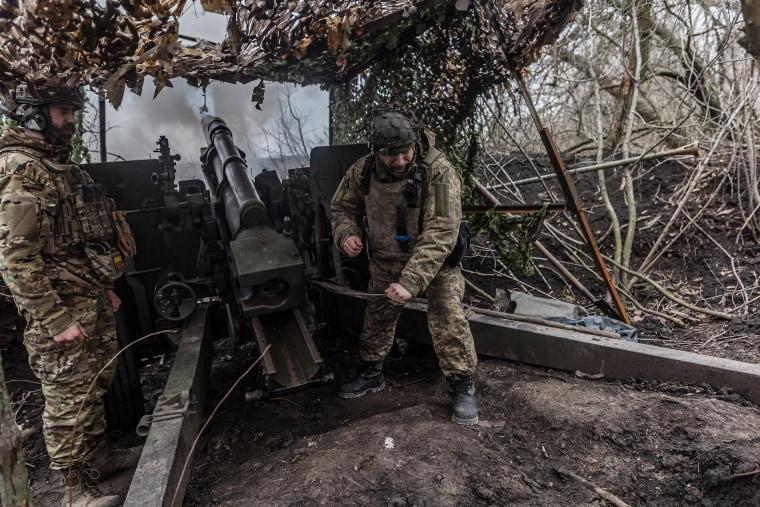
In a significant geopolitical maneuver, Russia is set to enhance its military assistance to the junta-led governments of Mali, Niger, and Burkina Faso.This development comes amid a backdrop of escalating security challenges in the Sahel region,where militant groups and insurgencies have been on the rise. As Western influence wanes following a series of coups, Moscow’s increased military support aims to fortify these nations’ defense capabilities, potentially reshaping the power dynamics in West Africa. This article delves into the implications of Russia’s expanding footprint in the region, examining the strategic interests at play for both Moscow and the Sahelian states as they navigate a complex landscape of security, sovereignty, and international relations.
Russia’s Strategic Military Engagement in West Africa: An Overview

In a significant move indicating its widening influence in West Africa, Russia has announced plans to bolster military support to the ruling juntas of mali, Niger, and Burkina Faso. This strategic engagement underscores Russia’s commitment to cementing partnerships in a region plagued by instability and security challenges.Military aid has become a cornerstone of Russia’s foreign policy, as it positions itself as an choice influencer amidst the withdrawal of Western forces and their diminishing presence in the Sahel region. The assistance is intended not only to enhance the military capability of these nations but also to foster political allegiance and counteract Western narratives.
This expanding military cooperation comes after a series of coups across the region, leading these nations to seek out non-Western aid in a bid to address insurgencies and terrorist threats. Key components of Russia’s support may include:
- Military training and advisory support to enhance local forces’ operational capabilities.
- Supplies of arms and ammunition to ensure that these forces are better equipped for combat situations.
- Intelligence sharing to improve situational awareness and counter-terrorism operations.
This strategic partnership reflects a broader trend of shifting alliances in the region,where Russia has stepped in to fill the vacuum left by the retreat of French and American military engagements. The geopolitical implications are profound, as these alliances could alter the security landscape of West Africa, enhancing Russian influence while potentially complicating relations with Western powers.
| Country | Type of Military Aid | Strategic Importance |
|---|---|---|
| Mali | Armaments and training | Countering jihadist threats |
| Niger | Intelligence support | Security cooperation against insurgents |
| Burkina Faso | Advisory support | Strengthening local military |
The geopolitical Landscape: Russia’s Moves Versus Western Influence in Africa
The recent announcement of increased military assistance from Russia to the junta-led governments of mali,Niger,and Burkina Faso signifies a strategic pivot in Africa’s geopolitical landscape. This military aid is highly likely to bolster the capabilities of these regimes,which have been under pressure from escalating militant activities and internal unrest. As these nations search for security partnerships beyond traditional Western allies,Russia seeks to establish its influence in a region where it has historically had limited presence. This development is emblematic of a broader trend where African nations are re-evaluating their alliances, often turning to Russia for military support and training, as evidenced by recent arms deals and troop deployments.
Amid this shift, Western nations are grappling with declining influence in the Sahel region. The increased Russian military support highlights a growing competition for influence, with both sides aiming to secure strategic partnerships.Key points emerging from this geopolitical struggle include:
- Resource Access: Both Russia and Western nations are vying for access to vital resources and strategic trade routes.
- Security Cooperation: Military aid packages frequently enough come hand-in-hand with security agreements that may favor the aiding nation.
- Political Stability: Russia’s involvement could lead to shifts in governance structures, as regional leadership looks for alliances that provide them with more leeway against Western scrutiny.
To illustrate the shifting alliances in this context, the following table depicts key players and their military aid commitments:
| Country | Military Aid Source | Type of Support |
|---|---|---|
| Mali | Russia | Weapons and training |
| Niger | Russia | Military equipment |
| Burkina Faso | Russia | Advisory personnel |
| Mali | France | Counter-terrorism training |
| niger | USA | Logistical support |
Recommendations for Regional Stability: Balancing Military Aid and Diplomatic Efforts
To ensure long-term peace and stability in the Sahel region, it is imperative to adopt a multi-faceted approach that carefully balances military assistance and diplomatic initiatives. While military aid,especially from nations like Russia,may initially bolster security forces in countries such as Mali,Niger,and Burkina Faso,it is essential to recognise the potential for such support to escalate tensions and foster resentment among civilian populations. Diplomatic engagement provides a necessary counterbalance,promoting dialog and cooperation among regional powers,while focusing on addressing the underlying causes of instability—such as poverty,governance issues,and the absence of effective public services.
Stakeholders must prioritize the following strategies to achieve enduring regional stability:
- Investment in Governance: Strengthening democratic institutions and promoting the rule of law can counteract the narratives that extremist groups exploit.
- Community Engagement: Involving local communities in both security planning and broader development initiatives ensures that military support complements social needs.
- Cross-Border Cooperation: Enhancing collaboration between neighboring countries can lead to more effective responses to transnational threats.
- Security Sector Reform: Emphasizing accountability and human rights within security forces to build trust between the military and civilians.
A detailed look at the implications of military aid versus diplomatic outreach can be summarized in the table below:
| Approach | Potential Benefits | Risks |
|---|---|---|
| Military Aid | Immediate enhancement of security capabilities | Risk of alienating local populations |
| Diplomatic Efforts | Long-term conflict resolution through dialogue | Slower impact on urgent security threats |
Future Scenarios: what Russia’s Military Presence Means for West African Security
The increasing military assistance to the junta-led regions of Mali, Niger, and Burkina Faso reflects a significant shift in the geopolitical landscape of West Africa. As Russia enhances its military presence, countries in the region could expect a range of potential outcomes.Experts suggest that the strengthening of ties between these nations and Russia may lead to a reconfiguration of security dynamics, potentially sidelining Western influence. Key elements influencing this shift include:
- Weapon Supply: Increased access to modern weaponry could empower local regimes, reinforcing their authority and potentially escalating regional conflicts.
- Counter-Terrorism Efforts: Russian assistance may bolster the capacity of these governments to combat insurgencies, albeit raising concerns over the methods employed.
- Geopolitical Alliances: These developments might foster a new axis of power in West africa, challenging existing alliances with Western nations.
Tho, there are also implications for stability in the region that cannot be overlooked. Increased military aid might embolden authoritarian practices among these governments, leading to human rights violations and domestic unrest. Furthermore, the potential for a proxy contest between Russia and Western powers could destabilize the region further. The potential ramifications include:
| Potential Ramifications | Impact on Regional Security |
|---|---|
| Increase in Authoritarianism | higher likelihood of civil unrest and human rights abuses |
| Proxy Conflicts | Escalation of tensions between Russia and Western nations |
| Military Escalation | Potential arms race in the region |
In Retrospect
Russia’s decision to increase military support to the junta-led governments of Mali, Niger, and Burkina Faso underscores a significant shift in geopolitical dynamics in West Africa. As these nations grapple with internal security challenges and threats from extremist groups, Moscow’s intervention could have profound implications for regional stability and international relations. The growing influence of russia in a region traditionally dominated by Western powers raises questions about future alignments and the effectiveness of their respective strategies.As the situation evolves, the international community will be closely monitoring how this increased military aid impacts local governance, security, and the broader quest for peace in the Sahel. Continued scrutiny and dialogue will be essential as these developments unfold, highlighting the intricate balance of power in one of Africa’s most contested regions.