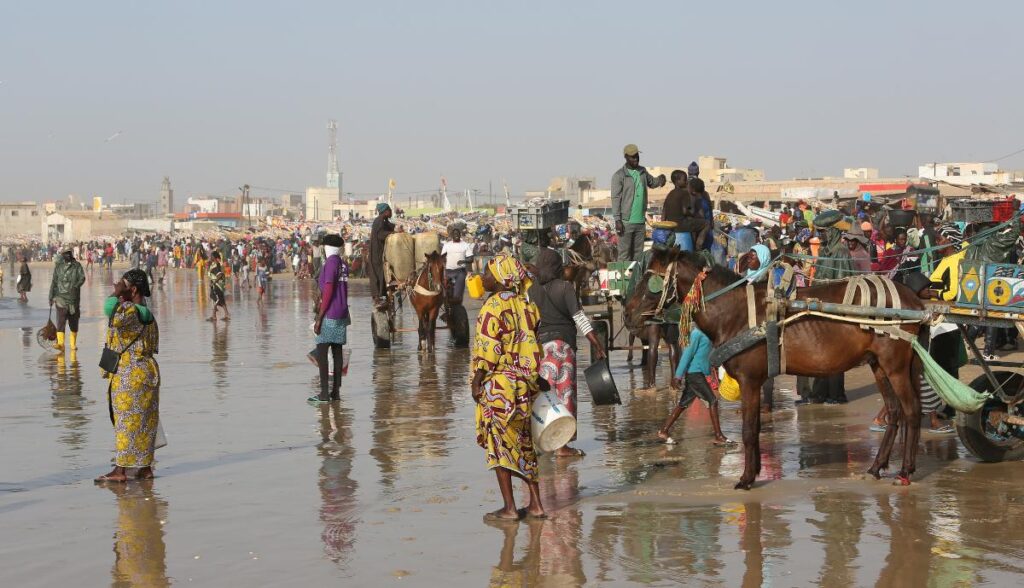
As the echoes of colonial history continue to shape contemporary relationships, Senegal stands at the forefront of a significant geopolitical shift in West Africa. The recent withdrawal of French troops, a move that symbolizes the end of an era of military cooperation rooted in colonial ties, has prompted a broader reassessment of France’s influence across the region. In an evolving landscape where national sovereignty and regional identity are increasingly prioritized, Senegal’s actions reflect a critical turning point in its relationship with its former colonial power. This article delves into the implications of France’s military exit, the response from Senegal and its neighbors, and the broader context of post-colonial dynamics in West Africa as countries seek to redefine their identities and alliances in a rapidly changing world.
Senegal’s Shift: Understanding the departure of French Troops


The recent withdrawal of French troops from Senegal marks a significant pivot in the dynamic between former colonial powers and their erstwhile territories. This move reflects a wider reassessment of colonial legacies across West Africa,where nations are increasingly prioritizing sovereignty and self-determination over ancient ties. French military presence, once viewed as a stabilizing force in the region, is now seen by many as a reminder of past injustices and neo-colonialism. The decision to withdraw has been met with mixed reactions, signalling a complex landscape of public sentiment regarding these enduring relationships.
Amidst this backdrop, several factors contribute to Senegal’s evolving stance on colonial ties:
- Nationalism: Rising nationalist sentiments have fueled calls for independence from colonial influences.
- Security Dynamics: The changing security environment, with new threats emerging from terrorism and organized crime, necessitates a shift in military strategy.
- Regional Cooperation: West African nations are increasingly seeking collaborative security frameworks, reducing reliance on former colonial powers.
- Public Perception: Growing discontent with the effects of colonialism influences public opinion on military presence.
| Factors Influencing Shift | Impact |
|---|---|
| Nationalism | strengthening calls for autonomy |
| Security Dynamics | Redefining military alliances |
| regional Cooperation | Fostering intra-African security partnerships |
| Public Perception | Shifting attitudes towards foreign military presence |
Reexamining Colonial legacies in West Africa

The departure of French troops from Senegal marks a pivotal moment in the ongoing reevaluation of historical colonial relationships in West Africa. For decades, French military presence was justified as a stabilizing force, yet this narrative has begun to shift dramatically. As the region grapples with its colonial past, various nations are reconsidering the implications of foreign military alliances. This reassessment is not merely about political autonomy; it reflects a deeper desire for citizens to reclaim their identities and narratives, moving forward free from colonial imprints.
Several factors have spurred this shift in perspective:
- nationalism: Increasing pride in local cultures and histories has ignited discussions surrounding sovereignty.
- Self-determination: A growing insistence on crafting autonomous paths for national advancement, free from external influences.
- Historical Inquiry: Renewed interest in understanding the consequences of colonial policies has galvanized public opinion against lingering colonial ties.
| Country | French Troop Withdrawal Timeline |
|---|---|
| Senegal | 2023 |
| Mali | 2022 |
| Burkina Faso | 2023 |
Impact on Regional Security and Stability in the Sahel
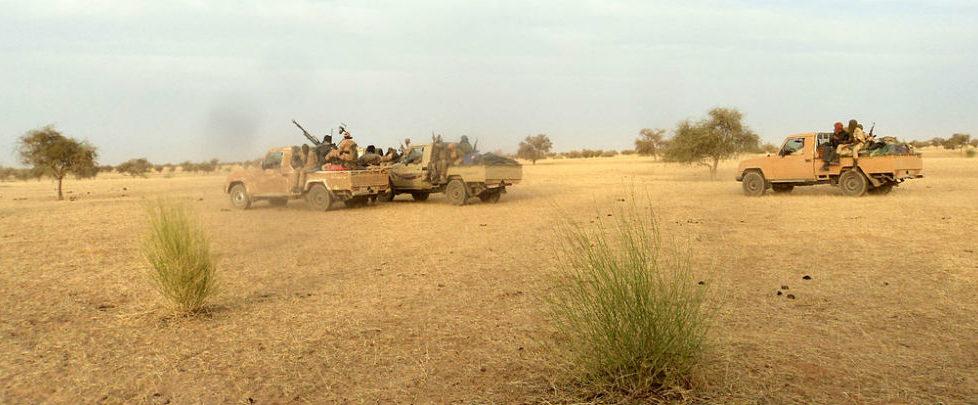
the recent withdrawal of French troops from Senegal signifies not just a shift in military presence but also a potential recalibration of security dynamics across the Sahel region. This realignment is occurring against a backdrop of increasing insurgent activity, with extremist groups exploiting local grievances and weak governance structures.As the French military, long seen as a stabilizing force, steps back, there is growing concern over how regional governments will address the security vacuum left behind. Countries such as Mali, Burkina Faso, and niger have already witnessed significant unrest and instability, raising urgent questions about the future of collective security efforts in the region.
To counterbalance the impact of France’s departure, several regional and international players are reevaluating their strategies.Here are some considerations on the evolving security landscape:
- Regional Cooperation: Nations within the Economic Community of West African States (ECOWAS) are likely to intensify collaboration to address shared threats.
- Increased Military Spending: With uncertainties looming,countries may boost their defense budgets to enhance local capacities.
- Engagement with option Partners: Countries may seek partnerships with other military powers, such as the U.S. or Russia, to fill the void.
- Community-Level Resilience: Local communities might play a crucial role in reinforcing security through grassroots initiatives.
In this evolving scenario,the potential for instability and conflict is significant,highlighting the need for coherent,forward-thinking policies. Analyzing the complex geopolitical relationships and adapting to emerging realities will be essential for maintaining peace and stability in the Sahel. Observers are keenly watching how local governance, community trust, and international partnerships will adapt in response to these changes.
Emerging Collaborations: Local Forces and International Partnerships

The recent withdrawal of French troops from Senegal signals a seismic shift in the dynamics of military and diplomatic relationships in West Africa. As the region grapples with its colonial legacy, new collaborations are emerging that prioritize local agency and foster international partnerships rooted in mutual respect. In this context, West African nations are increasingly seeking alliances that reflect their own strategic interests rather than those imposed by former colonial powers. These collaborations focus on various sectors, including:
- Security Cooperation: Enhanced collaborations among West African nations to address regional threats.
- Economic Partnerships: Joint ventures that promote enduring development and economic independence.
- Cultural Exchanges: Initiatives aimed at fostering understanding and solidarity among varied communities.
In this evolving landscape, countries such as Senegal are also engaging with non-western powers, exploring opportunities that transcend the conventional frameworks of their colonial relationships. For instance, collaboration with nations in Asia and the Middle East is becoming increasingly prevalent, reflecting a broadening of strategic horizons. This shift is manifested in various forms,including:
| Partner Nation | Focus Area | Impact |
|---|---|---|
| China | Infrastructure Development | Increased investment in transportation and energy |
| Turkey | Security Training | Enhanced capabilities in counter-terrorism efforts |
| India | Agriculture Technology | Improved food security through modern farming techniques |
The confluence of these local initiatives and global partnerships underscores a new chapter for West Africa,where the emphasis is placed on sovereignty and collaborative growth. By redefining these relationships, senegal and its neighbors are not only reshaping their geopolitical landscape but also crafting a narrative that positions them as active players on the world stage, rather than passive recipients of foreign influence.
The Role of Public Sentiment in Shaping Foreign Policy Decisions

Public sentiment has emerged as a powerful force driving the recent departure of French troops from Senegal, reflecting a broader reassessment of post-colonial relationships in West Africa. As the legacies of colonialism continue to influence contemporary politics, the views of local populations have become increasingly critical to shaping foreign policy decisions. Key factors include:
- National Identity: A rising sense of nationalism among Senegalese citizens has fueled calls for greater autonomy and a reevaluation of historical ties with former colonial powers.
- Social Media Influence: With the advent of social media platforms, public opinion can swiftly mobilize, allowing citizens to express discontent regarding foreign military presence and advocate for a new direction in foreign diplomacy.
- Grassroots Movements: Activist groups have gained traction, demanding obvious dialogue about foreign military engagements and their implications on national sovereignty.
The transformation of public sentiment is echoed in policy shifts across the region, where governments are increasingly attuned to the voices of their constituents.In response, diplomatic strategies might potentially be recalibrated to prioritize mutual respect and partnership over dominance. A comparative analysis of attitudes toward foreign military presence in West Africa versus other regions reveals engaging insights:
| Region | public Support for Military Presence | Impact on Diplomacy |
|---|---|---|
| West Africa | Decreasing | Calls for non-interference |
| East Africa | Mixed | Strategic partnerships |
| Southern Africa | Stable | Continued collaboration |
Recommendations for a Future Beyond Colonial influence

As nations in West Africa seek to redefine their identities apart from colonial legacies, several strategies emerge that highlight self-determination and local empowerment. Investing in education and fostering cultural pride are crucial steps towards building resilient societies. By promoting indigenous knowledge and languages, countries can cultivate a stronger sense of identity. additionally,encouraging entrepreneurship through government support and policies can help bolster local economies,reducing dependence on foreign influence.
Moreover, enhancing regional cooperation through organizations like ECOWAS is vital in creating a unified front against external pressures. Diplomatic ties that prioritize mutual respect and benefit should replace outdated patronage relationships. This may involve:
- Strengthening trade agreements with neighboring countries
- Increasing investments in technology and infrastructure
- Promoting cultural exchanges that celebrate African heritage
By harnessing these approaches, West African nations can confidently navigate a future that honors their history while embracing their sovereignty.
In Summary
As Senegal embarks on a new chapter marked by the departure of French troops, the shifting dynamics in West Africa highlight a broader re-evaluation of colonial legacies and relationships. The evolving sentiment among citizens and leaders alike reflects a growing desire for sovereignty and self-determination, urging nations in the region to redefine their future on their own terms. This pivotal moment not only underscores the complexities of post-colonial identity but also sets the stage for dialogues surrounding security, cooperation, and regional unity. As West African countries navigate these changes, the implications for international partnerships and local governance will remain critical to watch. The departure of French troops may signal the end of an era, but it also opens the door for new possibilities as the region works toward a more independent and cohesive identity.