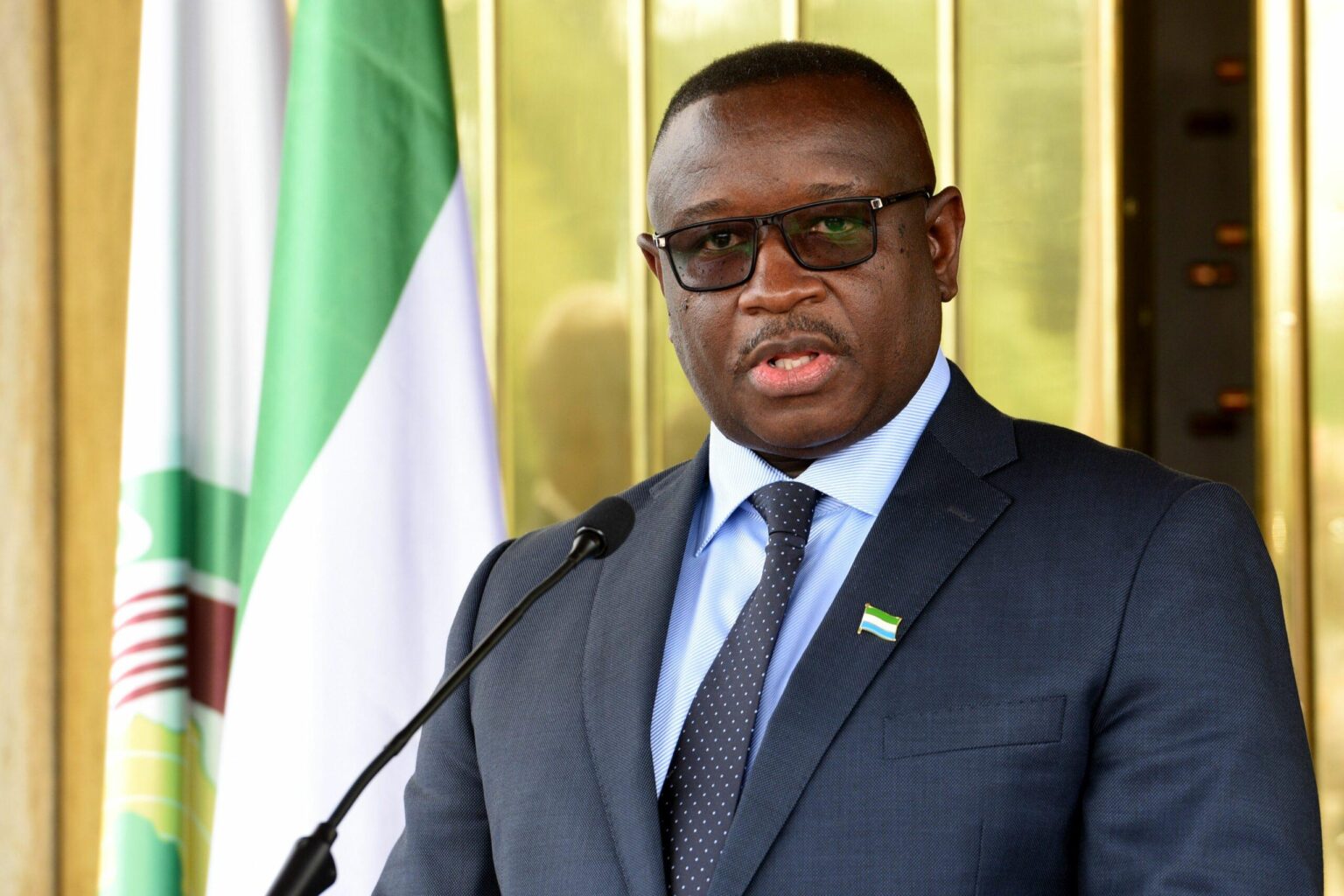
In recent years, the discourse surrounding Africa’s representation in global governance has intensified, notably within the corridors of power at the United Nations Security Council (UNSC). As one of the continent’s most prominent leaders, the President of Sierra Leone has emerged as a compelling voice advocating for a more equitable allocation of decision-making power in a body long criticized for its lack of inclusivity. This article explores the inherent challenges and pressing questions surrounding Africa’s representation at the UNSC—most notably, when the continent will receive the voice it deserves in matters that profoundly effect its nations. In examining the historical context, current dynamics, and the urgent calls for reform, we seek to illuminate the intersection of international diplomacy and Africa’s political aspirations, ultimately aiming to determine the pressing timeline for actionable change.

The Role of Sierra Leone’s Leadership in Advocating for Africa’s Representation
The leadership of Sierra Leone plays a vital role in propelling the continent’s aspirations for equitable representation on global platforms,particularly within the United Nations Security Council (UNSC). The urgency for African voices to be amplified in decision-making bodies is underscored by the unique challenges the continent faces, which can substantially differ from those in other regions. President Julius Maada Bio’s commitment to advocating for reforms that ensure Africa’s inclusion in vital discussions highlights the need for a united front among African nations. His administration actively engages in dialogues aiming to increase both the visibility and influence of African countries at the international level.
To foster a sense of accountability and urgency, it is crucial for Sierra Leone’s leadership to spearhead initiatives that resonate across the continent, emphasizing collaboration and collective action. This can be achieved through:
- Partnership Building: Enhancing relationships with other African nations to strengthen a collective voice.
- International Advocacy: Engaging with global leaders and organizations to highlight Africa’s perspectives and needs.
- Capacity Progress: Investing in leadership training that equips future leaders with the skills needed to represent our interests effectively.
By championing Africa’s cause, Sierra leone has the potential to influence key reforms within the UNSC, ensuring that the continent’s unique perspectives are presented and heard in critical global discussions.
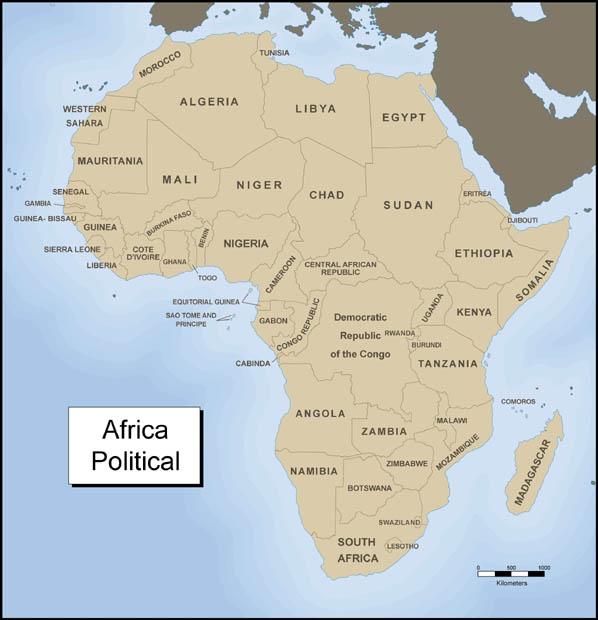
Challenges Faced by African Nations in the United Nations Security Council
The role of African nations within the united Nations Security Council (UNSC) is often marred by a myriad of challenges that hinder their ability to influence global decision-making effectively. Despite representing a significant portion of the UN’s membership, African countries face systemic issues such as underrepresentation and limited influence on major discussions. The UNSC’s permanent membership is dominated by nations outside Africa, resulting in a power dynamic that frequently sidelines African interests and perspectives. This structural imbalance underscores the necessity for reform, highlighting the demand for a more equitable distribution of power to ensure that African voices are adequately heard on critical security matters.
Moreover,the challenges are compounded by political instability,economic constraints,and the lingering effects of colonialism that affect many African nations. These factors frequently enough render it difficult for African countries to present a united front within the UNSC or to advocate effectively for their collective needs.for instance, internal conflicts, coupled with varying national priorities, create fragmentation in representation, leading to decisions made by the Council that do not reflect the realities faced by nations on the ground. To illustrate these disparities, a table below summarizes key issues impacting African nations within the UNSC context:
| Challenge | Description |
|---|---|
| Underrepresentation | Very few African nations hold permanent seats in the UNSC, limiting their influence. |
| Political Instability | Frequent conflicts and political turmoil undermine cohesive representation. |
| Lack of Resources | Economic limitations hinder participation in peacekeeping and negotiations. |
| Fragmentation | Diverse national priorities lead to ineffective collective advocacy. |

The Importance of a United African Voice in global Decision-Making
The quest for a unified African voice in global decision-making is not merely a matter of representation but an essential requirement for addressing the continent’s unique challenges. Africa’s diversity,with its rich tapestry of cultures and histories,must translate into a singular,coherent perspective at international forums. This unity would enable African nations to tackle critical issues such as climate change, security threats, and economic instability with a collective strength that emphasizes collaboration over fragmentation. A united front in organizations like the United Nations would amplify Africa’s demands for equitable resource distribution and sustainable development, fostering an environment where african solutions are prioritized in discussions that disproportionately impact the continent.
Moreover, the historical marginalization of Africa within global institutions highlights the urgent need for reform. Key benefits of a united African voice in global decision-making include:
- Enhanced negotiation power: A cohesive African bloc would hold greater sway in negotiations, ensuring that the continent’s interests are safeguarded.
- Increased visibility of African issues: A unified stance would spotlight issues pertinent to Africa, driving policy changes that reflect the continent’s needs.
- Fostering regional cooperation: Collaboration among African nations can lead to strengthened ties, shared resources, and innovative solutions.
As discussions about reforms within the United Nations Security Council gain momentum, now is the time for African nations to challenge the status quo. Promoting a collective African agenda will not onyl empower the continent but also contribute meaningfully to global governance, bringing diverse perspectives to the table and ensuring that Africa’s voice is resounding, respected, and impactful.

Recommendations for Enhancing African Influence within the UN Framework
To amplify Africa’s voice in the united Nations framework, strategic and concerted efforts must be undertaken.African nations should prioritize establishing a unified front in their approach to the UN, advocating for reforms that recognize the continent’s growing geopolitical importance. One key recommendation is to foster greater collaboration among African countries in the UN general Assembly to ensure a cohesive stance on issues that affect the continent. Additionally, countries should leverage existing regional organizations, such as the African Union, to champion collective interests, thereby enhancing their negotiating power in international forums.
Investment in diplomatic training and capacity building for African representatives can equip them with the necessary skills to effectively communicate and advocate for African concerns. Furthermore, establishing strategic partnerships with other global powers and influential blocs can help amplify Africa’s influence. Collaboration with non-African nations on global issues like climate change, security, and human rights can create a platform for African voices to be heard. Below is a summary of actionable steps for enhancing african influence:
| action Item | Description |
|---|---|
| Unified Representation | Coordinate positions in the UN General Assembly. |
| Capacity Building | Invest in diplomatic training and education. |
| Regional Solidarity | Utilize the African Union for unified action. |
| International Partnerships | Collaborate with key global powers to voice concerns. |
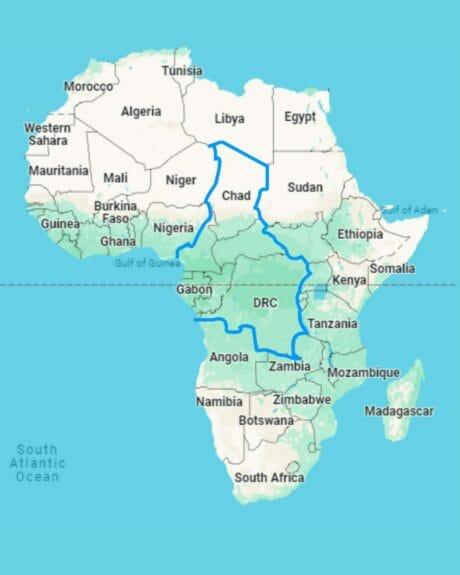
The Future of Africa in International Affairs: Strategies for Empowerment
As Africa continues to assert its presence on the global stage, the imperative for a stronger voice within international institutions becomes increasingly paramount. The United Nations Security Council (UNSC) has often been criticized for its structural limitations, notably its inability to adequately represent the African continent’s diverse interests. To navigate this landscape effectively, African nations must adopt a multifaceted approach that prioritizes diplomatic engagement, regional partnerships, and economic collaboration. This strategic repositioning involves embracing collective bargaining and leveraging resources to influence global policies that directly affect the continent.
Key strategies for empowerment could include:
- enhancing Regional integration: Expanding initiatives like the African Continental Free Trade Area (AfCFTA) to foster economic unity and leverage trade power.
- Strengthening Voices of Civil Society: Mobilizing non-governmental organizations and grassroots movements to advocate for Africa’s interests in international forums.
- Advocacy for Reforms in the UNSC: Collaborating with like-minded nations to push for a reformed Security Council that includes permanent African representation.
| Strategy | Action Required |
|---|---|
| Regional Integration | Encourage trade agreements and collaborative projects. |
| Civil Society Engagement | Support grassroots activism and advocacy initiatives. |
| UNSC Reform | Form coalitions to lobby with member states. |
A Call to Action: mobilizing Global Support for African Representation
The time has come for a united front to advocate for the representation of African nations within the United Nations Security Council. The current structure fails to reflect the demographic realities and political complexities of our global community. A stronger and more inclusive dialog is essential,and we must rally support from our international partners through various means,including:
- global Awareness Campaigns – Leverage media platforms to share stories and insights about African nations’ contributions to global peace and security.
- Strategic Alliances – Forge partnerships with other nations and organizations that champion equitable representation in international bodies.
- Advocacy Initiatives – Mobilize grassroots movements that encourage citizens worldwide to advocate for African voices in key discussions.
It is indeed essential to shift the narrative and empower a new generation of leaders who can represent not only their countries but also the continent as a whole. By creating a multifaceted coalition, we can amplify our demands and ensure that African voices are not just heard but actively shape global policy. Below is a proposed framework to highlight key action points that each stakeholder can undertake:
| Action Item | Responsible parties | Timeline |
|---|---|---|
| Engage in public forums | Government officials, NGOs | Ongoing |
| Lobby for reform at UN | Diplomatic missions | 6 months |
| Conduct research and publish findings | Academic institutions | 3 months |
Concluding Remarks
the call for greater representation of Africa within the United Nations Security Council is not just a regional concern but a vital global issue. As the President of Sierra Leone has articulated, the voices of African nations must be amplified in international discussions that significantly affect their futures. The dialogue around reforming the Security Council is gaining momentum, yet concrete actions remain elusive. It is essential for the international community, especially powerful nations, to recognize that inclusive representation can lead to more equitable and effective solutions to global challenges. Only by ensuring African voices are heard can we pave the way for a more balanced and just world order. As we continue to monitor this critical issue, the hope is that genuine progress will soon follow rhetoric, allowing African nations to take their rightful place in global governance.