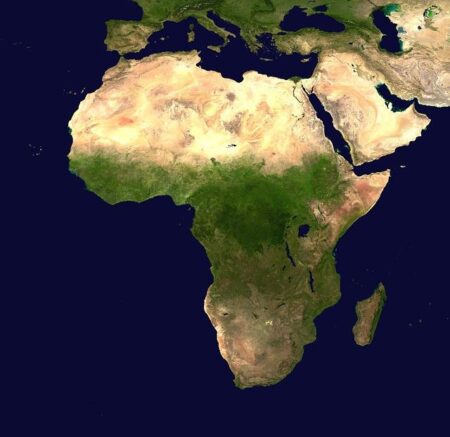
The United Nations High Commissioner for Refugees (UNHCR) has released its latest update on the humanitarian situation in Burundi, highlighting the ongoing challenges faced by displaced populations in Eastern and Southern Africa. As of 31 October 2025, the Regional Bureau for Eastern and Southern Africa reports a significant number of individuals registered as refugees and asylum seekers originating from Burundi. This latest data, published via ReliefWeb, underscores the persistent displacement triggered by political instability, economic hardship, and social unrest in the region. The evolving numbers provide critical insight into the scope of the crisis and the urgent need for coordinated international assistance to support vulnerable communities affected by the Burundi situation.
Regional Bureau for Eastern and Southern Africa Addresses Escalating Burundi Displacement Crisis
The Regional Bureau for Eastern and Southern Africa has intensified its response amid a sharp rise in displacement affecting Burundi and neighboring countries. Current assessments reveal that over 420,000 individuals have been forcibly uprooted due to escalating conflict and political instability, with the majority seeking refuge across borders. The bureau continues to coordinate with local governments, humanitarian organizations, and UNHCR partners to deliver urgent protection and life-saving assistance, focusing on shelter, health services, and food security.
Key priorities outlined in the ongoing response include:
- Safe and dignified access to asylum for displaced persons
- Expanded shelter and infrastructure in host communities
- Enhanced psychosocial support for trauma-affected populations
- Strengthening local capacity through training and resources
| Category | Number of People | Percentage |
|---|---|---|
| Burundian Refugees in Tanzania | 180,000 | 43% |
| Internally Displaced Persons (IDPs) in Burundi | 160,000 | 38% |
| Others in Surrounding Countries | 80,000 | 19% |
Analyzing Population Trends and Humanitarian Needs in Burundi’s Refugee Communities
Recent data collected up to 31 October 2025 reveals significant shifts in the demographic landscape of Burundi’s refugee communities. The population of concern to UNHCR has seen a steady increase, influenced by ongoing conflict and socio-economic instability in Burundi and neighboring regions. Notably, younger age groups constitute a growing majority, emphasizing the urgent need for expanded educational and healthcare services. Displacement patterns indicate predominantly rural-to-urban migration within host countries, complicating access to essential support structures and increasing vulnerabilities.
Key humanitarian challenges facing these populations include:
- Limited access to clean water and sanitation facilities amid overcrowded settlements
- Heightened food insecurity exacerbated by climatic shocks affecting agricultural livelihoods
- Increased demand for mental health and psychosocial support, particularly among youth
- Protection risks linked to gender-based violence and exploitation
| Population Segment | Estimated Numbers | Primary Needs |
|---|---|---|
| Children (0-17 years) | 145,000 | Education, Nutrition |
| Women & Girls | 130,000 | Protection, Health Services |
| Adults (18-59 years) | 170,000 | Livelihoods, Mental Health |
| Elderly (60+ years) | 20,000 | Medical Care, Social Support |
Strategic Recommendations for Enhancing Protection and Support to Vulnerable Groups in Burundi
To significantly improve the well-being of vulnerable populations in Burundi, it is crucial to implement a multifaceted approach that prioritizes accessibility, inclusivity, and sustained engagement. Strengthening community-based protection mechanisms can empower local actors to identify at-risk individuals swiftly and mobilize resources efficiently. Encouraging partnerships between government entities, UN agencies, and civil society organizations will ensure that interventions are context-specific and culturally sensitive. Additionally, bolstering legal frameworks to safeguard the rights of refugees, internally displaced persons, and marginalized groups remains imperative, especially in conflict-prone regions.
Resource allocation must also be revised with a clear focus on long-term resilience rather than short-term relief. Investments in education, healthcare, and livelihood programs designed for vulnerable demographics can foster self-reliance and social cohesion. Practical steps include:
- Expanding mobile health clinics to reach remote communities
- Implementing targeted psychosocial support services
- Designing inclusive educational curricula addressing trauma and resilience
- Facilitating vocational training that matches local market demands
| Area | Recommended Action | Expected Impact |
|---|---|---|
| Protection | Community monitoring networks | Early threat detection |
| Health | Mobile clinics | Improved access |
| Education | Trauma-sensitive programs | Retention & recovery |
| Livelihoods | Vocational training | Economic independence |
Key Takeaways
As the humanitarian situation in Burundi continues to evolve, the Regional Bureau for Eastern and Southern Africa remains vigilant in monitoring the needs of affected populations. With over [insert latest figure] individuals registered as persons of concern to UNHCR by 31 October 2025, the agency underscores the urgent need for sustained international support and coordinated response efforts. Moving forward, addressing displacement, protection, and access to essential services will be critical to alleviating the plight of vulnerable communities in the region. Stakeholders are called upon to strengthen collaboration and resource mobilization to ensure comprehensive assistance reaches those most in need.