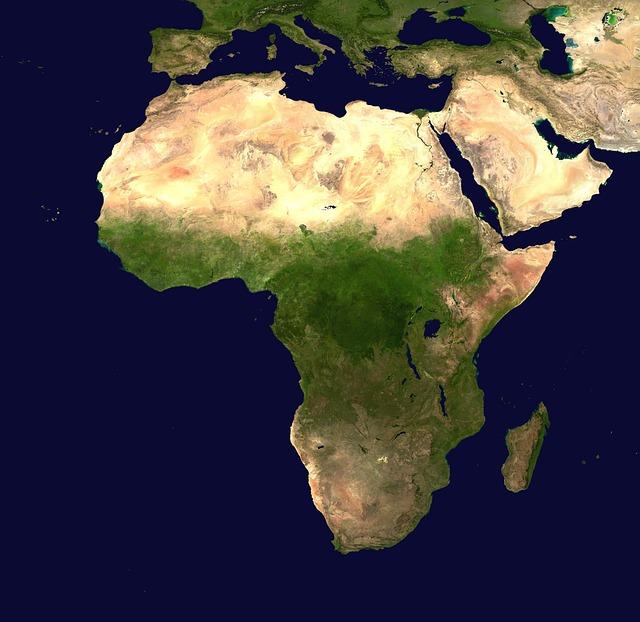
In a dramatic turn of events that has captured international attention, Guinea-Bissau finds itself at a crossroads following a recent coup that has shaken the nation to its core. The military takeover, which unfolded amid rising political tensions and instability, raises critical questions about governance, security, and the prospects for democratic renewal in this small West African country. As the dust settles on the capital of Bissau, analysts and citizens alike are left to ponder not only the immediate implications of this upheaval but also the broader significance for the region and the international community. In this article, we delve into the events that led up to the coup, explore its ramifications, and assess what the future may hold for Guinea-Bissau in this tumultuous time.
Guinea-Bissau Coup: An Overview of the Recent Power Shift and Its Implications
The recent coup in Guinea-Bissau has sparked widespread concern both domestically and internationally, raising questions about the political stability of the West African nation. The military intervention followed escalating tensions within the government, notably after the dismissal of key military figures by President Umaro Sissoco Embaló. Key factors leading to the coup include:
- Political Instability: A history of political turbulence has plagued the country, with frequent changes in leadership and an ongoing struggle between various factions.
- Economic Challenges: A struggling economy exacerbated by external pressures has fueled public discontent and dissatisfaction with the current administration.
- Military Influence: The military has historically played a significant role in Guinea-Bissau’s politics, often stepping in when the civilian government faces crises.
As the country navigates this power shift, implications for governance and regional stability are becoming apparent. Observers worry that the coup could lead to a reversion to military rule, undermining democratic processes and hindering progress in governance reforms. Important concerns include:
| Concerns | Potential Outcomes |
|---|---|
| Human Rights Violations | Increased military crackdowns on dissent |
| International Relations | Possible sanctions and diplomatic isolation |
| Economic Repercussions | An exacerbation of poverty and unemployment |
The Impact of the Coup on Regional Stability and International Relations
The recent coup in Guinea-Bissau has sent shockwaves through West Africa, challenging the fragile balance of power in a region already plagued by political instability. The immediate aftermath of the takeover has raised concerns about a potential cycle of violence and governance crises. Observers note that the coup could embolden other factions within the region, leading to an environment where military interventions become increasingly normalized. Furthermore, the risk of heightened tensions between neighboring countries reinforces fears of border conflicts, as various local militia groups may exploit the situation to pursue their agendas. The deterioration of political order could also hinder efforts against illicit activities, including drug trafficking and organized crime.
Internationally, the coup presents a complex dilemma for diplomatic relations and global policy regarding governance and security in West Africa. Key players such as the Economic Community of West African States (ECOWAS) and the African Union are now faced with urgent decisions about sanctions and intervention. The coup could jeopardize foreign aid and economic support, particularly from Western nations who prioritize democratic governance as a precondition for assistance. The international community must weigh the potential for increased instability against the need for a coordinated response that encourages a return to democratic norms while avoiding heavy-handed measures that might exacerbate tensions.
| Key Players | Response Options |
|---|---|
| ECOWAS | Implement sanctions, mediate dialogue |
| African Union | Dispatch peacekeepers, support democratic transitions |
| Western Nations | Review foreign aid, push for diplomatic resolutions |
| Local Civil Society | Advocate for human rights, promote grassroots movements |
Navigating the Future: Recommendations for Political Reconciliation and Sustainable Governance in Guinea-Bissau
The path towards political reconciliation and sustainable governance in Guinea-Bissau requires a concerted effort from both national leaders and the international community. To achieve this, it is crucial to focus on the following strategic recommendations:
- Dialogue and Inclusivity: Initiate a national dialogue that includes all political factions, civil society, and grassroots organizations to ensure every voice is heard in the reconciliation process.
- Strengthening Institutions: Invest in building and reforming institutions that guarantee transparency and accountability, including judiciary and electoral systems.
- International Support: Seek clear commitments from international organizations to monitor and support democratic processes, providing technical and financial assistance.
- Economic Development: Prioritize economic programs that promote sustainable development, focusing on youth employment to reduce discontent and prevent unrest.
- Addressing Corruption: Implement stringent anti-corruption measures and promote good governance practices to restore public trust in leadership.
Additionally, to facilitate these initiatives, stakeholders must consider establishing a framework that allows for a phased approach to governance reform. The following table outlines potential phases and key focus areas:
| Phase | Focus Area | Action Steps |
|---|---|---|
| Phase 1 | Immediate Dialogue | Convene roundtable discussions, engage local leaders. |
| Phase 2 | Institutional Reform | Review and amend existing laws and frameworks. |
| Phase 3 | Economic Initiatives | Launch skill development and job creation programs. |
Through such multi-faceted approaches, Guinea-Bissau can potentially overcome its turbulent political history and pave the way for a more stable and prosperous future.
Concluding Remarks
In conclusion, the recent coup in Guinea-Bissau has not only disrupted the fragile political landscape of the nation but has also raised significant questions about stability in West Africa. The military takeover, rooted in longstanding grievances and regional power dynamics, underscores the complex interplay of governance, security, and international relations in a region that has witnessed similar upheavals in the past. As observers watch closely, the immediate challenge lies in restoring constitutional order and addressing the underlying issues that led to this latest instability. The international community, particularly regional bodies like ECOWAS, will play a crucial role in guiding Guinea-Bissau towards a peaceful resolution while ensuring that the voices of its citizens are heard. The coming days will be pivotal as the nation grapples with the ramifications of the coup, and stakeholders must remain vigilant to navigate the turbulent waters ahead.