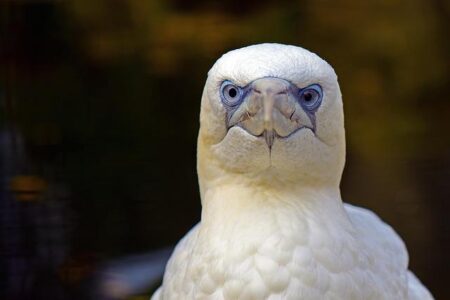
In the heart of East Africa, where sprawling wetlands and sweeping savannahs provide a haven for diverse wildlife, a dedicated conservationist is making significant strides in protecting one of the region’s most iconic species: the gray crowned crane. Olivier Nsengimana, a prominent Rwandan environmental advocate, has emerged as a beacon of hope for these majestic birds, which are increasingly threatened by habitat loss and human activity. Through innovative conservation efforts and community engagement, Nsengimana is not only championing the survival of the gray crowned crane but also inspiring local populations to appreciate and protect their natural heritage. His work highlights the critical intersection of wildlife preservation and sustainable development in East Africa, offering a compelling example of grassroots activism’s powerful impact on biodiversity conservation. In this article, we explore Nsengimana’s journey, the challenges faced by gray crowned cranes, and the importance of united efforts in safeguarding the region’s rich ecological tapestry.
Rwanda’s Conservation Efforts and Their Impact on Gray Crowned Crane Populations
Rwanda has made significant strides in the conservation of the gray crowned crane, a species that has faced numerous threats due to habitat loss and poaching. Under the leadership of conservationists like Olivier Nsengimana, efforts have intensified to protect these majestic birds, which are not only a symbol of Rwanda’s rich biodiversity but also vital for the ecosystem. The establishment of protected areas and community engagement initiatives has played a pivotal role in stabilizing gray crowned crane populations in the country. Through education and awareness campaigns, communities are increasingly recognizing the importance of preserving the cranes and their habitats.
The impact of these conservation efforts is evident in various metrics reflecting the status of gray crowned cranes in Rwanda. Notable measures include:
- Increased population numbers in protected regions
- Successful restoration of natural habitats, allowing cranes to thrive
- Growing awareness and involvement from local communities in conservation activities
Additionally, collaborative research with international partners has provided essential insights into crane behaviors and migration patterns, further aiding conservation strategies. A summary of recent population trends illustrates a positive trajectory:
| Year | Population Estimate |
|---|---|
| 2018 | 1500 |
| 2020 | 2000 |
| 2023 | 2500 |
These improvements are a testament to the effectiveness of Rwanda’s conservation strategies and reflect a broader commitment to protecting biodiversity across East Africa. As the country sets a precedent in crane conservation, it is also encouraging neighboring nations to adopt similar conservation models.
Olivier Nsengimana’s Role in Community Engagement and Education for Wildlife Protection
Olivier Nsengimana has emerged as a pivotal figure in fostering community engagement and education concerning wildlife conservation, specifically targeting the protection of gray crowned cranes in East Africa. Through his organization, The Grey Crowned Crane Initiative, Nsengimana has consistently prioritized the significance of local involvement by reaching out to communities surrounding critical habitats. His efforts focus on raising awareness about the ecological importance of these majestic birds, promoting sustainable practices, and encouraging local stewardship of natural resources. Key strategies employed include:
- Workshops and Training Sessions: Providing hands-on education on wildlife conservation techniques.
- School Programs: Integrating wildlife protection curricula into local schools to foster early awareness.
- Community Meetings: Organizing forums to discuss conservation challenges and solutions, thereby boosting local engagement.
In addition to direct education efforts, Nsengimana’s advocacy extends to the establishment of partnerships with local governments and international organizations. By collaborating with these entities, he has successfully implemented policies that favor both community development and wildlife preservation. An example of his impact can be seen in a recent initiative that aimed to reduce human-crane conflict through:
| Initiative | Description | Outcome |
|---|---|---|
| Habitat Restoration | Rehabilitating wetlands to create safer environments for cranes. | Increased crane nesting success rates. |
| Awareness Campaigns | Mobilizing community members to protect crane nesting sites. | Greater local involvement in monitoring crane populations. |
Strategies for Ensuring Long-Term Survival of Gray Crowned Cranes in East Africa
To secure the future of gray crowned cranes in East Africa, effective conservation strategies are paramount. Engaging local communities is essential; fostering a sense of ownership over wildlife encourages protective behaviors. Education and awareness programs can empower residents to become stewards of their environment. Initiatives should focus on the ecological significance of the gray crowned cranes and the economic benefits of preserving their habitats. By integrating sustainable practices, such as eco-tourism, regions can generate income while promoting the conservation of these majestic birds.
Moreover, collaborative efforts among governments, NGOs, and international organizations play a vital role in protecting crane populations. Establishing and enforcing protected areas, in tandem with habitat restoration projects, can mitigate the impact of human encroachment. Key strategies include:
- Legislation: Strengthening laws to protect cranes from poaching and habitat loss.
- Monitoring: Regular tracking of crane populations to assess the effectiveness of conservation efforts.
- Research: Supporting studies on crane behavior and ecology to inform protective measures.
Final Thoughts
In conclusion, Olivier Nsengimana’s dedication to the conservation of gray crowned cranes serves as a powerful reminder of the impact that passionate individuals can have on wildlife protection in East Africa. His efforts, which combine local engagement and scientific research, reflect a growing commitment to sustainable conservation practices in the region. As communities rally around the importance of preserving these majestic birds, Nsengimana’s work underscores the need for a collaborative approach to environmental stewardship. With continued support and awareness, there is hope for a future where gray crowned cranes thrive in their natural habitats, ensuring biodiversity and ecological balance for generations to come. As the story of Nsengimana unfolds, it resonates as both an inspiration and a call to action for conservationists and citizens alike to protect the rich, fragile ecosystems of East Africa.