
Introduction: Empowering rural Communities in Guinea: The Role of IFAD
In the heart of West Africa lies Guinea, a nation rich in natural resources and cultural diversity, yet facing meaningful challenges in rural advancement. As agriculture remains the backbone of the economy—with over 80% of the population reliant on subsistence farming—the need for lasting interventions is more pressing than ever. The International Fund for Agricultural Development (IFAD) has recognized the potential of Guinea’s rural communities and is actively working to enhance food security, improve livelihoods, and promote economic growth. This article delves into IFAD’s initiatives in Guinea, exploring the organization’s strategic projects aimed at empowering marginalized farmers, boosting agricultural productivity, and fostering resilience in the face of climate change. Through community-driven solutions and robust partnerships, IFAD is helping to pave the way for a more prosperous future for Guinea’s rural populations.
Understanding IFAD’s Role in Guinea’s Agricultural Development
The International Fund for Agricultural Development (IFAD) plays a crucial role in enhancing agricultural productivity and ensuring food security in Guinea. By providing targeted investments and expertise, IFAD has been at the forefront of initiatives aimed at improving the livelihoods of rural communities. key areas of focus include:
- access to Financing: IFAD supports smallholder farmers by facilitating access to credit and financial services, enabling them to invest in better farming techniques and technology.
- Capacity Building: Through training programs, IFAD helps farmers enhance their skills, promoting sustainable agricultural practices and better management of resources.
- Market access: The organization connects farmers to markets, ensuring they can sell their produce at fair prices, which significantly boosts their incomes.
- Nutrition and Food Security: IFAD’s initiatives include promoting diverse crop production to improve nutrition and ensure food availability in vulnerable communities.
Moreover, IFAD collaborates with the Guinean government and local institutions to design projects that resonate with the needs of the rural populace. These joint efforts have led to remarkable achievements in various districts of Guinea. For instance, the table below illustrates the ongoing projects and their objectives:
| Project Name | objective | Impact |
|---|---|---|
| Rural Development Project | Improve agricultural productivity | Increased crop yields by 30% |
| Food Security initiative | Enhance food access | Reduced malnutrition rates by 15% |
| Market Integration Program | Facilitate market access | Enhanced income for 10,000 households |
Assessing the Impact of IFAD Projects on Rural Livelihoods

The International Fund for Agricultural Development (IFAD) plays a pivotal role in transforming rural livelihoods in Guinea. Through a series of targeted projects, IFAD aims to enhance food security and increase the resilience of vulnerable communities. These projects have led to noteworthy outcomes,such as:
- Increased Agricultural Productivity: Farmers benefit from access to modern techniques and resources.
- Diversification of Income Sources: Communities are encouraged to engage in various agricultural and non-agricultural activities.
- Improved Infrastructure: investments in rural infrastructure facilitate better access to markets and essential services.
Furthermore, the impact of these initiatives is further underscored by the formation of local cooperatives that empower women and youth. By fostering collective engagement,these cooperatives not only enhance economic opportunities but also promote sustainable practices and resilience against climate change. The effectiveness of such interventions can be highlighted in the following table:
| Outcome | Achievement | Impact on Livelihoods |
|---|---|---|
| Crop Yield Increase | 30% average increase in staple crops | Enhanced food security for families |
| Access to microcredit | Over 2,000 loans disbursed | Boosted entrepreneurship and investment in local businesses |
| Training Programs | 500+ participants trained in sustainable farming | Improved agricultural practices and eco-friendliness |
Challenges Facing Guinea’s Farmers: An Analysis of Current Trends

Guinea’s agricultural sector is currently grappling with a multitude of challenges that threaten the livelihoods of its farmers and the nation’s food security. Among these challenges are climate change and extreme weather events, which have led to inconsistent rainfall patterns and prolonged dry spells, adversely affecting crop yields. Additionally, the country’s infrastructure shortcomings, such as inadequate transportation networks and poor storage facilities, further aggravate the situation, causing significant post-harvest losses. Other pressing issues include land degradation and pests and diseases, which increasingly plague agricultural output and hinder the capacity of farmers to sustain their practices effectively.
Moreover, farmers are frequently enough hindered by limited access to financial services, which restricts their ability to invest in modern farming techniques and inputs.This lack of financing, coupled with fluctuating market prices for crops, creates an surroundings of economic uncertainty. To compound these issues, farmers frequently face limited support from agricultural extension services, which are vital for disseminating valuable knowledge on best practices and sustainable farming methods. initiatives aimed at addressing these challenges must prioritize creating resilient agricultural systems that empower farmers and safeguard food security for the future.
Innovative Solutions for Sustainable Agriculture in Guinea
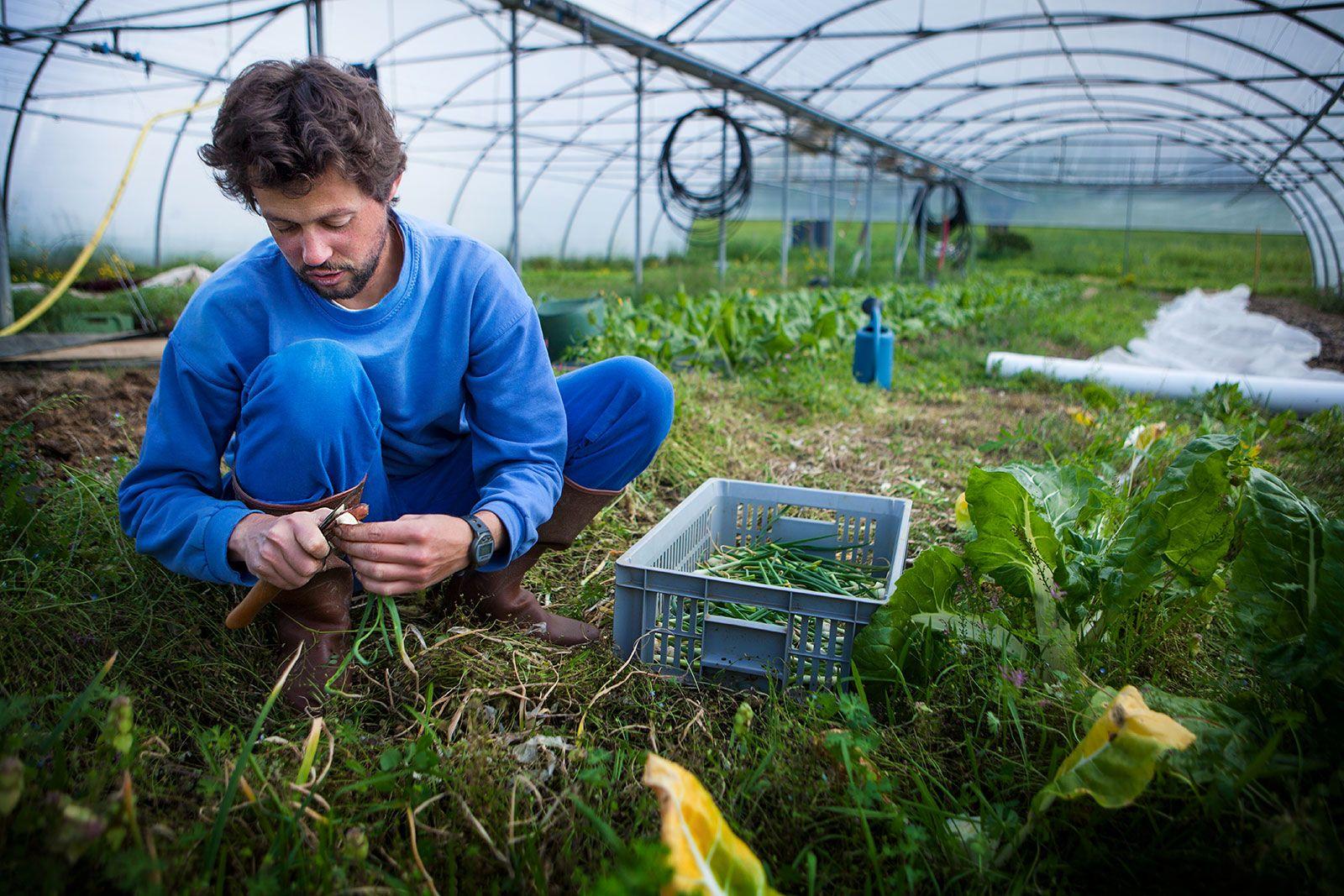
In a rapidly evolving agricultural landscape, innovative practices are essential for promoting sustainability in Guinea’s farming sector.Farmers are increasingly adopting integrative approaches that combine traditional methods with modern technology. Among these practices, agroecology stands out as a key to enhancing biodiversity while boosting yields. Crop rotation, intercropping, and the use of organic fertilizers have become pivotal strategies. Additionally,the integration of mobile technology is helping farmers access crucial facts on weather patterns,pest management,and market prices,ultimately improving productivity and resilience.
the role of partnerships is equally significant in fostering sustainable agriculture. Collaborations between local communities, NGOs, and governmental bodies have led to the development of community-supported agriculture (CSA) programs, which prioritize local food systems and promote economic sustainability. Notably, training workshops and resources are being provided to smallholder farmers to reinforce their knowledge in sustainable practices. Some effective initiatives include:
- Water conservation techniques: Implementing rainwater harvesting systems to provide irrigation during dry seasons.
- Soil health improvement: Utilizing cover crops to enhance nutrient density and reduce erosion.
- Pest management solutions: Employing integrated pest management (IPM) strategies to minimize chemical usage.
| Innovative Practices | Benefits |
|---|---|
| Agroecology | Enhances biodiversity and soil health |
| Mobile Technology | Improves access to market and environmental information |
| Community-Supported Agriculture | Strengthens local economy and food security |
Recommendations for Strengthening IFAD’s Engagement in Guinea
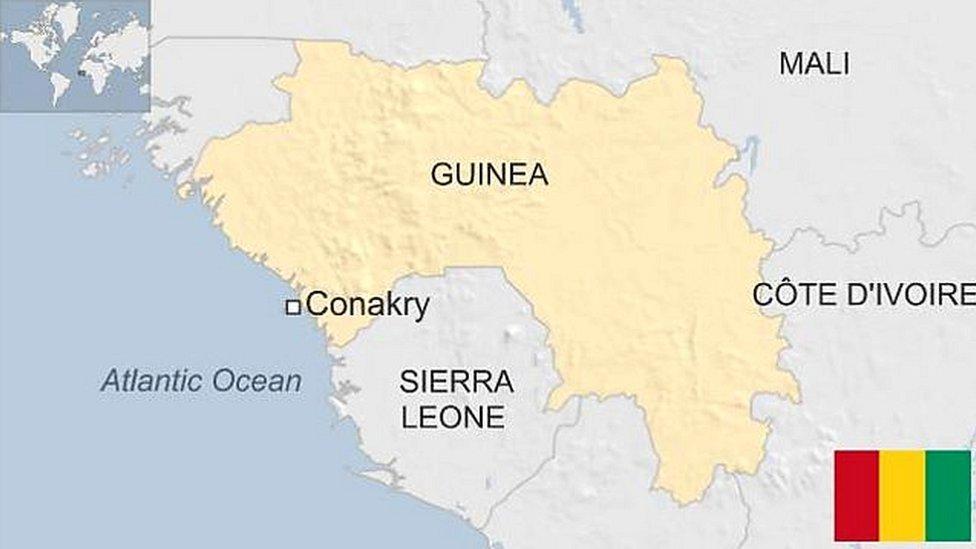
To enhance its impact in Guinea, IFAD should consider leveraging strategic partnerships with local organizations and government bodies. By collaborating closely with grassroots entities, IFAD can foster a deeper understanding of community needs and culturally appropriate agricultural practices. Recommendations include:
- Establishing Joint Task Forces: create teams that consist of IFAD representatives and local stakeholders to identify key areas for intervention.
- Capacity Building Workshops: Facilitate training programs aimed at empowering local farmers with innovative techniques and sustainable practices.
- Community Feedback Mechanisms: Implement systems to collect constant feedback from the beneficiaries to adjust programs in a timely manner.
Moreover, integrating a digital approach can vastly improve outreach and effectiveness in program implementation. By harnessing technology, IFAD can enable better data collection and transparency, leading to more informed decision-making. Suggested initiatives include:
- Mobile Request Development: Design a user-friendly app for farmers to access information on best practices, market prices, and weather forecasts.
- Data Analytics Platforms: Utilize data analytics for monitoring project outcomes and refining strategies based on performance metrics.
- Virtual Training Sessions: Adopt online training tools that can reach wider audiences, particularly in remote areas.
The Path forward: Building Resilience in Guinea’s Agricultural Sector
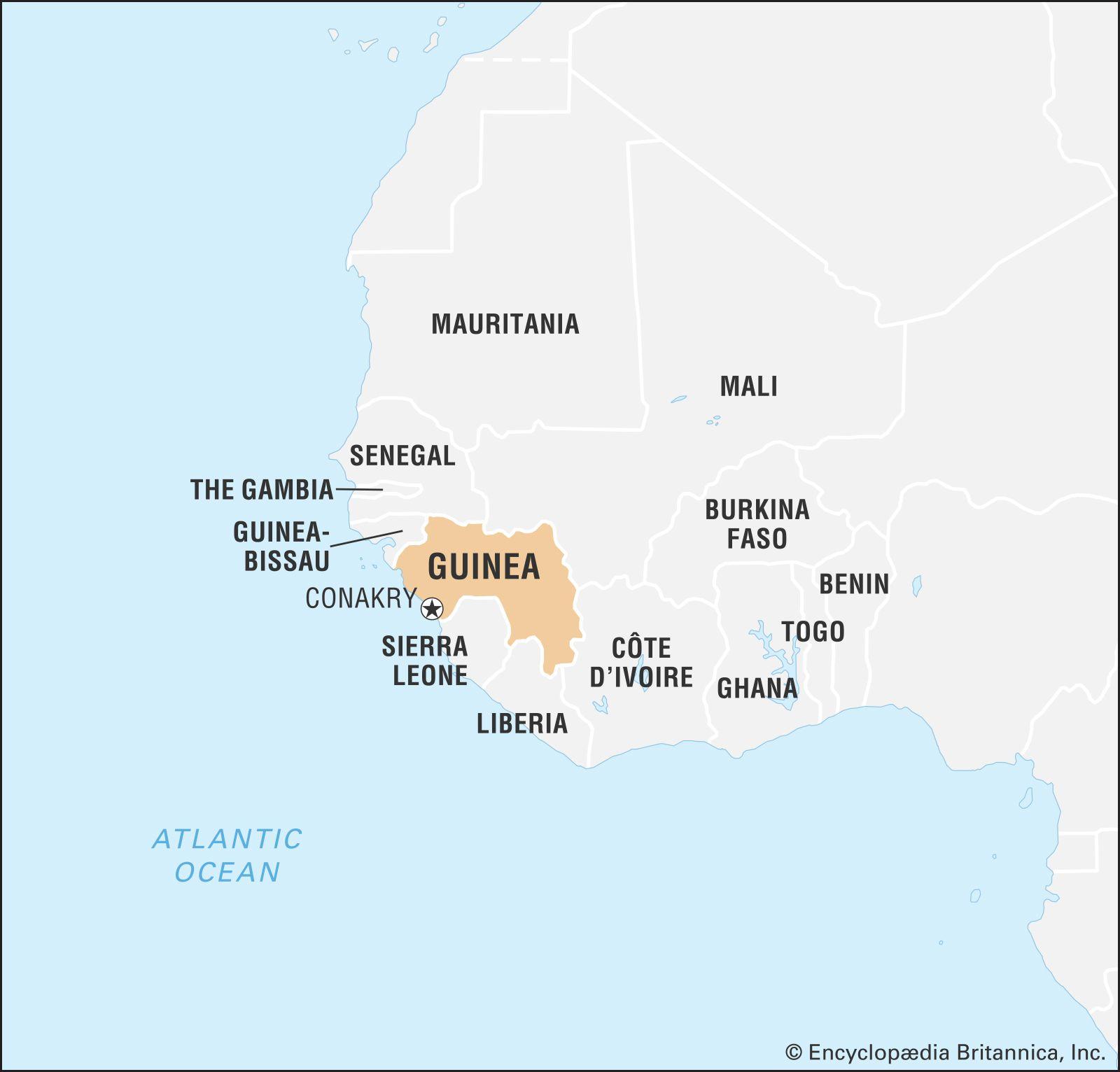
To foster a sustainable agricultural landscape in Guinea, it is essential to prioritize adaptive strategies that enhance resilience against climate variability and economic fluctuations. Investments should focus on the following key areas:
- Training Programs: Implementing workshops that educate farmers on sustainable practices and resource management.
- Diversification of Crops: Encouraging farmers to cultivate a range of crops to mitigate risks associated with market demands and climate impacts.
- Access to Technology: Providing tools and resources such as irrigation systems and mobile applications to support data-driven decision-making.
Furthermore,collaborative efforts between local governments,NGOs,and international organizations like IFAD can create robust support systems for farmers. A structured approach may involve:
| Initiative | Description | Expected Outcome |
|---|---|---|
| Financial Support | Providing microloans to smallholder farmers. | Increased investment in agricultural resources. |
| market Access | Creating networks for direct sales to consumers. | Higher incomes for farmers. |
| Research Collaboration | partnering with universities for agricultural innovations. | Enhanced crop yields and sustainability. |
Key Takeaways
the collaboration between Guinea and the International Fund for agricultural Development (IFAD) represents a significant stride towards sustainable agricultural development and poverty reduction in the region. By empowering local farmers through targeted investments, technological support, and capacity-building initiatives, IFAD is helping to create a more resilient agricultural sector in Guinea. As the nation grapples with the dual challenges of climate change and economic instability, such partnerships are critical for fostering food security and enhancing the livelihoods of rural communities. The ongoing projects serve not only as a model for similar initiatives across the continent but also highlight the importance of international cooperation in addressing global food challenges. As Guinea continues to advance its agricultural agenda, the support of organizations like IFAD will be vital in ensuring that the benefits of development reach those who need it most, paving the way for a more prosperous future for all.