
in a significant advancement for digital connectivity in West Africa, Starlink, the satellite internet service operated by SpaceX, has secured a one-year license to operate in Liberia. This milestone not only marks the expansion of Starlink’s aspiring global initiative to provide high-speed internet access to underserved and rural areas but also represents a crucial step towards bridging the digital divide in Liberia. With internet penetration still lagging in many parts of the country, the introduction of Starlink’s innovative technology could revolutionize communication, education, and economic opportunities for Liberians. As the nation grapples with infrastructural challenges, this partnership holds the promise of enhanced connectivity that has the potential to uplift communities and transform lives. In this article,we delve into the implications of Starlink’s entry into the Liberian market and what it means for the future of internet access in the region.
Starlink’s Strategic Move: Enhancing Internet Access in Liberia
Starlink’s recent acquisition of a one-year license in Liberia marks a pivotal moment in the country’s quest for improved internet connectivity. This satellite internet service aims to bridge the digital divide that has long hampered Liberia’s socio-economic development. With unreliable infrastructure and limited access to broadband services, many Liberians have struggled to tap into the digital economy. Starlink’s approach focuses on deploying its low Earth orbit (LEO) satellites to offer high-speed, low-latency internet that can reach even the most remote areas of the country. This strategic expansion not only promises to enhance personal connectivity but also aims to bolster educational resources, facilitate business operations, and support governmental initiatives to digitize public services.
As starlink prepares to roll out its services, key stakeholders are optimistic about the positive impact on various sectors. Benefits are expected to include:
- Increased Accessibility: By targeting underserved regions, Starlink can ensure that more Liberians have the opportunity to access digital services.
- Economic Growth: Enhanced connectivity could attract foreign investment and enable local startups to flourish.
- Education Enhancement: Students and institutions will gain access to online learning resources, leveling the educational playing field.
- Health services: Telemedicine applications could thrive,allowing doctors to reach patients in remote areas more effectively.
As Liberia embraces this transformative technology, it also stands at a turning point where internet access becomes a catalyst for growth, innovation, and societal advancement.

Impacts of Starlink’s Licence on Liberia’s Digital Landscape
The recent approval of a one-year licence for starlink in Liberia holds significant potential to reshape the nation’s digital surroundings.as more communities gain access to high-speed internet, we can expect a surge in online activities, including e-commerce, educational programs, and remote work opportunities. This expanded connectivity will likely allow local businesses to compete on a broader scale, fostering innovation and attracting foreign investment.Moreover,access to reliable internet can improve operational efficiencies for government services,enhancing public management and citizen engagement.
Moreover, this development comes at a crucial time when digital literacy and technological adaptation are more vital than ever. The impacts of Starlink’s services may manifest in various ways:
- Educational Advancement: Increased access to online learning resources can benefit students and teachers.
- Economic Growth: Businesses can leverage digital marketing and online sales platforms to reach new customers.
- Social Connectivity: Families and friends spread across regions can maintain closer ties through improved communication tools.
- Healthcare Access: Remote consultations and telemedicine could become more commonplace, improving healthcare delivery.

Challenges Ahead: Infrastructure and Regulatory Considerations
The recent authorization for Starlink to operate in Liberia comes with a distinct set of challenges that stakeholders must address to ensure the successful implementation of satellite internet services. One significant concern revolves around the existing infrastructure, including the need for compatible ground stations and local distribution networks capable of handling increased data demands. Rural and underserved areas, wich may benefit the most from Skarlink’s presence, frequently enough lack the necessary physical infrastructure to facilitate effective internet connectivity. This gap creates pressing questions about how Starlink plans to collaborate with local players to develop the required infrastructure that extends beyond just satellite technology.
Regulatory considerations are equally crucial in paving the way for uninterrupted operations. As Liberia’s regulatory framework surrounding telecommunications evolves, it is indeed imperative that both government entities and private sectors understand the implications of the agreement. Key aspects include:
- Licensing issues: Ensuring all necessary legal measures are taken to avoid operational delays.
- Interference regulations: Mitigating potential conflicts with existing telecommunications services.
- Consumer protection: Safeguarding users against unfair practices as the market expands.
Addressing these challenges collaboratively could propel not only Starlink’s services but also enhance the overall digital ecosystem in Liberia, ultimately leading to broader economic growth and increased accessibility for all citizens.
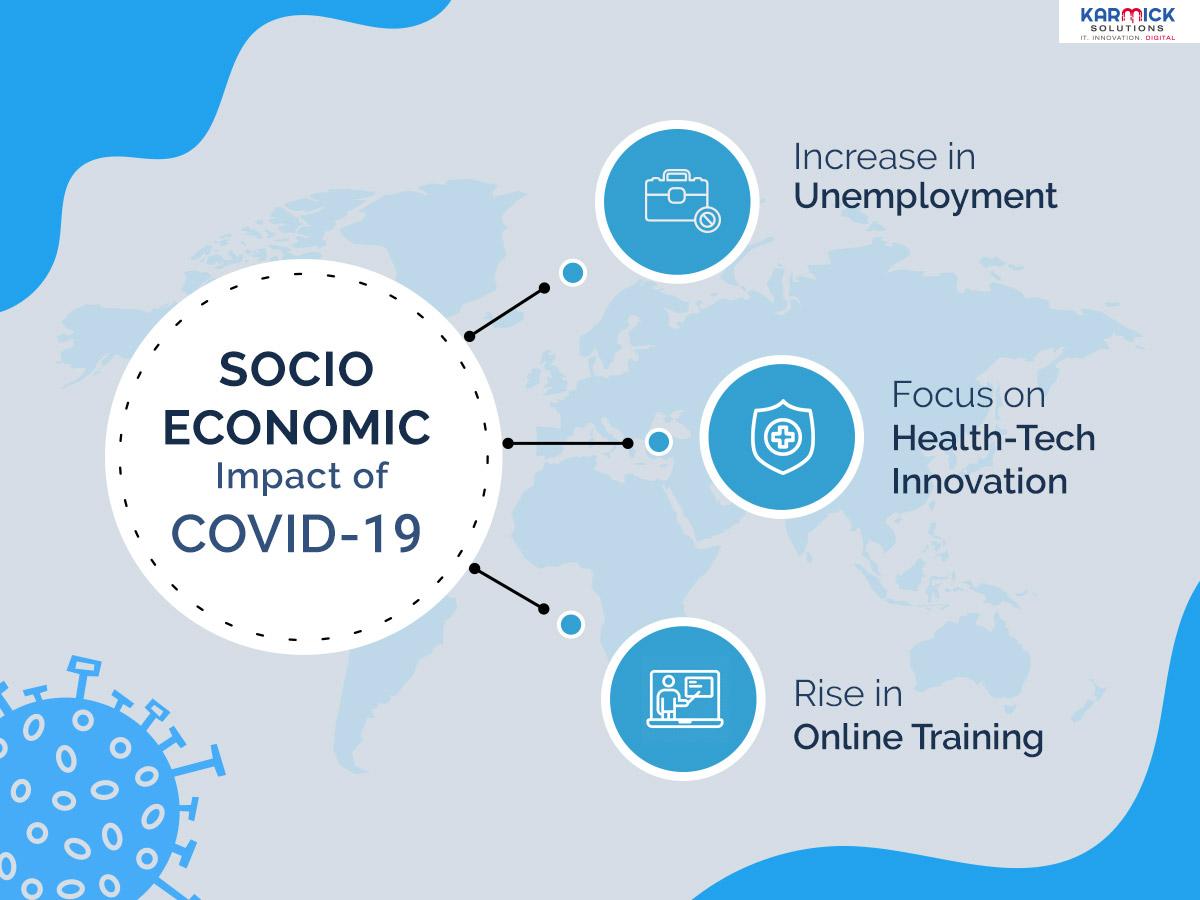
Potential Socioeconomic Benefits of Improved Connectivity
The recent expansion of Starlink’s Internet services in Liberia is set to bridge significant connectivity gaps in the region. Improved access to high-speed internet can catalyze numerous socioeconomic advancements, enabling individuals and businesses to harness the digital economy effectively. the potential benefits include:
- Enhanced Education Opportunities: Students can access online resources, virtual classrooms, and educational tools, leading to enriched learning experiences.
- Boosted Economic growth: With better connectivity, small businesses can reach larger markets, streamline operations, and attract investments.
- Job Creation: Digital skills development initiatives can emerge, equipping the workforce with skills required in a globalized economy.
- Improved Healthcare Delivery: Telemedicine can flourish, allowing patients in remote areas to consult healthcare professionals without travel.
- Stronger Community Engagement: Enhanced communication platforms will foster civic participation and strengthen community ties.
Moreover, the potential of improved connectivity can be examined through various aspects of everyday life, providing a clearer picture of its impact. The following table illustrates the correlation between improved internet access and its major benefits in Liberia:
| Aspect | Benefit |
|---|---|
| Education | Access to e-learning and resources |
| business | Increased market access and efficiency |
| Healthcare | Remote consultations and facts access |
| Employment | Skills training and job opportunities |
| Social Connectivity | Stronger community relationships |

recommendations for a Successful Implementation of Starlink Services
To ensure the successful implementation of Starlink services in Liberia, it is crucial to engage local communities and stakeholders. Building trust and fostering a sense of ownership can significantly enhance the service’s adoption. Key strategies include:
- Conducting regular community outreach to educate users about the benefits and workings of satellite internet.
- Establishing partnerships with local businesses and governments to facilitate smoother rollouts and garner local support.
- Providing training sessions to empower residents with the skills necessary to set up and maintain Starlink equipment.
Moreover, adapting the service infrastructure to the unique challenges of the Liberian environment is essential. This means addressing issues related to power supply, hardware availability, and internet literacy. consider the following recommendations:
- Implementing solar power solutions to support satellite dishes in areas with unreliable electricity.
- Creating a robust supply chain for hardware to ensure that equipment is readily available for new users.
- Offering multilingual support and resources to accommodate the diverse linguistic landscape of Liberia.
Concluding Remarks
Starlink’s recent acquisition of a one-year license to operate in Liberia marks a significant step forward in the country’s journey toward enhanced internet connectivity. This development promises to bridge the digital divide, providing rural and underserved communities with access to reliable internet service. As Starlink prepares to deploy its satellite technology, the impact on education, business, and overall socio-economic development in Liberia could be profound. stakeholders will be watching closely as the project unfolds, noting its implications for both local users and the broader landscape of internet provision across the region. With this initiative, Liberia stands at the forefront of a technological shift, and the potential benefits of this new connectivity could reshape the nation’s digital future.