in a significant diplomatic move amidst escalating tensions in South Sudan, Ugandan President Yoweri Museveni has arrived in Juba as the country grapples with a deepening political crisis. The visit, which comes at a crucial time for South Sudan, aims to address ongoing instability and the challenges facing the South Sudanese government. Museveni’s engagement underscores uganda’s influential role in the region and its commitment to supporting peace and security initiatives. As South Sudan continues to navigate a turbulent political landscape marked by discontent and conflict, the implications of Museveni’s visit may shape the future of bilateral relations and broader regional stability. This article explores the context of Museveni’s visit, the current political predicament in South Sudan, and the potential implications for the East African region.
Uganda’s Role in Mediation Efforts in South Sudan’s Ongoing Political Crisis
over the years, Uganda has positioned itself as a key player in mediating the complex political landscape of South Sudan. The ongoing conflict, which erupted in 2013, has seen Uganda stepping in to offer diplomatic support and facilitate dialog among the warring factions. Notably, President Yoweri Museveni has taken a proactive approach, leveraging Uganda’s past ties with South Sudan to foster a climate of cooperation. His recent visit underscores Uganda’s commitment to restoring peace and stability in the region, showcasing a willingness to engage directly with both government and opposition leaders.This engagement is critical, as it aims to address not only immediate grievances but also long-standing issues that have fueled the conflict.
Uganda’s mediation efforts encompass a variety of strategies aimed at promoting dialogue and reconciliation, including:
- Hosting Peace Talks: Uganda has offered its territory as a neutral ground for peace negotiations, facilitating discussions between conflicting parties.
- Providing Humanitarian Aid: In addition to mediating discussions, Uganda has contributed to humanitarian efforts to alleviate the suffering of displaced populations.
- Military Support: Uganda has played a role in supporting South Sudan’s security forces, aimed at stabilizing the situation amidst ongoing violence.
In the broader context, Uganda’s involvement serves as a crucial opportunity for regional integration and collaboration. While navigating challenges such as the influence of external actors and the complexity of local dynamics, Uganda’s approach is rooted in the belief that sustainable peace can only be achieved through inclusive dialogue. The effectiveness of these mediation efforts will depend on the willingness of South Sudan’s leaders to engage meaningfully and the capacity of Uganda to leverage its diplomatic channels effectively.
Analysis of Regional Stability and Its Impact on Uganda-South Sudan Relations
The dynamics of regional stability in East africa substantially influence the delicate relationship between Uganda and South Sudan. Given the historical context of conflict and governance challenges in South Sudan, Uganda has ofen found itself drawn into its neighbor’s political affairs, sometimes acting as a mediator. Factors contributing to the stability of this region include:
- Security Threats: Ongoing internal conflicts and threats from rebel groups in South Sudan pose risks that can spill over into Uganda.
- Economic Interdependence: Trade agreements and cross-border economic ties necessitate a stable environment.
- political Alliances: Historical and strategic partnerships shape diplomatic alignments and responses to crises.
As President Museveni engages with South Sudan’s leadership amidst escalating political turmoil, the implications for bilateral relations are multifaceted. Uganda’s ongoing diplomatic efforts can either reinforce stability or exacerbate tensions, depending on local perceptions and reactions. Key considerations include:
| Factor | Potential Impact |
|---|---|
| Conflict Resolution Efforts | May lead to strengthened political ties or accusations of interference. |
| Humanitarian Assistance | Improves regional image but may attract domestic criticism. |
| Military Cooperation | Enhances security but risks entangling Uganda in South Sudan’s internal strife. |
Key Issues Addressed by Museveni During His Visit to South Sudan
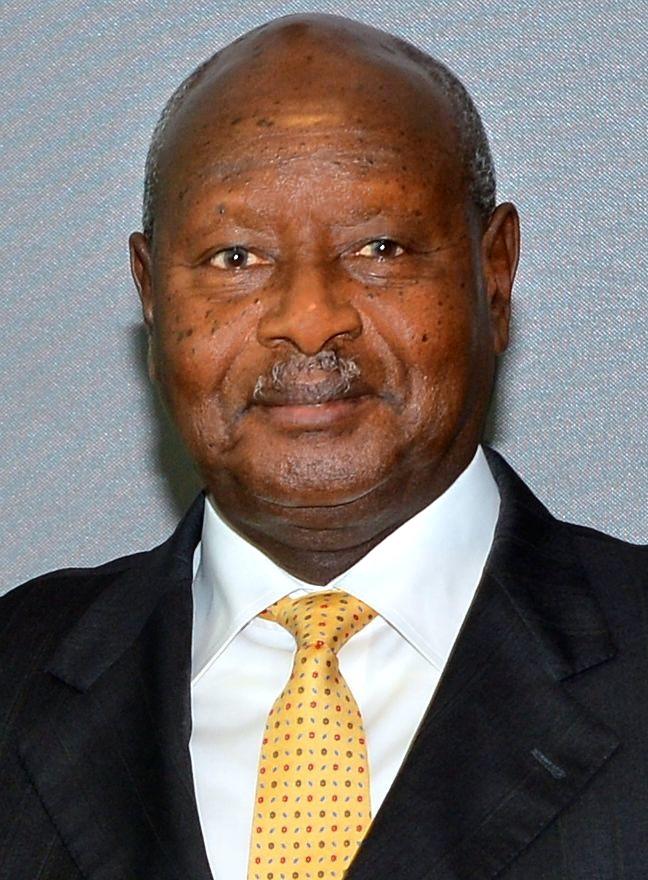
during his recent visit to South Sudan, President Yoweri Museveni engaged in critical discussions aimed at addressing the ongoing political and humanitarian challenges facing the nation. Notably, he emphasized the urgency of fostering unity among South Sudan’s fragmented political factions to ensure a cohesive governance structure. Menacing clashes between various armed groups have exacerbated the instability,leading to a significant humanitarian crisis. Museveni highlighted the following key issues in his talks:
- Promotion of dialogue: Urging all political leaders to engage in open dialogue to reconcile differences.
- Support for Peacekeeping Efforts: Advocating for increased support from regional and international peacekeeping forces to stabilize the situation.
- Humanitarian Assistance: Calling for immediate humanitarian aid to address the widespread food insecurity and displacement of civilians.
In Museveni’s discussions with south Sudanese leaders, he also raised concerns about the rising incidences of violence against civilians, which undermines any progress towards lasting peace. He proposed the establishment of a more robust security framework to protect vulnerable populations and restore trust in local governance.The dialogue included the following pivotal points:
| Issue | Proposed Action |
|---|---|
| Violence Against Civilians | Strengthening local policing and community-based safety initiatives |
| Political Fragmentation | Facilitated platforms for dialogue between rival factions |
| Humanitarian Crisis | Partnerships with NGOs for relief distribution |
Stakeholder Reactions to Museveni’s Diplomatic engagement in Juba
The diplomatic visit of Uganda’s President Yoweri Museveni to South Sudan has elicited a spectrum of reactions from various stakeholders, reflecting the complex political landscape in the region. Politicians in South Sudan are largely optimistic, viewing museveni’s engagement as a potential catalyst for stability amid ongoing tensions. Voices from the ruling party suggest that collaboration with Uganda could lead to improved security and economic partnerships, vital for enhancing the nation’s recovery from years of conflict.
Conversely, civil society organizations have expressed skepticism regarding the outcomes of Museveni’s visit. They argue that past engagements have often failed to yield substantial change,citing concerns over human rights abuses and governance issues in South Sudan. Additionally, regional analysts warn of the long-standing historical tensions between Uganda and South Sudan that could complicate diplomatic efforts.The following table illustrates key stakeholders and their positions on the engagement:
| Stakeholder Group | Position |
|---|---|
| South sudan Politicians | Optimistic about stability and cooperation |
| Civil Society Organizations | Skeptical of meaningful change |
| regional Analysts | Concerned about historical tensions |
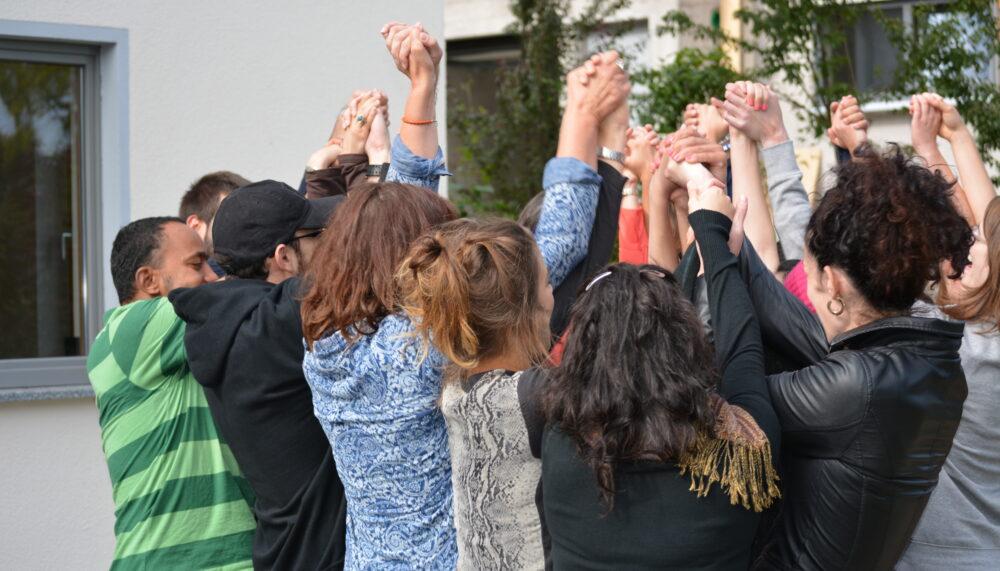
Recommendations for Sustainable Peace Initiatives in South Sudan
to ensure a lasting resolution to the ongoing political turmoil in south Sudan, several sustainable peace initiatives must be considered. Engagement of local communities is crucial; fostering dialogue at grassroots levels can help bridge divides between factions.Initiatives could include community-led reconciliation programs that allow voices from all segments of society to contribute to the peace process. Additionally, implementing education and awareness campaigns on the significance of unity and coexistence will assist in reshaping societal norms and reducing hostility. These efforts should be supported by training facilitators who can manage conflict resolution workshops effectively.
International cooperation plays a pivotal role in stabilizing South Sudan. To that end, regional bodies such as IGAD should enhance collaboration with grassroots organizations. Establishing a obvious monitoring system for ceasefire agreements can increase accountability among political leaders, ensuring they adhere to commitments made during negotiations. moreover, supporting economic progress initiatives will provide essential resources for communities, reducing the dependency on conflict as a means to obtain basic needs. By synergizing efforts from all stakeholders—governments, NGOs, and local actors—South Sudan can pave the way toward sustainable peace.
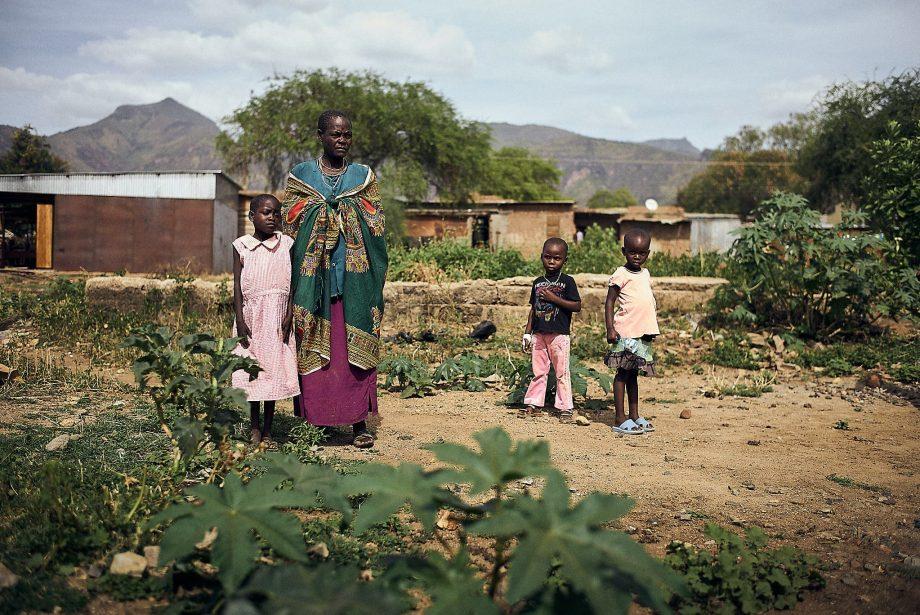
Future Implications for Uganda’s Political Landscape Following Museveni’s Visit
The visit of President Yoweri Museveni to South Sudan amidst its ongoing political crisis may have far-reaching consequences for Uganda’s political landscape. As Museveni reaffirms Uganda’s commitment to regional stability, this engagement could reshape diplomatic relationships in East Africa and enhance Uganda’s role as a key mediator in regional conflicts. This diplomatic approach might bolster uganda’s position within international fora,especially if it can effectively contribute to peace and security in its neighboring states. The implications of such a strong regional presence could influence political perceptions domestically, potentially strengthening museveni’s administration while also igniting conversations around governance and foreign policy effectiveness.
Moreover,the developments resulting from this visit can serve as a double-edged sword for the Ugandan political environment. A burgeoning focus on foreign diplomacy might lead to a political shift where the ruling party leverages accomplished international engagements for domestic legitimacy. Though,it could also ignite challenges,with opposition parties critiquing the government’s priorities while internal issues remain unresolved. Key points to consider include:
- Increased scrutiny on governance: The opposition may capitalize on any perceived failures in domestic policies while Museveni focuses on international relations.
- Heightened regional expectations: As Uganda becomes a regional peacebroker, the public might expect similar approaches to internal conflicts and issues.
- Resource allocation debates: Allocation of resources towards foreign engagements versus local needs could stir public discontent.
the cyclical interaction between external diplomacy and internal politics will be crucial to observe in the months following Museveni’s South Sudan visit. The outcome of this visit could solidify Uganda’s influence in East Africa, provided the administration navigates the complexities of domestic expectations while fostering international relationships.
To Wrap It Up
President Yoweri Museveni’s arrival in South sudan amid its ongoing political turmoil underscores the complexities of regional diplomacy and the intertwined fates of neighboring nations. As Uganda navigates its role in South Sudan’s crisis, the stakes are high not only for the peace and stability of the volatile region but also for Museveni’s leadership at home. With the backdrop of an escalating conflict and humanitarian concerns, observers will be watching closely to see if Museveni’s interventions yield constructive dialogue or exacerbate existing tensions. The international community’s response will also play a critical role in shaping the future of South Sudan as it grapples with the challenges of governance and reconciliation. As the situation evolves, the dynamics of Museveni’s involvement will remain a pivotal aspect of South Sudan’s quest for peace.