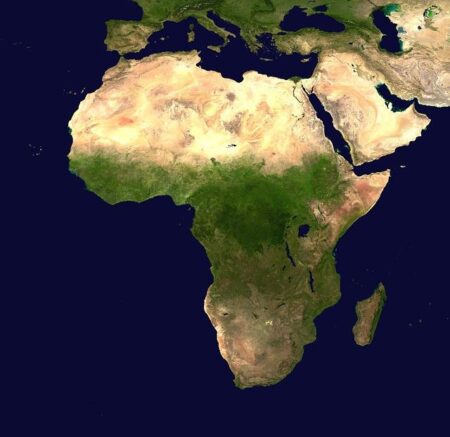
Burundi and the Democratic Republic of Congo (DRC) find themselves at a critical crossroads as President Évariste Ndayishimiye’s regime grapples with mounting pressure from the rebel group M23. The resurgence of the M23 insurgency has intensified security challenges in the eastern DRC, straining regional stability and testing the resilience of Ndayishimiye’s government. With diplomatic efforts faltering and military confrontations escalating, the regime’s position grows increasingly precarious, underscoring a volatile chapter in Central Africa’s ongoing conflict landscape.
Burundi and DRC Leadership Confront Escalating Threat from M23 Rebels
The joint leadership of Burundi and the Democratic Republic of Congo is facing unprecedented pressure as the M23 rebel group intensifies its incursions along their shared border. Despite efforts to quell the insurgency, the growing strength and tactical mobility of the rebels have put President Évariste Ndayishimiye’s administration in a precarious position, raising concerns over regional stability. Security forces are reportedly grappling with limited resources and strained coordination, which have hampered effective containment and response strategies amid the escalating conflict.
Key challenges complicating the crisis include:
- Cross-border insurgency tactics: Utilization of guerrilla warfare exploiting rugged terrain.
- Weak intelligence sharing: Inadequate communication between military and political units.
- Displacement of civilians: Rising humanitarian concerns with refugee movements increasing pressure on local infrastructure.
- International diplomatic inertia: Limited outside intervention despite calls for urgent action.
| Aspect | Current Status | Implication |
|---|---|---|
| Military Readiness | Under-resourced | Reduced operational capacity |
| Political Will | Testing | Potential for policy shifts |
| Regional Cooperation | Fragile | Risk of escalated conflict |
Strategic Challenges and Regional Implications of Ndayishimiye’s Vulnerable Position
The precarious position of President Évariste Ndayishimiye’s regime poses significant strategic challenges not only for Burundi but also for the wider Great Lakes region. As M23 insurgents intensify their operations, the regime’s weakened grip complicates internal security efforts, forcing Bujumbura to divert resources toward border defense rather than developmental priorities. This vulnerability exposes a critical fault line, where political instability intertwines with military pressure, undermining governance and eroding public confidence. Moreover, Ndayishimiye’s diminishing leverage diminishes Burundi’s diplomatic clout, limiting its ability to influence regional security frameworks or participate effectively in collaborative approaches to the eastern Congo crisis.
- Heightened border tensions: The spillover of M23 activities threatens to destabilize border communities, fueling cross-border ethnic conflicts and refugee flows.
- Strained alliances: Traditional partners are wary of Burundi’s capacity to contribute meaningfully to regional security efforts.
- Economic repercussions: Resource allocation has shifted heavily toward security, stalling critical infrastructure and social programs.
| Factor | Impact on Burundi | Regional Implication |
|---|---|---|
| Military Pressure | Weakened control along border zones | Increased volatility between Burundi and DRC |
| Political Instability | Reduced government legitimacy | Risk of regional spillover of unrest |
| Diplomatic Isolation | Limited negotiation power | Fragmented regional collaboration |
Recommendations for Diplomatic Engagement and Strengthening Security Cooperation
To counter the escalating threat posed by the M23 militia, it is imperative for regional actors to adopt a multifaceted diplomatic approach emphasizing dialogue and trust-building measures. Engagement should prioritize transparent communication channels between the governments of Burundi, the Democratic Republic of Congo, and neighboring countries to restore confidence and explore mutually beneficial security arrangements. Additionally, leveraging regional organizations such as the East African Community (EAC) and the African Union (AU) can facilitate mediation efforts and foster a collaborative framework aimed at long-term stability.
Strengthening security cooperation requires not only intelligence sharing but also joint operational readiness to address cross-border insurgency effectively. Key recommendations include:
- Establishing joint military task forces for rapid response coordination;
- Enhancing border security infrastructure to prevent illicit arms and combatant movements;
- Conducting regular bilateral and multilateral security exercises to improve interoperability;
- Implementing community-based surveillance programs to proactively identify threats at grassroots levels.
| Action | Expected Impact | Timeframe |
|---|---|---|
| Joint Military Task Forces | Improved rapid response | Short-term (6-12 months) |
| Border Security Enhancement | Reduced cross-border infiltration | Mid-term (1-2 years) |
| Security Exercises | Higher troop interoperability | Ongoing |
| Community Surveillance | Early threat detection | Immediate to short-term |
Future Outlook
As tensions continue to escalate in the Great Lakes region, President Évariste Ndayishimiye’s administration in Burundi, alongside the DRC government, faces mounting pressure amid the resurgence of the M23 rebel group. With diplomatic efforts struggling to yield concrete results and the humanitarian situation deteriorating, the coming weeks will be critical in determining whether regional stability can be restored or if the conflict will further destabilize an already fragile landscape. Africa Intelligence will continue to monitor developments closely, providing timely updates on this evolving crisis.