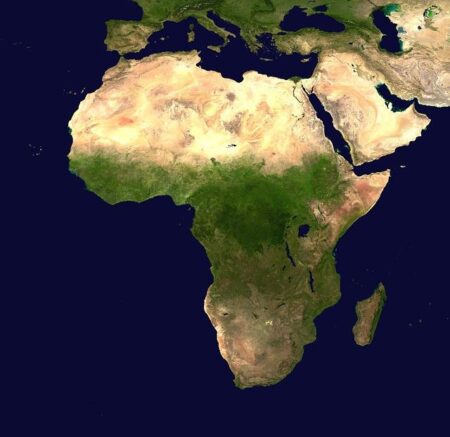
Cardinal Michael Czerny, S.J., Prefect of the Dicastery for Promoting Integral Human Development, has embarked on a significant pastoral visit to Rwanda and Burundi. The trip, aimed at strengthening the Catholic Church’s outreach and support in these East African nations, highlights the Vatican’s ongoing commitment to peacebuilding, social justice, and integral human development in the region. During his visit, Cardinal Czerny engaged with local Church leaders, communities, and development projects, underscoring the Dicastery’s role in addressing critical humanitarian and social challenges. This article provides an overview of the Cardinal’s itinerary, key meetings, and the broader implications of his mission for the Church and society in Rwanda and Burundi.
Cardinal Michael Czerny’s Historic Visit to Rwanda and Burundi Highlights Challenges and Opportunities
Cardinal Michael Czerny’s recent mission to Rwanda and Burundi marked a significant moment of dialogue and reflection on pressing social, economic, and spiritual challenges facing the Great Lakes region. Engaging with local communities, government officials, and Church leaders, the Cardinal underscored the urgency of fostering peace and reconciliation amid persistent ethnic tensions and developmental hurdles. His meetings highlighted the resilience and hope within these nations despite the shadows of past conflicts, with a focus on reinforcing social cohesion and uplifting marginalized groups.
Key themes emerged throughout his itinerary, emphasizing the need for:
- Holistic human development centered on dignity and justice.
- Youth empowerment as catalysts for sustainable change.
- Environmental stewardship in the face of climate challenges.
- Interreligious collaboration to nurture peace and mutual respect.
These priorities align closely with the Dicastery’s mission to promote integral development, calling on local and international partners to deepen their commitment to shared goals. Cardinal Czerny’s visit renewed international attention on the region’s opportunities, emphasizing the transformative potential when faith communities and civic institutions unite for the common good.
Deep Dive into Social Justice and Reconciliation Efforts Led by the Dicastery for Integral Human Development
During Cardinal Michael Czerny, S.J.’s recent visit to Rwanda and Burundi, the Dicastery for Integral Human Development intensified its commitment to fostering social justice and reconciliation in regions marked by profound historical wounds. His meetings with local leaders, survivors of conflict, and grassroots organizations underscored the dicastery’s approach that combines healing with sustainable development. Central to these dialogues was the emphasis on addressing not only the immediate consequences of violence but also the underlying socio-economic inequalities that perpetuate cycles of injustice.
Key initiatives highlighted during the visit include:
- Community dialogue facilitation: Creating safe spaces for victims and perpetrators to share stories and seek common ground.
- Youth empowerment projects: Engaging young people in leadership roles to build inclusive futures.
- Support for trauma counseling programs: Integrating psychological healing with spiritual accompaniment.
- Promotion of equitable access to resources: Addressing systemic disparities in land, education, and healthcare.
| Program | Focus Area | Impact |
|---|---|---|
| Bridging Stories | Reconciliation | 200+ participants |
| Leaders for Tomorrow | Youth Leadership | 45 youth trained |
| Healing Hearts | Mental Health | 50+ counseling sessions |
Strategic Recommendations for Sustainable Development and Peacebuilding in the Great Lakes Region
Cardinal Michael Czerny, S.J., emphasized the necessity of a multifaceted approach to foster lasting peace and sustainable development in Rwanda and Burundi. Central to this strategy is the empowerment of local communities through inclusive governance and capacity-building initiatives. By nurturing strong civic participation and reinforcing the role of youth and women in decision-making processes, the region can cultivate resilient societies capable of overcoming historical divisions and socio-economic challenges. Key priorities identified include:
- Enhancing environmental stewardship by promoting sustainable agricultural practices and responsible natural resource management.
- Strengthening regional cooperation to address cross-border issues such as migration, security, and trade.
- Investing in education and vocational training to bridge gaps in employment and innovation.
- Supporting restorative justice mechanisms to heal wounds of conflict and build trust among communities.
To track progress and ensure accountability, a collaborative framework between governments, civil society, and international partners is essential. Below is a simplified overview of the strategic dimensions and their intended outcomes highlighted during the visit:
| Strategic Dimension | Objectives | Expected Impact |
|---|---|---|
| Governance & Participation | Inclusive policy-making and youth engagement | Social cohesion and empowerment |
| Environmental Sustainability | Eco-friendly agriculture and resource management | Long-term ecological balance |
| Economic Development | Skills training and regional trade enhancement | Job creation and poverty reduction |
| Peace & Reconciliation | Restorative justice and trust-building | Conflict resolution and stability |
Closing Remarks
Cardinal Michael Czerny, S.J.’s visit to Rwanda and Burundi marks a significant chapter in the Dicastero per il Servizio dello Sviluppo Umano Integrale’s ongoing commitment to fostering peace, reconciliation, and integral human development in the region. Through his meetings with local leaders, communities, and Church representatives, Cardinal Czerny underscored the vital role of solidarity and compassionate service in addressing the complex social and economic challenges faced by these nations. His journey not only highlighted the Church’s dedication to supporting vulnerable populations but also reinforced the global call for sustained collaborative efforts to promote justice and human dignity in East Africa. As Rwanda and Burundi continue their paths toward recovery and growth, the Dicastero’s work under Cardinal Czerny’s guidance remains a beacon of hope and inspiration for inclusive and holistic development.