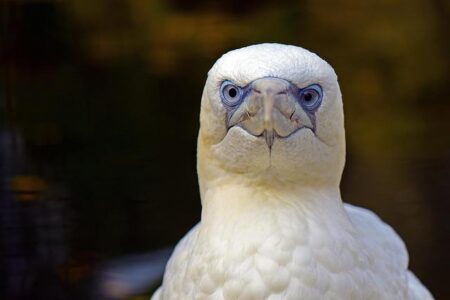
Madagascar’s Nature is One of a Kind: A Deep Dive into the World Wildlife Fund’s Commitment to Conservation
Madagascar, an island nation renowned for its breathtaking landscapes and unparalleled biodiversity, is home to a wealth of unique flora and fauna that exists nowhere else on the planet. As the fourth largest island in the world, it boasts a rich tapestry of ecosystems, from lush rainforests and arid deserts to vibrant coral reefs. In light of these extraordinary natural treasures, the World Wildlife Fund (WWF) has intensified its efforts to protect and sustain Madagascar’s delicate environment amidst increasing threats from climate change, deforestation, and habitat degradation. This article explores the incredible nature of Madagascar, the challenges it faces, and the WWF’s vital role in safeguarding the future of this ecological wonderland.
Exploring Madagascar’s Unique Biodiversity and Ecosystems
Madagascar is a captivating island nation that boasts an astonishing array of biodiversity, with species found nowhere else on Earth. Approximately 90% of its wildlife is endemic, making it a hotspot for conservation and scientific research. Visitors to this remarkable island can witness unique fauna such as indri lemurs, fossa, and the vibrant chameleons. The diverse ecosystems range from lush rainforests to arid deserts, each hosting life forms adapted specifically to their environments. Key ecosystems include:
- Rainforests: Home to countless species of plants and animals, like the iconic baobab trees.
- Coral Reefs: Rich in marine biodiversity, supporting myriad fish species and sea turtles.
- Spiny Forests: Unique to the southern part of Madagascar, featuring extraordinary succulents and endemic birds.
The fragility of these ecosystems, however, poses a serious concern, as human activities threaten their existence. Deforestation, agriculture expansion, and illegal wildlife trade have accelerated habitat loss, pushing many species toward extinction. To combat this, numerous conservation efforts are underway, focusing on sustainable development and habitat restoration. A recent initiative highlights:
| Conservation Efforts | Goals |
|---|---|
| Protected Areas | Preserve critical habitats and endangered species. |
| Community Involvement | Engage local populations in sustainable practices. |
| Research Programs | Enhance understanding of biodiversity and ecology. |
Conservation Challenges Facing Madagascar’s Endangered Species
Madagascar is home to a vast array of unique flora and fauna, many of which are found nowhere else on Earth. However, these remarkable species face an array of serious conservation challenges that threaten their survival. The foremost issues include deforestation, driven by agricultural expansion and illegal logging, which has decimated vital habitats. Other significant threats include climate change, which disrupts weather patterns and alters ecosystems, and invasive species that outcompete native wildlife for resources. Without immediate and concerted efforts, many of these species could vanish before they are even studied.
The implications of these challenges are stark, as they impact not only biodiversity but also the livelihoods of local communities that depend on these resources. The following factors are critical in understanding the pressing conservation issues:
- Habitat Loss: Approximately 80% of Madagascar’s forests have been lost since the 1950s.
- Species Extinction: Over 90 species of lemurs are currently threatened with extinction.
- Illegal Wildlife Trade: Endangered species are often targeted for the lucrative international pet trade.
Strategies for Sustainable Tourism to Protect Madagascar’s Natural Heritage
To ensure the long-term protection of Madagascar’s remarkable biodiversity, it is essential to implement sustainable tourism practices that can support both local communities and the environment. Community-based tourism initiatives allow local residents to showcase their unique cultures and traditions while simultaneously educating travelers about the importance of conservation. Promoting authentic experiences such as guided nature walks, traditional cooking classes, and artisan markets can foster a deeper appreciation for Madagascar’s natural heritage. By involving locals in tourism development, we empower them to become stewards of their own environments, creating financial incentives to conserve their unique ecosystems.
Additionally, eco-friendly accommodations play a crucial role in minimizing the impact of tourism on Madagascar’s fragile ecosystems. Accommodations that utilize renewable energy sources, such as solar panels, and implement waste reduction strategies can significantly lessen their environmental footprint. Tour operators can also prioritize low-impact transport options, such as bicycles or electric vehicles, to navigate the stunning landscapes. Establishing protected areas and responsible wildlife viewing practices can further safeguard endangered species, ensuring that both visitors and future generations can experience the unparalleled beauty of Madagascar’s natural surroundings.
To Wrap It Up
In conclusion, Madagascar’s unparalleled biodiversity serves as a poignant reminder of the urgent need for conservation efforts. Home to an array of unique species and stunning ecosystems, this island nation faces increasing threats from habitat loss and climate change. The World Wildlife Fund’s dedicated initiatives aim not only to safeguard Madagascar’s extraordinary natural heritage but also to empower local communities in sustainable practices that promote coexistence with nature. As global citizens, we must rally behind these efforts to protect Madagascar, ensuring that its rich and irreplaceable wildlife continues to thrive for generations to come. In an era where nature’s intricate web is more vulnerable than ever, the fate of Madagascar serves as both a challenge and a call to action for all of us.