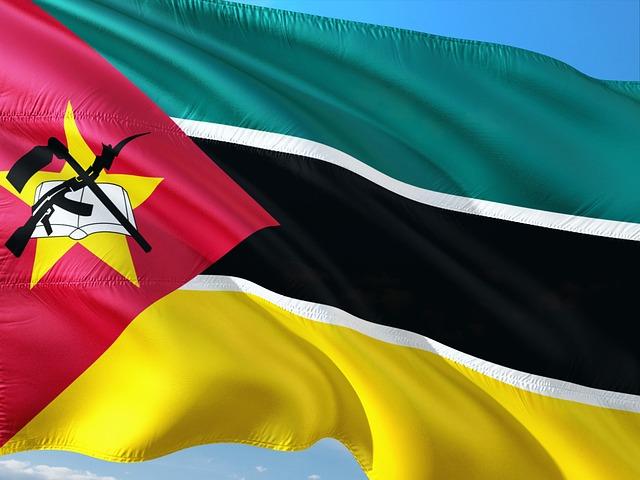
In the wake of escalating post-election violence in Mozambique, regional leaders are being urged to take decisive action to address the unrest that has threatened the stability of the nation. Following a contentious electoral process marred by accusations of fraud and intimidation, reports of violent clashes have emerged, prompting concerns from local and international observers about the potential for further unrest. As Mozambique grapples with the aftermath of its elections, the call for intervention from regional blocs highlights the urgency of the situation and the need for collaborative efforts to restore peace. This article delves into the current state of affairs in Mozambique, the responses from regional organizations, and the broader implications for governance and stability in Southern Africa.
Regional Bloc Calls for Immediate Action to Address violence in Mozambique

amid escalating tensions and violence following Mozambique’s recent elections, regional leaders have convened to address the urgent need for intervention. The violence, marked by clashes between political factions, has raised concerns about the stability in the region. Activists and international observers are calling for a unified response to ensure peace and safeguard democratic processes.The bloc emphasized the need for immediate dialog between conflicting parties and urged Mozambique’s government to take decisive action to restore safety for its citizens.
Several strategies have been proposed to combat the surge in violence, including:
- Increased diplomatic engagement: Initiating conversations with all political stakeholders to promote dialogue.
- Deployment of peacekeeping forces: Ready to assist in mitigating tensions and protecting civilians.
- Monitoring and reporting mechanisms: Establishing independent bodies to oversee the situation on the ground.
In a recent meeting, leaders discussed the importance of leveraging regional resources and expertise to stabilize the country. They highlighted the role of education and community programs in fostering long-term peace and addressing the root causes of unrest. Continued collaboration among neighboring countries is critical in addressing this crisis effectively.
Analysis of Post-Election Tensions: The role of Political Divisions in Mozambique
The aftermath of the recent election in Mozambique has exposed deep-seated political fissures that have escalated tensions across the nation. Significant unrest has erupted, primarily driven by divisions between the two dominant political parties: the ruling FRELIMO and the opposition RENAMO. Observers note that thes tensions are not merely a result of electoral outcomes but reflect long-standing grievances embedded in the sociopolitical landscape of mozambique. Among the contributing factors are:
- Historical animosities: The country’s civil war legacy continues to influence party dynamics.
- Electoral malpractices: Allegations of fraud and manipulation during the election process have fueled discontent.
- Public disillusionment: Citizens express frustration over unfulfilled promises and corruption.
As violence escalates, regional leaders and organizations have been urged to intervene, stressing the importance of diplomatic engagement. The Southern african Progress Community (SADC) plays a critical role in this context by promoting dialogue and reconciliation efforts. A complete action plan focusing on mediation strategies could serve as a pathway toward stabilizing the situation. The following measures are vital:
| Recommended Actions | Expected Outcomes |
|---|---|
| Facilitating dialogue | Mitigate misunderstandings and foster cooperation between political factions. |
| Monitoring elections | Increase public confidence in electoral integrity and fairness. |
| Supporting civic education | Empower citizens to actively participate in democracy and governance. |
International Response: How Global Powers Can Support Stability in Mozambique

Support from the international community is crucial for restoring stability in Mozambique following the recent post-election violence. Global powers, including the United States, the European Union, and southern African nations, can play a significant role by extending diplomatic and financial assistance to promote peace initiatives. Their involvement can be tailored through:
- Diplomatic Engagement: Open channels for dialogue between conflicting parties to promote reconciliation.
- Financial Aid: Allocate resources towards humanitarian efforts and rebuilding infrastructure affected by violence.
- Capacity Building: Provide training and tools for the Mozambican government in conflict resolution and governance.
Moreover, a coordinated response from international organizations can enhance Mozambique’s sovereignty and strengthen its political framework. By establishing a permanent observer mission, global powers can monitor the situation on the ground effectively. To illustrate their potential actions, consider the following table of proposed initiatives:
| Action | Description | Expected Outcome |
|---|---|---|
| Peacekeeping Forces | Deploy international peacekeepers to stabilize conflict zones. | Reduction in violence and enhanced protection for civilians. |
| International Mediation | Facilitate peace talks between rival factions. | Creation of a framework for lasting peace. |
| Post-Conflict Recovery | Invest in rebuilding communities and reconciliation processes. | Restoration of social cohesion and public trust. |
Recommendations for Regional Cooperation: Strengthening Peacebuilding Efforts

To address the ongoing unrest in Mozambique, regional stakeholders must adopt a multifaceted approach to promote stability and peace. one way to achieve this is through enhanced diplomatic dialogue, were regional leaders can actively engage the Mozambican government and opposition parties to foster an environment of mutual trust and understanding. Collaborative efforts such as roundtable discussions could serve as platforms for expressing grievances and finding common ground. Additionally, leveraging community engagement initiatives that involve local stakeholders in the peacebuilding process can considerably enhance the legitimacy and cultural relevance of proposed solutions.
Furthermore, the establishment of a regional peacekeeping task force may provide a proactive framework to prevent escalations of violence. This task force could focus on several key areas:
- Monitoring and Reporting: Timely assessments of the security situation in Mozambique.
- Training and Capacity building: Empowering local law enforcement and community leaders to manage conflicts effectively.
- Facilitating Economic Development: Supporting initiatives that address systemic poverty, which often fuels violence.
Implementing these recommendations requires concerted efforts from the international community,with a commitment to investing resources in the region and ensuring sustainable peace through continuous support and monitoring.
Lessons from Previous Crises: Learning from Regional Interventions in Africa

The recent post-election violence in Mozambique starkly illustrates the urgent need for regional blocs in Africa to learn from previous crises. Historically, interventions by regional organizations have played critical roles in stabilizing nations in turmoil. As an example, the Economic Community of West African States (ECOWAS) has successfully intervened in conflicts in Sierra Leone and Liberia, providing valuable frameworks for peacekeeping missions. By analyzing their approaches, African leaders can devise effective strategies tailored to the unique circumstances of Mozambique, focusing on diplomatic engagement first, followed by peace enforcement, if necessary. This layered approach underscores the importance of proactive measures before violence escalates.
Key lessons drawn from previous interventions highlight several essential strategies for regional blocs:
- Timely Response: rapid intervention to prevent violence can mitigate the humanitarian impact.
- Local Engagement: Collaborating with local leaders fosters trust and provides context-sensitive solutions.
- Long-term Commitment: sustainable peace requires ongoing support beyond immediate crisis management.
Understanding the dynamics of post-election scenarios is vital, and regional organizations must be equipped with both the political will and resources to respond decisively. Implementing a collaborative framework akin to past successes will set a precedent for future interventions, emphasizing prevention and resilience throughout the region.
The path Forward: Engaging civil Society and Local Leaders in the Reconciliation Process
Engaging civil society and local leaders is vital for fostering a robust reconciliation process to address the recent wave of violence in Mozambique.Local voices bring invaluable insights into the unique challenges and cultural dynamics at play. By prioritizing community participation,stakeholders can collaboratively develop strategies that resonate with the populace. This inclusive approach can ensure that initiatives are not only well-informed but also widely supported. A few critical avenues for engaging civil society include:
- Facilitating Dialogues: Organize platforms for open discussions where community members can express grievances and propose solutions.
- Building Trust: Implement educational programs that emphasize the importance of peace and the role of active participation in governance.
- Empowering Local Leaders: Support grassroots organizations to enhance their capacity to facilitate reconciliation at the community level.
A structured and transparent process is fundamental for addressing the grievances arising from post-election violence. Implementing a framework that includes the collaboration of local leaders can significantly impact community morale and trust in the reconciliation process. These leaders can act as conduits of information, channeling community concerns to national policymakers. Below is a table highlighting proposed roles of local leaders in facilitating reconciliation:
| Role | Description |
|---|---|
| Facilitators | Lead discussions among community members for peaceful dialogue. |
| Advocates | Represent community interests in meetings with policymakers. |
| Educators | Teach conflict resolution and peace-building skills. |
In Summary
the recent surge of violence in Mozambique following the general elections has raised urgent concerns about the stability and democratic integrity of the region.With reports of escalating tensions and human rights violations, local and international stakeholders have called on regional blocs, such as the Southern African Development Community (SADC), to take proactive measures to address the underlying issues contributing to this unrest.As Mozambique grapples with the fallout from its electoral process, the role of regional cooperation and intervention will be crucial in fostering dialogue, ensuring accountability, and restoring peace. The situation remains dynamic, and continued attention from both regional and global actors will be vital in supporting Mozambique’s path toward stability and democratic governance.