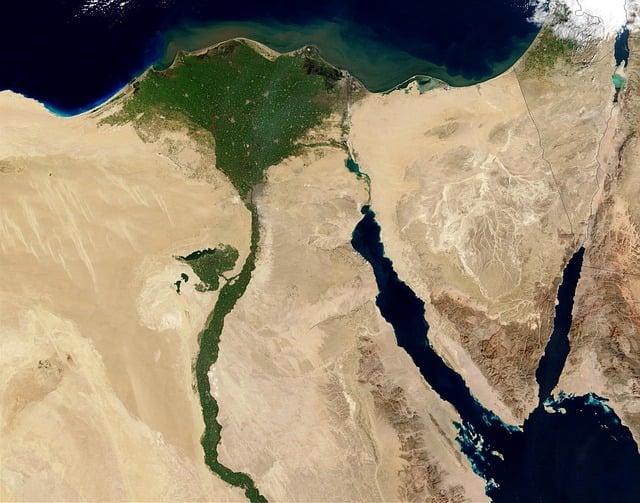
In recent years, the Horn of Africa has emerged as a focal point of geopolitical tension, with Egypt and Ethiopia at the forefront of escalating hostilities. the two nations find themselves embroiled in a complex struggle, largely fueled by longstanding disputes over the utilization of the Nile River’s resources, particularly considering Ethiopia’s Grand Ethiopian Renaissance Dam (GERD) project. this contentious issue not only threatens to destabilize the bilateral relationship between these two neighboring countries but also raises concerns about potential proxy wars erupting as regional and international actors seek to exploit the conflict for thier own strategic gain. As alliances shift and rivalries deepen, understanding the implications of these hostilities is essential for grasping the broader dynamics at play in the Horn of Africa—a region already reeling from a plethora of challenges, including civil unrest, humanitarian crises, and foreign interventions. This article delves into the current landscape of Egypt-Ethiopia relations, exploring the risks posed by increased tensions and the ensuing threat of proxy conflicts that could further complicate an already volatile region.
Escalating tensions in the Horn of Africa: Egypt and Ethiopia’s Ongoing Disputes
The Horn of Africa remains a geopolitical flashpoint, as the long-standing animosity between Egypt and Ethiopia continues to intensify. At the heart of this rivalry is the contentious management of the Nile River’s resources, exacerbated by Ethiopia’s Grand Ethiopian Renaissance Dam (GERD) project. While Ethiopia views the dam as crucial for its economic advancement,Egypt perceives it as an existential threat to its water supply.Key developments have included:
- Increased military maneuvers by both nations along border regions.
- Frequent diplomatic standoffs, frequently enough requiring international mediation.
- The resurgence of nationalistic rhetoric from both governments,complicating peace talks.
As tensions mount, the risk of proxy conflicts emerging in the region looms large, with neighboring nations possibly supporting one side over the other. The delicate balance of power in the Horn of Africa could be further destabilized by external alliances. The involvement of other regional players, such as Sudan and various Gulf states, raises critical concerns regarding the future of peace and stability. Consider the following potential effects:
| Potential Effects | Impact on Regional Stability |
|---|---|
| Increased military expenditures | Resource diversion from development to arms |
| Rise of extremist groups | Exploitation of instability for recruitment |
| Displacement of populations | Humanitarian crises leading to migration flows |

The Nile Conflict: Water Scarcity and Its Role in Regional Hostilities
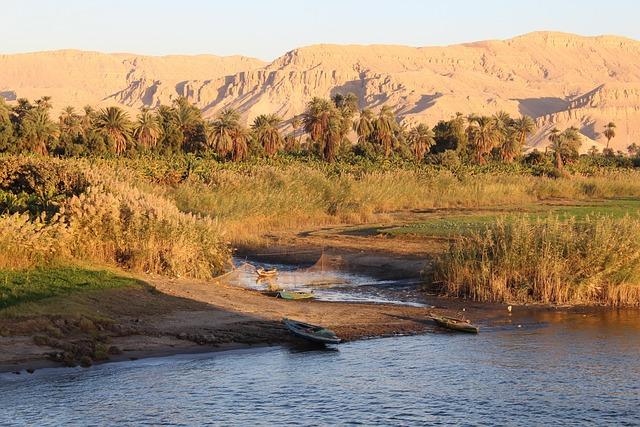
The Nile River, frequently enough referred to as the lifeblood of northeastern Africa, has become a focal point of contention between Egypt and Ethiopia, particularly due to the Grand Ethiopian Renaissance Dam (GERD).As Ethiopia continues to pursue its ambitious hydroelectric project, egypt fears that diminished water flow could lead to severe water shortages. The tension around this natural resource is underscored by several key factors:
- Past Agreements: Egypt’s claims are bolstered by colonial-era agreements that grant it substantial control over Nile waters.
- Regional Politics: The interplay of local and international politics complicates matters, as external actors may support one side over the other, escalating the conflict.
- ecological Impact: A decreased water supply could jeopardize agriculture and livelihoods for millions in Egypt, raising the stakes in this dispute.
The implications of this conflict extend beyond mere regional discord; they possess the potential to ignite broader hostilities,perhaps even proxy wars involving neighboring countries. Allies and adversaries alike could exploit the situation for their own strategic interests,which might lead to:
- Increased Militarization: An arms race could ensue as states bolster their military presence in response to perceived threats.
- Formation of Alliances: Countries might form strategic partnerships based on shared interests in the Nile, drawing lines in the sand.
- Greater Humanitarian Crises: Escalating tensions could result in forced migrations and humanitarian needs exacerbated by water scarcity.
As the conflict continues to unfold, the stakes remain high for all parties involved, making the quest for a diplomatic resolution all the more urgent.
Geopolitical Alignments: How Global Powers are Influencing Egypt-Ethiopia Relations
In the backdrop of escalating tensions between Egypt and Ethiopia, global powers have begun to redefine their diplomatic engagement strategies, thereby influencing the regional dynamics significantly. The construction of the Grand Ethiopian Renaissance Dam (GERD) has not only become a focal point of contention but has also attracted the interest of major players in international politics. Countries such as China, the United States, and Turkey have taken distinct stances, which may shift the balance of power in the Horn of Africa. china’s investment in Ethiopia’s infrastructure has led to a stronger economic bond that complicates Egypt’s appeal for international mediation. Meanwhile, the U.S.’s historic support for egypt amid ongoing negotiations has created a paradox were reliance on external powers could lead both nations away from self-persistent conflicts towards dependency on foreign interests.
Moreover, increasing military alliances in the region further exacerbate the situation, with various countries jockeying for influence. Recent developments have seen Ethiopia forging closer ties with Turkey, which has been providing military aid and thus potentially reinforcing its position against Egypt. On the other side, Egypt has been strengthening its ties with Gulf States like the United Arab emirates and saudi Arabia, who share its concerns about Ethiopian expansionism.This growing militarization raises concerns about regional security and the prospect of proxy conflicts manifesting, as these nations might engage more actively in supporting their allies through arms supplies or diplomatic backing. Maintaining equilibrium in these alliances is critical as the potential for conflict escalates, impacting not only Egypt and Ethiopia but the stability of the entire Horn of Africa.

Potential for Proxy Warfare: Identifying Risk Factors and Key Actors in the Region
The escalating tensions between Egypt and Ethiopia, particularly over the Grand Ethiopian Renaissance Dam (GERD), present a ripe setting for proxy warfare within the horn of Africa. A multitude of factors contribute to this volatile landscape, including historical grievances, resource scarcity, and regional power dynamics. As countries navigate their interests, local actors may find themselves caught in larger geopolitical battles, exacerbating existing conflicts. Key nations influencing this scenario include:
- Sudan: With its own territorial disputes and fraught relations with both Egypt and Ethiopia, Sudan could serve as a potential battleground for proxy conflicts.
- Turkey: Ankara’s growing military and diplomatic presence in the region may support one side over the other, complicating the local equilibrium.
- United Arab Emirates: The UAE’s investment in Ethiopia makes it a possible ally against Egyptian interests, while simultaneously leveraging influence in Sudan.
A deeper examination of regional alliances reveals the precarious balance of power that could easily tip into open conflict. The potential for proxy warfare is significantly influenced by external influences and internal divisions, creating fertile ground for both state and non-state actors. The table below outlines key players and their respective motivations in the ongoing crisis:
| Actor | Potential Role | Motivation |
|---|---|---|
| Egypt | Military deterrence | Protection of Nile water rights |
| Ethiopia | Defensive alliances | Economic development through dam projects |
| Foreign Powers | Support for regional allies | Geopolitical positioning |

Mitigating conflict: Strategies for Diplomatic Engagement and Negotiation in the Horn
The situation in the Horn of Africa, particularly regarding the tensions between Egypt and Ethiopia, underscores the urgent need for diplomatic engagement and effective negotiation strategies. As water scarcity exacerbates national interests, especially surrounding the Grand Ethiopian Renaissance Dam, regional stakeholders must utilize a multifaceted approach to mitigate conflict. Key strategies include:
- Inclusive Dialogue: Establishing platforms where all affected parties can voice their concerns fosters understanding and collaboration.
- Third-Party Mediation: Engaging neutral nations or international organizations can help facilitate discussions and offer unbiased solutions.
- Resource Sharing Agreements: Creating frameworks for equitable water sharing could alleviate competition over resources and build mutual trust.
Moreover, establishing confidence-building measures will play a crucial role in reducing tensions. This could involve:
- Joint development Programs: Initiatives that encourage cooperation in agriculture and energy can incentivize peaceful relations.
- Cultural Exchange Programs: Promoting people-to-people contacts can enhance mutual understanding and decrease hostilities.
- regular Multilateral Meetings: Frequent discussions among regional leaders can anticipate problems before they escalate into conflict.
| Strategy | Description |
|---|---|
| Inclusive Dialogue | Facilitating discussions amongst all stakeholders to foster understanding. |
| Third-Party Mediation | Utilizing neutral mediators to guide diplomatic conversations. |
| Joint Development Programs | Encouraging collaborative economic projects to build trust. |

Future Outlook: The Need for Sustainable Solutions and Cooperative Frameworks
the path forward for egypt and Ethiopia requires innovative approaches that prioritize sustainability and foster collaboration. Water management and resource sharing are critical components that can mitigate tensions. By establishing agreements that account for the needs of both nations, stakeholders can definitely help pave the way for a more secure and prosperous future.Key elements include:
- Joint management agreements for the Nile River
- Investment in sustainable agricultural practices
- Bilateral forums for dialogue and negotiation
To support these initiatives, it’s essential to develop cooperative frameworks that encourage dialogue and trust-building among the countries in the Horn of Africa. The role of international organizations and regional partnerships cannot be overstated, as they can facilitate discussions and offer platforms for conflict resolution. Collaborative projects may encompass:
- Shared infrastructure projects that benefit multiple nations
- Cross-border environmental initiatives to promote sustainability
- Cultural exchange programs to foster mutual understanding
| Key Issues | Potential Solutions |
|---|---|
| Water Scarcity | Effective water resource management |
| Regional Tension | Diplomatic engagement and dialogue |
| sustainable Development | Joint projects in agriculture and energy |

Final Thoughts
As tensions escalate in the Horn of Africa,the ramifications of the hostilities between Egypt and Ethiopia extend far beyond their respective borders.The intricate web of regional alliances and rivalries raises the specter of proxy wars that could draw in external powers and exacerbate existing conflicts. The stakes are high, not only for the nations directly involved but for the broader stability of the region. As stakeholders navigate this precarious landscape, the need for diplomatic engagement and conflict resolution becomes increasingly urgent. The coming months will be critical in determining whether the Horn of Africa will descend further into strife, or forge a path toward reconciliation and cooperation. Awareness of these dynamics is vital for understanding the complex interplay of local and international interests at play, and for fostering informed discussions about potential solutions that could avert a larger crisis.