
In a important leap towards enhancing digital infrastructure, Nigeria is making substantial strides in digital transformation (DX) and 5G technology with the installation of 7,000 new telecom towers across the nation. This enterprising initiative, highlighted in a recent report by ITWeb Africa, underscores Nigeria’s commitment to bridging the digital divide and fostering a more connected society. As the country positions itself to harness the full potential of advanced telecommunications, the deployment of these towers promises to bolster internet connectivity, stimulate economic growth, and drive innovation across various sectors, from education to healthcare. With this development, Nigeria aims not only to meet the increasing demand for high-speed internet but also to lay the groundwork for a robust digital economy that can compete on a global scale.
Nigeria’s Expanding Digital Landscape through Telecom Investments

Nigeria is witnessing a remarkable transformation in its digital infrastructure, primarily driven by significant investments in telecommunications. With the recent installation of 7,000 new telecom towers, the nation is gearing up to enhance connectivity and propel its digital experience (DX) to unprecedented heights. These advancements promise to cater to the growing demand for reliable internet access, especially in rural and remote areas, fostering inclusivity and stimulating economic growth. The introduction of these telecom towers is not just about enhancing the network; it is indeed a leap towards unlocking new opportunities in e-commerce, education, and digital services.
This surge in telecom investments is also a crucial step towards the rollout of 5G technology. As the backbone of the next generation of internet connectivity, 5G holds the potential to revolutionize various sectors, from healthcare to transportation. With improved speed and reduced latency, users can expect a seamless experience that will enable smart city innovations and support the rapid digitization of industries. Key areas that will benefit include:
- Smart Agriculture: Leveraging IoT technologies for data-driven farming.
- Telemedicine: Expanding access to quality healthcare services.
- Education: Facilitating remote learning and digital classrooms.
- Banking: Enhancing mobile payment systems and financial inclusion.
The Role of New Telecom Towers in enhancing Connectivity

The deployment of new telecom towers in Nigeria represents a significant leap towards bridging the connectivity gap across urban and rural areas. These towers play a crucial role in enhancing network coverage and improving service quality, which is pivotal for the adoption of advanced technologies like 5G and digital transformation (DX) initiatives. By facilitating greater bandwidth and reducing latency, the new infrastructure not only supports better voice and data services but also enables innovations in various sectors such as healthcare, education, and e-commerce. Consequently, more Nigerians can engage with digital platforms, enhancing overall productivity and economic growth.
Furthermore,the strategic placement of these towers will address the increasing demand for reliable internet connectivity,which has surged due to the rise of remote work and digital content consumption. The towers are equipped with cutting-edge technology designed to handle vast amounts of data traffic, ensuring that users experience uninterrupted service even during peak hours. This initiative is expected to lead to:
- Improved access to high-speed internet in underserved regions.
- Enhanced disaster recovery capabilities through robust network infrastructure.
- Stimulation of local economies by enabling new business opportunities.
5G Implementation: opportunities and Challenges for Nigerian Businesses
The rollout of 5G technology in Nigeria presents a transformative prospect for businesses to enhance operational efficiencies and innovate service delivery. with the introduction of 7,000 new telecom towers, companies can leverage the unprecedented speed and lower latency of 5G networks to improve connectivity. This modern infrastructure paves the way for advanced technologies like the Internet of Things (IoT), enabling real-time data exchange and smarter decision-making processes. Moreover, sectors such as healthcare, agriculture, and finance can expect significant advancements through enhanced telemedicine, precision farming, and digital banking solutions.
However, the shift to 5G is not without its challenges. Cost considerations associated with upgrading existing infrastructure to accommodate new technology can strain budgets, particularly for small and medium-sized enterprises. Additionally, the need for skilled personnel to manage and implement new systems is critical, as is addressing concerns related to cybersecurity in a rapidly evolving digital landscape. Businesses must also grapple with regulatory hurdles and public acceptance of 5G technology, which may require extensive outreach to inform stakeholders about its benefits and safety.
Future-Proofing Nigeria’s Telecommunications infrastructure

As Nigeria embarks on a significant telecommunications expansion, the introduction of 7,000 new telecom towers represents a pivotal step in enhancing connectivity and digital infrastructure across the nation. This ambitious project aims to support the increasing demand for data services and bolster the country’s transition to next-generation technologies, namely DX (digital Transformation) and 5G. By strategically deploying these towers, Nigeria is not only addressing current connectivity issues but also laying the groundwork for future innovations in various sectors.
the new infrastructure is expected to provide improved network reliability and speed, catering to both urban and underserved rural areas. Key benefits of this initiative include:
- Enhanced Coverage: Extended network reach into remote regions.
- Increased Capacity: Support for a higher volume of simultaneous connections.
- Lower Latency: Facilitation of real-time communication for critical applications.
- Economic Growth: Empowering local businesses and attracting foreign investment.
To ensure that the infrastructure remains sustainable and efficient, collaborations with technology providers and stakeholders will be crucial. The government’s commitment to fostering a favorable regulatory surroundings will further encourage innovation and investment, ensuring that Nigeria not only keeps pace with global trends but also sets new benchmarks in the telecommunications industry.
Strategies for Maximizing the Impact of Digital Transformation

As Nigeria continues to evolve in its digital transformation journey, leveraging the deployment of over 7,000 new telecom towers is crucial for enhancing connectivity and accessibility. to maximize the impact of digital transformation efforts, stakeholders must focus on creating solid infrastructures that support both urban and rural communities. By prioritizing the following strategies, organizations can considerably improve their digital footprint and foster innovation:
- Enhanced Collaboration: Foster partnerships between public and private sectors to pool resources and expertise, enabling swift project implementation.
- Investment in Training: Equip the workforce with necessary digital skills through targeted training programs, ensuring that employees are well-prepared to adapt to new technologies.
- User-Centric Design: Incorporate feedback from end-users in the design process of digital tools and services to create solutions that truly meet the needs of the population.
- Agile Infrastructure Development: Adopt agile methodologies in infrastructure development to allow for quicker adjustments in response to market changes and user feedback.
Furthermore, it is essential to track and measure the progress of digital transformation initiatives through established metrics.The following table illustrates key performance indicators (KPIs) that can serve as benchmarks for assessing the effectiveness of digital strategies:
| Indicator | Description | Target Value |
|---|---|---|
| Network Coverage | Percentage increase in nationwide 5G coverage | 80% |
| User Adoption rate | Proportion of population using digital services | 70% |
| Training Completion Rate | Percentage of employees trained in digital skills | 90% |
| Customer Satisfaction Score | User satisfaction with digital tools and services | 85% |
policy Recommendations to Support Sustainable Telecom Growth in Nigeria
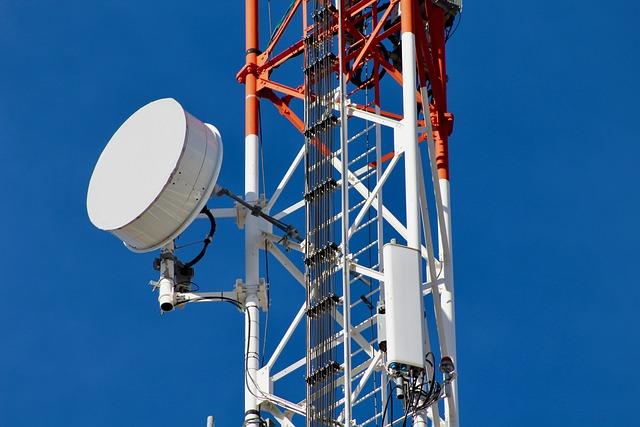
To harness the full potential of Nigeria’s burgeoning telecom sector, a multifaceted approach to policy formulation is paramount. Key stakeholders, including government entities and private telecom operators, should collaborate to establish a streamlined regulatory environment that encourages innovation while ensuring consumer protection. Policies should primarily focus on the following:
- Investment Incentives: Provide tax breaks and subsidies to telecom companies investing in technology upgrades and infrastructure development.
- Spectrum Management: Optimize spectrum allocation to ensure efficient use of the radio frequency resources, particularly for 5G services.
- Public-Private Partnerships: Foster collaborations between public entities and private firms to extend network coverage to underserved and rural areas.
- Skill Development: Invest in training programs that equip the workforce with necessary skills for the evolving telecom landscape.
Alongside these initiatives, it is indeed essential to bolster the cybersecurity framework to protect infrastructure and consumer data. Establishing robust legal structures that address cyber threats will enhance consumer trust and promote participation in digital platforms. To facilitate these advancements, the government could implement a framework to monitor and evaluate telecom growth, highlighting:
| Area of Focus | Proposed Measure |
|---|---|
| Infrastructure | Develop a national broadband plan to improve internet access. |
| Consumer Rights | Establish a consumer oversight committee for telecom services. |
| Research & Development | Fund initiatives on emerging technologies like IoT and AI in telecom. |
Final Thoughts
Nigeria’s ambitious rollout of 7,000 new telecom towers marks a significant step forward in the nation’s digital transformation and 5G adoption.This strategic move not only enhances connectivity across urban and rural areas but also positions nigeria as a key player in the African telecommunications landscape. As the country paves the way for improved digital services and economic growth, the implications of this expansion are far-reaching—possibly transforming sectors such as e-commerce, healthcare, and education. With ongoing investments in infrastructure, Nigeria is on a promising trajectory towards becoming a hub for innovation and technology in the region, fostering opportunities for businesses and individuals alike. As advancements continue, stakeholders will undoubtedly be watching closely to see how this initiative shapes the future of telecommunications in Nigeria and beyond.