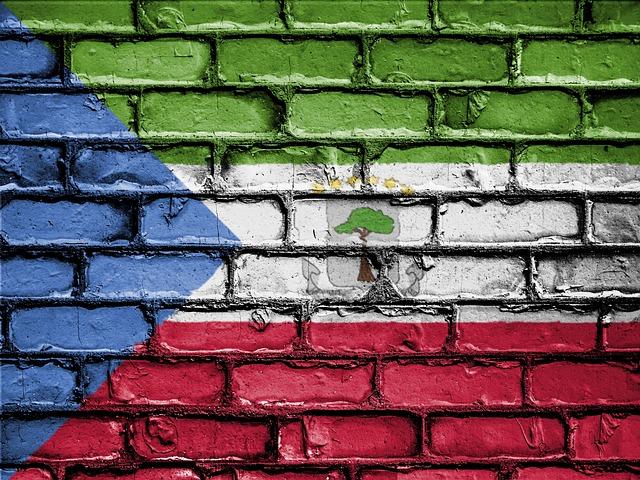
Equatorial guinea Launches New Oil & Gas Licensing Round After Six Years
In a significant advancement for the global energy sector, Equatorial Guinea has announced the launch of a new licensing round for oil and gas exploration after a six-year hiatus. This initiative, orchestrated by the Ministry of Mines and Hydrocarbons, aims to attract investment and rejuvenate the nation’s hydrocarbon production, which has seen a notable decline in recent years. As Equatorial Guinea seeks to leverage its rich offshore resources and diversify its energy portfolio, industry analysts are keenly observing how this fresh licensing round will impact not only the country’s economic landscape but also the broader dynamics of the oil and gas market in West Africa. With keen interest from both local and international energy companies, the upcoming bidding process may usher in a new era of exploration and exploitation in one of Africa’s pivotal oil-producing nations.
Equatorial Guinea Announces New Oil and Gas Licensing Round After Extended Hiatus

In a significant move for the energy sector, Equatorial Guinea has declared a new oil and gas licensing round, marking an vital pivot after a six-year moratorium on new auction opportunities. This initiative aims to revitalize the nation’s hydrocarbons industry, which has faced challenges in recent years, including declining production and global shifts in energy landscapes. By inviting investments in offshore oil and gas projects, the government anticipates reinvigorating its economy and attracting foreign capital essential for further exploration and development.
This licensing round will encompass several key blocks in the country’s territorial waters, with a focus on promising areas that have remained unexplored for too long. Interested companies are encouraged to participate, leveraging advancements in technology and methods that promise more efficient extraction processes. the government has outlined several attractive incentives for potential investors, including:
- Favorable Tax Regime: Competitive fiscal terms tailored to enhance profitability.
- Streamlined Permitting: A more efficient regulatory process aimed at reducing bureaucratic delays.
- Long-Term Stability: Assurance of a predictable investment environment.
To facilitate engagement, a series of informational webinars and workshops will be scheduled, aimed at educating prospective bidders about the terms and opportunities within the licensing round. The government of Equatorial Guinea emphasizes its commitment to building a sustainable energy future while ensuring that local communities benefit from the oil and gas sector’s growth.
| key Blocks | Status | initial Investment Potential |
|---|---|---|
| Block E | Open for Bidding | $50 Million |
| Block F | Open for Bidding | $60 Million |
| Block G | Open for Bidding | $75 Million |
Impacts of the Licensing Round on National Economy and Energy Sector

The new licensing round is poised to inject a significant boost into Equatorial Guinea’s economy by attracting foreign investment and invigorating the local job market. By offering contracts for new exploration and production opportunities, the government aims to generate increased revenue streams that can be allocated to critical sectors such as healthcare, education, and infrastructure. This influx of capital is expected to lead to the creation of numerous jobs, both directly within the energy sector and indirectly through ancillary services. Key benefits include:
- Increased Foreign Direct Investment (FDI): The licensing round is likely to appeal to international oil companies seeking opportunities, thereby increasing FDI.
- Job Creation: New exploration and development projects will generate employment for the local workforce.
- Economic Diversification: Revenue from the energy sector can support the development of non-oil industries.
Moreover, revitalization of the energy sector through this initiative could lead to improved energy security and competitiveness within the region. The increased production capacities are expected to enhance Equatorial Guinea’s position as a significant player in the global oil and gas market,leading to greater bargaining power in international negotiations. Additionally, the revenue from licensing fees and taxes will facilitate government investments in sustainable technologies and renewable energy projects, fostering a transition towards a more resilient and diverse energy portfolio. A projected economic impact can be structured as follows:
| Impact Area | Projected Growth |
|---|---|
| Foreign Investment | +30% increase in 2 years |
| Job Opportunities | +5,000 new jobs |
| GDP Contribution | +2% per annum |
Key Opportunities for International Investors in Equatorial Guinea’s Energy Landscape

Equatorial Guinea’s renewed focus on its energy sector presents a wealth of prospects for international investors looking to make strategic advancements in the oil and gas sphere. With the government’s proclamation of a new licensing round, there are several key areas ripe for exploration and production. Investors can anticipate favorable contractual terms, enhanced investment incentives, and the chance to contribute to the nation’s economic goals while engaging in projects that leverage innovative technologies. Additionally, the country’s strategic location along vital shipping routes offers potential for significant logistical advantages in the distribution of resources.
Key opportunities for investment include:
- expansive Exploration Potential: Access to unexplored areas in both shallow and deepwater terrains.
- Local Partnerships: Collaborating with established local entities for greater market penetration and insight.
- Infrastructure Development: Opportunities in building and upgrading facilities, pipelines, and processing plants.
- Environmental Initiatives: Engaging in clean energy projects and sustainable practices aligned with global standards.
The government’s commitment to modernizing its regulatory framework further enhances the investment climate. To illustrate the current landscape and the potential benefits available to international companies,the following table summarizes the main opportunities and their corresponding incentives:
| Prospect | Incentives |
|---|---|
| Oil & Gas Exploration | tax breaks,streamlined approval processes |
| Infrastructure Investment | Government guarantees,public-private partnerships |
| Renewable Energy Projects | Grants for clean technology implementation |
Regulatory Changes and Strategic Initiatives to Attract Oil and Gas Exploration
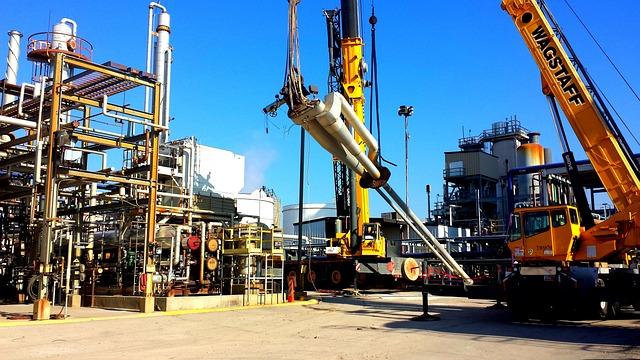
In a strategic move to rejuvenate its oil and gas sector, Equatorial Guinea is implementing a series of regulatory changes designed to simplify the licensing process and attract international investment.These initiatives aim to create a more favorable environment for exploration and production activities. Some of the key changes include:
- Streamlined Licensing Procedures: Reducing the bureaucracy involved in obtaining exploration licenses, allowing companies to commence operations faster.
- Tax Incentives: Offering competitive tax breaks and incentives for both local and foreign investors to encourage participation in upcoming licensing rounds.
- Partnership Opportunities: Promoting joint ventures with state-owned entities to leverage local expertise and resources.
To further amplify its appeal,the government has outlined strategic initiatives designed to highlight the country’s untapped potential. By emphasizing key geological formations and previously unexplored areas, Equatorial Guinea is poised to attract major industry players. A detailed overview of incentives and expectations for the new licensing round is showcased in the table below:
| Incentives | Description |
|---|---|
| Reduced Royalties | Implementation of reduced royalty rates for initial production phases. |
| Investment Protection | Guarantees against expropriation and support for dispute resolution. |
| Infrastructure development | Government support for the development of necessary infrastructure to facilitate exploration. |
Challenges Ahead: Addressing Infrastructure and Environmental Concerns
As Equatorial guinea embarks on its new oil and gas licensing round, it is essential to recognize the infrastructure challenges that may hinder its ambitious goals.The existing infrastructure, while serving its purpose, faces significant strain due to increased demand from both domestic and international stakeholders. Furthermore, the nation’s logistical capabilities, including transportation and refining systems, must be optimized to adequately support new exploration initiatives. These issues underline the need for strategic partnerships and investment in infrastructure development that can facilitate efficient, sustainable operations.
on the environmental front,Equatorial Guinea’s drive to expand its oil and gas industries raises important concerns. The government will need to implement rigorous sustainability measures to mitigate the ecological risks associated with increased production.Key considerations include:
- Monitoring and minimizing an oil spill risk
- Preserving marine biodiversity in offshore regions
- Ensuring compliance with international environmental standards
To address these pressing environmental challenges, adopting innovative technologies and practices that promote environmental stewardship will be critical.Striking a balance between economic growth and ecological preservation will not only enhance the country’s reputation but also foster a more resilient industry moving forward.
Future Prospects for Sustainable Energy Development in Equatorial Guinea
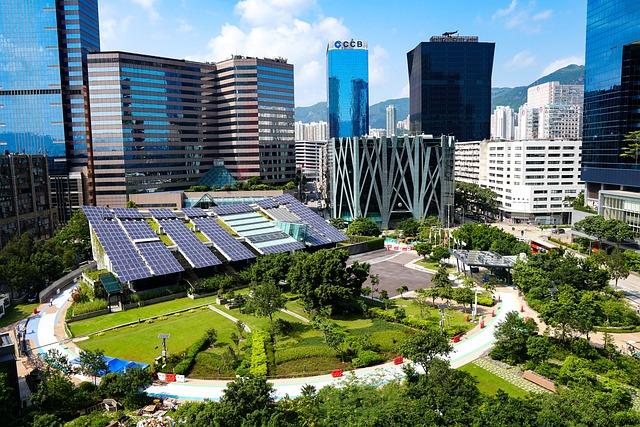
The recent announcement of a new oil and gas licensing round in Equatorial Guinea opens a significant chapter for the nation’s energy landscape, with implications that stretch into sustainable development. While the focus may be on traditional fossil fuels, it is essential that the nation also embraces renewable energy initiatives alongside its hydrocarbon ambitions. the integration of cleaner technologies and investments in solar,wind,and biomass could not only enhance energy security but also support the country’s commitment to reducing carbon emissions. By prioritizing sustainability, Equatorial Guinea could position itself as a leader in green energy on the African continent.
To facilitate this transition toward sustainable energy, it’s critical for the government and industry stakeholders to actively engage in the following strategies:
- Diversifying energy sources to include more renewables and reduce dependency on oil and gas.
- Investing in infrastructure to support the deployment of sustainable technologies.
- Encouraging foreign investment in clean energy projects through favorable policies and incentives.
- Promoting research and development in innovative energy solutions tailored to local needs.
Moreover, collaborative efforts with international organizations can play an instrumental role in driving this agenda, possibly leading to considerable economic growth while safeguarding the environment. A clear roadmap for sustainable energy development will ensure that Equatorial Guinea not only leverages its hydrocarbon resources but also steps boldly toward a greener future.
In Summary
Equatorial Guinea’s decision to embark on a new oil and gas licensing round marks a significant strategic shift for the nation, signaling its commitment to revitalizing its hydrocarbon sector after a prolonged hiatus. With the potential to attract international investment and stimulate economic growth, this initiative underscores equatorial Guinea’s determination to enhance its position in the global energy market.As the country navigates the complexities of a rapidly changing energy landscape, stakeholders will be keenly watching how this licensing round unfolds and the implications it may have for the region’s energy dynamics. With the right partnerships and sustainable practices, Equatorial Guinea aims not only to increase production but also to leverage its resources for broader socio-economic development.