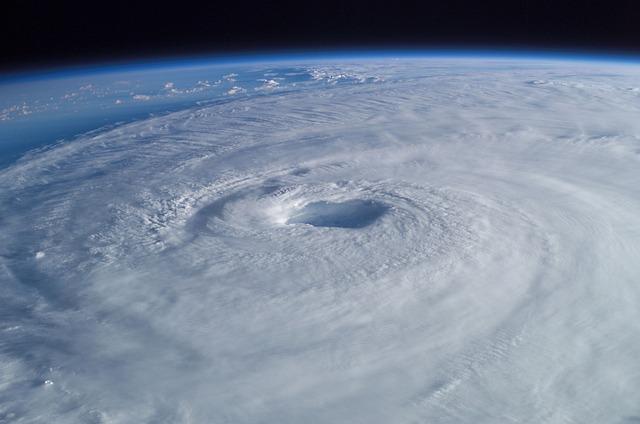
Cyclone Garance Triggers Class 3 Alert, Shuts Down Mauritius Airport
In a significant escalation of weather-related concerns, Cyclone Garance has prompted authorities in Mauritius to issue a Class 3 alert, marking a critical response to the severe weather conditions sweeping across the region. As winds intensify and heavy rainfall looms, the island nation has taken precautionary measures that include the temporary shutdown of key infrastructure, notably Sir Seewoosagur ramgoolam International Airport.This decision comes as the cyclone approaches, with forecasts predicting potential disruptions to daily life and commerce.residents and travelers are urged to stay informed and adhere to official guidelines as the government mobilizes resources to ensure safety amidst this natural threat.In the following article,we will delve into the latest developments surrounding Cyclone Garance,its impact on the island,and the response measures being implemented by local authorities.
Cyclone Garance Develops Into a Class 3 Weather Event
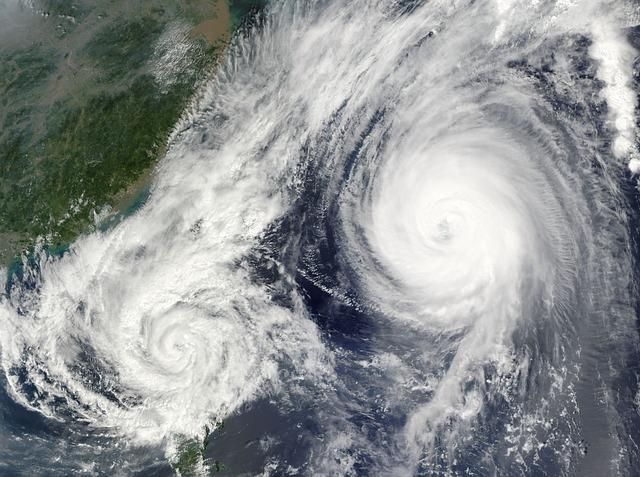
the situation in Mauritius has escalated rapidly as Cyclone Garance intensifies to a Class 3 weather event, bringing significant concerns for residents and officials alike. With wind speeds exceeding 120 km/h, the cyclone has prompted a Class 3 alert, leading to the temporary closure of Sir Seewoosagur Ramgoolam International Airport. Authorities are cautioning residents to brace for severe weather conditions, which include torrential rains, high winds, and potential flooding. Key impact areas identified are:
- Coastal Regions: High swell and coastal flooding warnings in effect.
- Inland Areas: Risk of landslides and flash floods due to saturated ground.
- Emergency Services: Preparedness protocols activated for swift response.
local meteorological services have been closely monitoring Cyclone Garance’s trajectory, urging communities to remain vigilant. Schools and public transportation services are also affected as officials prioritize safety and evacuation measures for vulnerable populations. In light of the cyclone’s development, the following emergency response guidelines are being disseminated:
| Action | Description |
|---|---|
| stay Indoors | Seek shelter away from windows and doors. |
| Emergency Kits | Prepare essentials like food, water, and medications. |
| Stay Informed | Monitor local news for updates and advisories. |
Impact of Cyclone garance on Mauritian Infrastructure and Daily Life

The repercussions of Cyclone Garance on the infrastructure of Mauritius have been both immediate and far-reaching. With wind gusts exceeding 150 km/h, the storm caused significant damage to buildings and utilities across the island. Reports indicate extensive power outages affecting over 70% of the population, leading to widespread disruption. Residents faced several challenges, including:
- Severe flooding in low-lying areas, compromising roads and public transport.
- Downed power lines causing outages and posing safety hazards.
- Damaged homes and public buildings requiring urgent repairs.
Daily life has been markedly altered as citizens grapple with the aftermath. Essential services, such as healthcare and education, have been interrupted due to infrastructure damage, prompting local authorities to establish emergency response teams.Schools remain closed, and many students have been displaced as families cope with the loss of their homes. The following table summarizes the key impacts on daily activities:
| Impact Area | Description |
|---|---|
| Transport | Roads blocked by debris,affecting commutes and logistics. |
| healthcare | Limited access to medical facilities due to infrastructural damage. |
| Education | Schools closed, affecting students’ academic schedules. |
Airport Shutdown: Consequences for Travelers and Local Economy
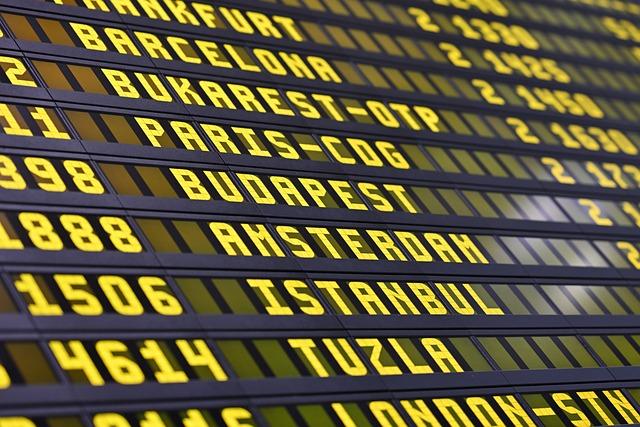
The unexpected shutdown of Mauritius Airport due to Cyclone Garance has sent ripples across the travel community,affecting thousands of passengers. With flights grounded, travelers face uncertainty as they navigate through canceled itineraries, rescheduled flights, and potential accommodation issues. key consequences include:
- Increased travel chaos with long wait times for rebooking.
- Heightened expenses for stranded travelers seeking last-minute lodging.
- Potential loss of significant business revenue for airlines and tour operators.
Moreover, the local economy, heavily reliant on tourism, feels the aftershocks of the airport’s closure. businesses in proximity to the airport and those serving travelers, such as hotels, restaurants, and transport services, are bracing for a downturn. The potential long-term impact can be categorized as follows:
| Impact Category | Short-Term effects | Long-Term Considerations |
|---|---|---|
| Tourism | Decrease in tourist arrivals | Reputation risk for future travel |
| Local Businesses | Drop in customer traffic | Potential for closures or layoffs |
| Transportation Services | Reduced bookings | Impact on driver livelihoods |
Emergency Preparedness: What Citizens and Tourists Should Do

In light of the Class 3 alert issued due to Cyclone Garance, it is crucial for both citizens and tourists in Mauritius to take immediate precautionary measures. Authorities advise staying informed about weather updates and potential evacuation orders. Individuals should secure their homes, ensuring windows and doors are locked and reinforcing any vulnerable areas.Here are some key steps to follow:
- stock up on essentials: Water, non-perishable food items, and medical supplies.
- Prepare an emergency kit: Include flashlights, batteries, and a first-aid kit.
- Designate a safe location: Know where to seek shelter in case of severe conditions.
- stay connected: Keep your mobile devices charged and have backup power sources.
- follow local advisories: Regularly check for updates from local authorities and the meteorological services.
For tourists, understanding the risks and adhering to safety protocols is equally significant. Ensure you are aware of your hotel’s emergency plans, including evacuation routes and safety measures.Personal safety should be prioritized, thus consider the following guidelines:
- Stay in contact with your accommodation: Notify staff of your whereabouts.
- Avoid unneeded travel: Stay indoors unless travel is essential.
- Familiarize yourself with local emergency numbers: Keeping these handy can be crucial.
- Keep identification documents secure: Have copies stored separately from originals.
Response Efforts and Government Support during the Crisis

In the wake of Cyclone Garance,government agencies have stepped up to ensure the safety and well-being of the affected populations. Emergency shelters have been established across the island to accommodate those displaced by the storm. Coordination between various departments has seen emergency response teams deployed to the most impacted areas, equipped with essential supplies such as food, water, and medical aid. Additionally, the National Disaster Management Centre has been actively disseminating real-time details to the public via social media and local radio stations, urging residents to stay informed and adhere to safety protocols.
Moreover, financial aid is being mobilized to support recovery efforts.The government has outlined a comprehensive plan that includes the following key initiatives:
- Speedy Relief Packages: Immediate disbursal of funds to support families affected by the cyclone.
- Infrastructure Repair Funds: Allocation for the restoration of damaged roads, bridges, and essential services.
- Long-term Support Mechanisms: plans to assist in rebuilding homes and businesses through low-interest loans.
| Response Initiative | Description | Status |
|---|---|---|
| Emergency Relief Centers | Shelters for displaced residents | Established |
| Local Distribution points | Food and water distribution | ongoing |
| Financial Support | Aid for families and businesses | In Planning |
Long-Term Implications of Climate Change on Cyclone Frequency in the Region

The frequency of cyclones in the region is expected to increase dramatically as climate change takes a firmer hold. Rising sea temperatures, which are projected to soar due to anthropogenic factors, create an environment more conducive to cyclone development. Key factors influencing this trend include:
- Elevated sea temperatures leading to stronger storm systems.
- Changes in ocean currents that can alter cyclone pathways.
- Increased humidity in the atmosphere, providing more fuel for storm formation.
Moreover, coastal regions, such as Mauritius, may experiance more frequent and intense storms that can result in severe economic and social repercussions. Infrastructure, agricultural productivity, and community resilience are all at risk, as extreme weather events become more commonplace.Projected impacts might include:
| Impact Area | Projected Changes |
|---|---|
| Infrastructure | Increased damage and repair costs |
| Agriculture | Decline in crop yields |
| Community Health | Increased vulnerability to disease outbreaks |
Final Thoughts
Cyclone Garance’s emergence has prompted significant safety measures in Mauritius, leading to the issuance of a Class 3 alert and the temporary closure of Sir Seewoosagur ramgoolam International Airport. As the authorities remain vigilant and continue to assess the storm’s trajectory and potential impact, residents are advised to stay informed through official channels and adhere to safety guidelines. While the situation evolves, the community’s resilience will be tested, and the importance of preparedness cannot be overstated. News Central will keep you updated on further developments as the story unfolds.