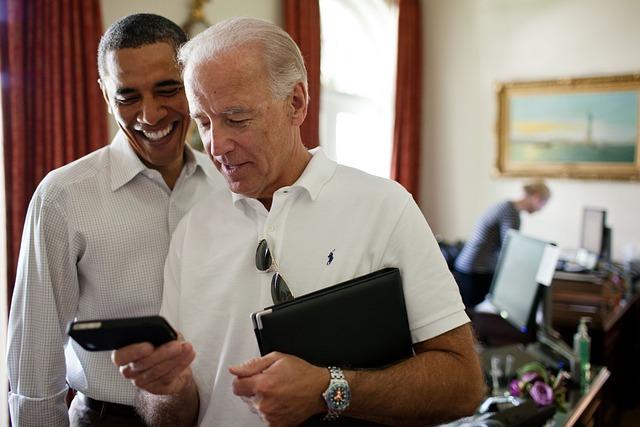
In a poignant moment that underscored the ongoing reckoning with america’s history, President Joe Biden addressed the enduring legacy of slavery during his recent visit to Angola, a country that bears deep historical connections to the transatlantic slave trade. Speaking at a press conference, Biden referred to slavery as America’s “original sin,” acknowledging the profound impact it has had on the nation’s development and its present-day societal challenges. His remarks come at a time when discussions about racial justice and historical accountability are at the forefront of American discourse. This visit not only highlights the meaning of Angola in the narrative of African American history but also reflects Biden’s commitment to confronting uncomfortable truths about the past in the pursuit of a more equitable future. As the president engages with African leaders and communities, his statements aim to foster a deeper understanding of the past and its ramifications, both in the U.S. and abroad.
Joe biden reflects on the Legacy of Slavery During Historic Angola Visit

During his visit to Angola, President Joe Biden engaged in an essential dialogue about America’s complex relationship with the legacy of slavery. He acknowledged the profound impact of this “original sin” not just on the nation’s history but also on its present social fabric. In a powerful address, Biden emphasized the importance of remembrance and reconciliation, stating that understanding past injustices is crucial for forging a more equitable future. His remarks served as a stark reminder of the ongoing struggles against systemic racism and the need for collective healing within society.
In highlighting Angola’s historical significance as a former hub in the transatlantic slave trade, Biden underscored the essential role that Africa plays in understanding the depth of these injustices. He expressed his commitment to fostering a partnership that honors the memories of those who suffered and acknowledges their contributions to the prosperity of the United States. As part of this dialogue, he presented a plan to enhance educational exchanges and cultural programs, aiming to create a deeper connection between the U.S. and African nations. Key points discussed included:
- Investment in Education: Initiatives to promote awareness of african history in American schools.
- Cultural Collaboration: Joint programs to explore African-American heritage.
- Economic partnerships: Supporting African economies through fair trade agreements.
Understanding the Context of America’s Original Sin in the Global Arena

Joe Biden’s recent remarks during his visit to Angola marked a significant acknowledgment of the historical ramifications of slavery, often referred to as America’s “original sin.” This trip highlighted not only the legacy of slavery within the united States but also its far-reaching impact on former colonies and the broader global community. By recognizing these ties, Biden emphasized the need for a global conversation about the effects of colonialism, racism, and the ongoing struggles for social justice.
In addressing this sensitive history, Biden pointed to the necessity of fostering diplomatic relationships that are rooted in understanding and cooperation. The following key points emerged from his visit, underscoring the interconnectedness of slavery and modern-day challenges:
- Historical Legacy: The long-lasting impact of slavery shapes cultural identities and social dynamics in both America and Africa.
- Restorative Justice: Initiatives aimed at reparations and acknowledgment of historical injustices are crucial for healing.
- Global Obligation: The United States has a role in addressing racial injustices globally,fostering alliances built on mutual respect and recognition.
The Significance of Biden’s Address for American discourse on Race

President Biden’s recent remarks during his visit to Angola have sparked crucial discussions regarding the legacy of slavery and its ongoing impact on American society. By acknowledging the historical injustices associated with slavery,Biden is not only recognizing America’s painful past but also laying groundwork for a broader dialogue about race and reconciliation in contemporary America. His address underscores the importance of confronting these issues openly, aiming to foster a more inclusive national narrative that encourages healing and understanding among diverse communities.
In biden’s speech, he emphasized the necessity of collective responsibility, urging Americans to engage in difficult conversations about race. This focus on racial equity can lead to a deeper exploration of systemic issues, including:
- Economic Disparities: Addressing the lasting effects of economic inequality rooted in slavery.
- Social Justice: Promoting policies that dismantle systemic racism across institutions.
- Education: Enhancing curriculum to reflect the true history of race in America.
- Community Engagement: Fostering discussions at the grassroots level to amplify voices affected by racial injustice.
Connecting with Angola: A Historical Perspective on Slavery and Resistance

The historical ties between the United States and Angola unveil a profound narrative of human suffering and resilience. Angola, once a pivotal location in the Transatlantic Slave Trade, provided millions of enslaved individuals to the Americas. This tragic chapter in history can be summarized through key points:
- Colonial Exploitation: Portuguese colonization led to the establishment of exploitative systems that stripped Angolans of their autonomy.
- Slave Trade Routes: Major ports like Luanda became significant hubs, facilitating the forced migration of Angolans to plantations across the Americas.
- Cultural Impact: The forced displacement resulted in an immense cultural exchange, influencing music, religion, and traditions in both regions.
- Resistance Movements: Despite the brutality, Angolans frequently resisted oppression, with notable figures emerging as symbols of the fight against colonial rule.
During a recent visit, President Biden’s acknowledgment of slavery as America’s “original sin” sparked conversations about the enduring ramifications of these historical injustices. This reflection not only calls for healing and reconciliation but also challenges contemporary society to confront this legacy head-on. The importance of understanding the role Angola played in shaping the narrative of slavery in the U.S. is underscored in the following table,highlighting significant events and their impacts:
| Event | Date | Impact |
|---|---|---|
| Portuguese Colonization Begins | 1575 | Establishment of the slave trade routes. |
| First Slaves Arrive in America | 1619 | beginning of the African diaspora in the United States. |
| Angola’s Independence | 1975 | End of colonial rule; emergence of resistance movements. |
Recommendations for Addressing Racial Injustice in the 21st Century

in navigating the complex landscape of racial injustice in the 21st century, it is imperative for policymakers, community leaders, and citizens to take intentional actions that address both the historical and systemic roots of inequality. To foster meaningful change, the following approaches should be prioritized:
- Educational Reform: Implement curricula that accurately reflect the history of slavery, the civil rights movement, and ongoing racial issues, ensuring that students understand the depth of America’s racial history.
- Engagement Initiatives: Encourage dialogues between diverse communities to foster understanding and collaboration, facilitating a shared commitment to confronting prejudice and systemic biases.
- Policy Advocacy: Lobby for comprehensive reforms in criminal justice, housing, and employment that directly address disparities faced by marginalized communities.
- Support for Grassroots Movements: Allocate resources and visibility to grassroots organizations dedicated to combating racial injustice and supporting marginalized communities.
In measuring the effectiveness of these initiatives, a framework for accountability must be established.The following table outlines critical metrics for assessing the progress of racial equity efforts:
| Metric | Current Status | target Goal |
|---|---|---|
| racial Equity in Education Funding | 60% Inequality | 0% Inequality |
| Workforce Diversity | 30% Depiction | 50% Representation |
| criminal Justice Reform Implementation | 40% Complete | 100% Implementation |
Building Bridges: Future Steps for U.S.-Angola Relations Beyond Historical apologies

The visit by President Joe Biden to Angola opens a new chapter in U.S.-Angola relations, emphasizing the need to move beyond historical grievances and focus on meaningful partnership initiatives. Recognizing the legacy of slavery and its impacts is only the first step; true progress lies in fostering economic, cultural, and diplomatic ties that benefit both nations.Future collaborations could include:
- Trade and Investment: Encouraging American businesses to explore opportunities in Angola’s emerging markets.
- Cultural Exchanges: Promoting programs that celebrate the rich Angolan heritage while educating Americans about Angola’s modern contributions.
- Climate Initiatives: Working together to address climate challenges in Angola, leveraging U.S. technology and expertise.
This partnership can be further strengthened through collaborative efforts in education, health care, and security. by addressing contemporary issues and focusing on mutual development goals, both nations can establish a path forward that honors the past while creating a brighter future. A foundational framework for these initiatives could involve:
| Focus Area | Potential Collaboration |
|---|---|
| Healthcare | Joint programs to improve access and technology transfer. |
| Education | Scholarships for angolan students to study in the U.S. and vice versa. |
| Security | Cooperation on counter-terrorism and regional stability efforts. |
In Retrospect
President Joe Biden’s visit to Angola marked a significant moment in acknowledging the historical implications of slavery and the enduring legacy of racism in America. By addressing the nation’s “original sin,” Biden underscored the importance of confronting past injustices to foster a more equitable future. His remarks not only highlighted the critical conversation around reparative justice but also emphasized the necessity of international cooperation in addressing the ongoing impacts of slavery. As the United States continues to grapple with its history, Biden’s commitment to recognizing and addressing these issues is a step toward healing and reconciliation, both at home and abroad. The dialogue initiated during this visit could pave the way for further engagement with African nations and a deeper understanding of shared histories, fostering a renewed commitment to justice and equality.