Introduction:
As the global demand for gold continues to surge,Africa’s rich mineral resources are set to take center stage during the upcoming African Mining Week. This pivotal event, which draws stakeholders from across the mining industry, will spotlight the continent’s flourishing gold market and its potential as a powerhouse in the global economy. With Africa holding a significant share of the world’s gold deposits, the week-long conference will delve into the challenges and opportunities facing the sector, ranging from regulatory frameworks and investment potentials to sustainable practices and technological advancements.In the backdrop of increasing environmental scrutiny and economic diversification efforts, African Mining Week seeks to foster dialog and collaboration among investors, policymakers, and industry experts, paving the way for a more resilient and prosperous future for Africa’s gold mining landscape.
Exploring Africa’s Gold Market dynamics and Trends

Africa’s gold market has seen remarkable growth in recent years, driven by a multitude of factors contributing to its dynamic landscape. Key market trends include an increasing demand for gold as a safe-haven asset amid global economic uncertainties and inflation concerns. furthermore, technological advancements in mining techniques are enabling more efficient extraction processes, thereby enhancing profitability for mining companies. As major players like South Africa, Ghana, and Mali dominate the scene, there is a noticeable shift towards sustainable mining practices, ensuring that environmental and social governance (ESG) issues are prioritized.
As the continent capitalizes on its vast mineral resources, the investment climate remains buoyant, attracting both domestic and international stakeholders. Current challenges affecting the gold market encompass regulatory hurdles, fluctuating gold prices, and geopolitical tensions. informed stakeholders are turning thier attention to various prospects such as:
- Emerging markets within East and West Africa
- Innovative partnerships to boost local economies and skills
- Efforts to improve supply chain openness in gold sourcing
Moreover, upcoming events like African Mining Week serve as pivotal platforms for industry leaders to converge, share insights, and delve into the future of the gold sector, fostering a collaborative environment essential for driving sustainable growth.
Key Opportunities for Investment in African Gold Mining

The African gold mining sector presents a plethora of investment opportunities driven by factors such as increasing global gold demand, innovative mining technologies, and favorable regulatory environments in various countries. As established markets experiance saturation, investors are turning their focus to the rich, yet underexplored mineral resources across Africa.Some of the key areas to watch include:
- Emerging Markets: Countries like Ghana, Burkina Faso, and Mali are becoming hotspots due to high-grade gold discoveries.
- Infrastructure Development: Investments in infrastructure, including roads and energy, enhance accessibility to mining sites, reducing operational costs.
- Responsible Mining Practices: There is a growing trend towards sustainable mining, aligning with global ESG (Environmental, Social, and Governance) mandates, which can attract socially responsible investors.
Additionally, the increasing integration of technology in mining operations has opened new avenues for efficiency and productivity. This includes the adoption of artificial intelligence and automation, which can definitely help in resource mapping and reducing human error. challenges such as geopolitical instability can be mitigated through strategic partnerships and investments in local communities. Notable opportunities include:
| opportunity | Description |
|---|---|
| Joint Ventures | Collaboration with local firms to leverage regional expertise and relationships. |
| Exploration Activities | Investment in geological surveys to identify untapped resources in less explored regions. |
| Gold Refining | Setting up local refining operations to add value and reduce export costs. |
Environmental and Ethical Considerations in Gold Extraction

The gold extraction industry plays a critical role in many African economies, providing jobs and generating revenue. However, it is essential to examine the environmental repercussions associated with mining activities. Deforestation, water pollution, and soil degradation are rampant issues that arise from unregulated mining operations. Toxic chemicals like cyanide and mercury, often used in extraction processes, pose severe risks to both local ecosystems and communities. The introduction of sustainable practices and technologies can mitigate these impacts, promoting a balanced relationship between mining and nature.
Equally important are the ethical dimensions surrounding gold extraction.Worker safety, fair wages, and community rights must be emphasized to foster responsible mining practices. Unfortunately,many miners operate under hazardous conditions with minimal compensation. Moreover,the proliferation of illegal mining activities creates a breeding ground for human rights abuses. To address these concerns, stakeholders must prioritize the implementation of comprehensive guidelines that promote ethical sourcing and ensure that benefits from gold extraction reach the communities involved. Only through a concerted effort can the gold mining sector flourish while respecting both people and the planet.
Strengthening Local Communities through Responsible Mining Practices
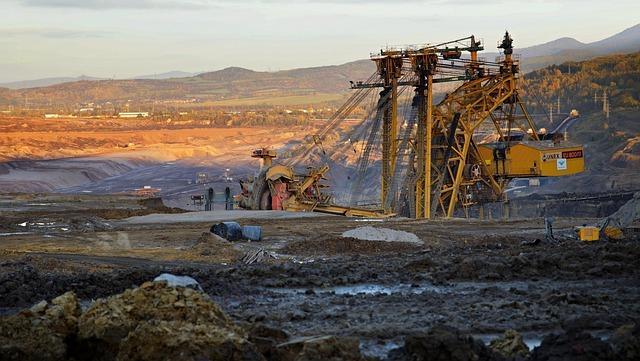
Responsible mining practices are essential for fostering sustainable economic growth and social development within local communities. By prioritizing environmental stewardship and community engagement, mining companies can create considerable positive impacts that extend beyond their operations. Recognizing the importance of collaboration, these companies are increasingly investing in initiatives that promote education, healthcare, and infrastructure development, which contribute to a stronger societal framework. A comprehensive approach ensures that mining activity not only enriches resources but also uplifts the communities that host these operations.
The integration of local workforce participation and supplier agreements into mining operations can substantially enhance community resilience. When mining companies employ local workers and source materials from nearby businesses, they stimulate local economic growth and reduce dependency on external suppliers. This leads to a virtuous cycle of prosperity, where increased local income can be reinvested in community services and support networks. Moreover, by establishing transparent dialogue channels and establishing partnerships with local organizations, mining companies can ensure that the voices of community members are heard and addressed, paving the way for mutual benefits.
| Community Benefits | Responsible Mining Practices |
|---|---|
| Employment Opportunities | Prioritizing local hiring |
| Investment in Infrastructure | Developing roads, schools, and healthcare facilities |
| Health and Safety Programs | Implementing community health initiatives |
| Environmental Conservation | Restoration projects and responsible waste management |
Regulatory frameworks Shaping the Future of Gold in Africa

The regulatory landscape governing Africa’s gold market is undergoing a transformative phase, driven by a confluence of factors including sustainability, transparency, and community engagement. As nations within the continent strive to attract investment while ensuring ethical mining practices, new frameworks are emerging. These regulations are not only aimed at enhancing the operational viability of gold mining companies but also at protecting the rights and welfare of local communities. Key areas of focus include:
- Environmental Sustainability: Implementation of laws mandating sustainable mining practices to mitigate negative environmental impacts.
- Revenue Transparency: Requirements for public disclosure of licensing and royalty payments to promote fiscal accountability.
- Community Relations: Development of policies fostering meaningful dialogue and partnerships with local populations affected by mining activities.
With the increasing importance placed on responsible sourcing by global consumers,African nations are realizing the need for a cohesive regulatory approach that not only reinforces legal compliance but also positions their gold market competitively on the world stage.Collaborations across borders and sectors are critical in establishing harmonized regulations and best practices. To provide a clearer picture of the evolving framework, the following table summarizes key regulatory initiatives across major gold-producing countries in Africa:
| Country | Key Initiative | Focus Area |
|---|---|---|
| Ghana | Mining Act (2006) | Investment and Environmental Standards |
| South Africa | Mineral and Petroleum Resources Development Act | Community Participation and Equity |
| Tanzania | Mining Policy (2009) | Local content Requirements |
| Mali | Mining code (2019) | Investment Climate and Sustainable Practices |
Insights from Industry Leaders at African Mining Week

At the forefront of the upcoming African Mining Week,industry leaders are expected to share invaluable insights about the gold market in Africa. This year’s event will serve as a platform for key players to delve into market trends, investment opportunities, and sustainability practices that are shaping the future of gold mining on the continent.With the rise of new technologies and the shifting landscape of global demand, the discussions will cover essential topics including:
- Innovative mining technologies - Exploring how advancements in technology are enhancing efficiency.
- environmental sustainability – Addressing the industry’s impact and the push for greener practices.
- Investment climate – Analyzing the factors driving foreign investment in Africa’s gold sector.
Along with these critical themes, participants can expect engaging panels and roundtable discussions featuring influential speakers from various segments of the mining industry. It will provide an opportunity to examine the current challenges and prospects for the gold market, including:
| Challenges | Opportunities |
|---|---|
| Regulatory hurdles – Navigating complex legal frameworks. | Emerging markets – Tapping into new areas with untapped gold reserves. |
| Environmental concerns – Addressing community resistance and ecological impacts. | Technological advancements – Leveraging AI and data analysis for mining operations. |
Future Outlook
African Mining Week stands poised to be a pivotal event, shining a spotlight on the continent’s burgeoning gold market. As experts,policymakers,and industry leaders gather to exchange insights and forge partnerships,the discussions will not only address the challenges faced by the sector but also explore innovative solutions that can drive sustainable growth. With Africa’s gold reserves attracting considerable global interest, the outcomes of this week-long event could significantly influence investment trends and regulatory frameworks in the region. As the mining landscape evolves, it is clear that African Mining Week will play a crucial role in shaping the future of Africa’s mining industry, reinforcing its position as a key player on the world stage. Stakeholders will be watching closely as the dialogues unfold, hopeful for a brighter and more prosperous mining sector that benefits both the economies of African nations and the global market.