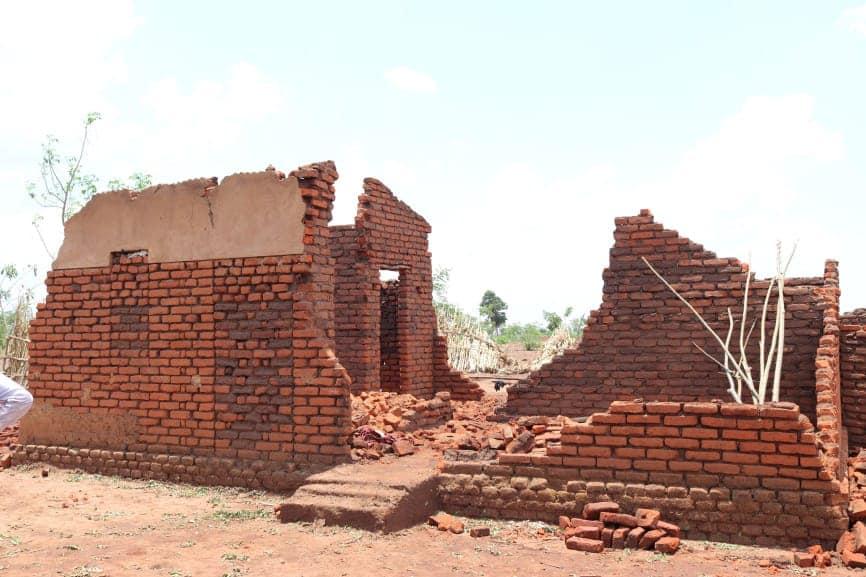
As the dry, cracked earth of Malawi yearns for moisture, the promise of rain looms on the horizon, symbolizing both hope and peril for the nation. In a region where agriculture is the backbone of the economy and food security remains an ongoing challenge, the arrival of rainfall is often met with mixed emotions. This year’s rainy season has the potential to replenish parched soils and revive crop yields,but it also carries the threat of flooding,landslides,and disease outbreaks.As farmers prepare to make the most of the wet season, the delicate balance between drought and deluge exemplifies the fragility of Malawi’s environmental and agricultural landscape.In this article, we explore how the anticipated rains herald both deliverance and danger, shaping the lives of millions in a nation that continues to grapple with the effects of climate change and resource scarcity.

Impact of Climate change on Malawi’s rain Patterns
The changing dynamics of rainfall in Malawi are becoming increasingly evident, with implications that can both facilitate and jeopardize agricultural success. The country, heavily reliant on its farming sector, faces a paradox where seasonal rains can revive parched landscapes but also bring about destructive floods. Factors contributing to this variability include rising global temperatures, which disturb past weather patterns, leading to unpredictable wet and dry seasons. Farmers often find themselves unprepared for sudden deluges that wash away crops, while prolonged dry periods threaten food security and contribute to chronic malnutrition.
Moreover, the uneven distribution of rainfall not only affects crop yields but also strains water resources. Data indicates a shift in rainfall patterns, with some areas experiencing increased rainfall, while others suffer from severe deficits. The following table summarizes key impacts of climate change on Malawi’s rain patterns:
| impact | Details |
|---|---|
| Flooding | Intense rainfall leading to soil erosion and loss of arable land. |
| Drought | Extended dry spells affecting crop viability and water supply. |
| Crop Diversification | Need for farmers to shift to more resilient crops to mitigate risks. |
As Malawi grapples with these challenges, the need for adaptive measures becomes crucial. Strategies such as investing in improved irrigation systems and developing climate-resilient crops are vital for safeguarding the agriculture sector. The goverment, alongside international partners, is urged to implement extensive policies that not only target immediate relief during extreme weather events but also promote long-term sustainability of agriculture and water resources.

Agricultural Challenges and Opportunities amid Erratic Weather
The agricultural landscape in Malawi is increasingly defined by the dual forces of erratic weather patterns and the pressing need for adaptation. Farmers face a precarious balance: the promise of rain as a vital necessity for crop growth, yet the potential for devastating effects, such as flooding and soil erosion. An emerging strategy involves integrating traditional farming practices with modern techniques to bolster resilience. These methods include:
- Crop rotation, which enhances soil health and reduces dependency on chemical fertilizers.
- Water conservation practices, such as rainwater harvesting, to mitigate the impacts of drought.
- Climate-resilient crop varieties, which are better suited to withstand extreme weather changes.
While the situation poses important challenges, it also opens a window of chance for innovation within Malawi’s agricultural sector. Government initiatives and international partnerships are focusing on enduring advancement, equipping farmers with the knowledge and tools to thrive under adverse conditions. To illustrate this progress, the following table highlights key initiatives aimed at enhancing resilience in Malawi’s agriculture:
| Initiative | Description | Impact |
|---|---|---|
| Climate-Smart Agriculture | Incorporating sustainable practices to increase productivity and adapt to climate change | Higher yields with reduced environmental impact |
| Farmers’ Training Programs | Workshops on best practices in sustainable farming | Improved knowledge and skills among local farmers |
| Research and development Grants | Funding for developing drought-resistant crop varieties | Increased food security and farmer incomes |
Water Management Strategies for Sustainable Development
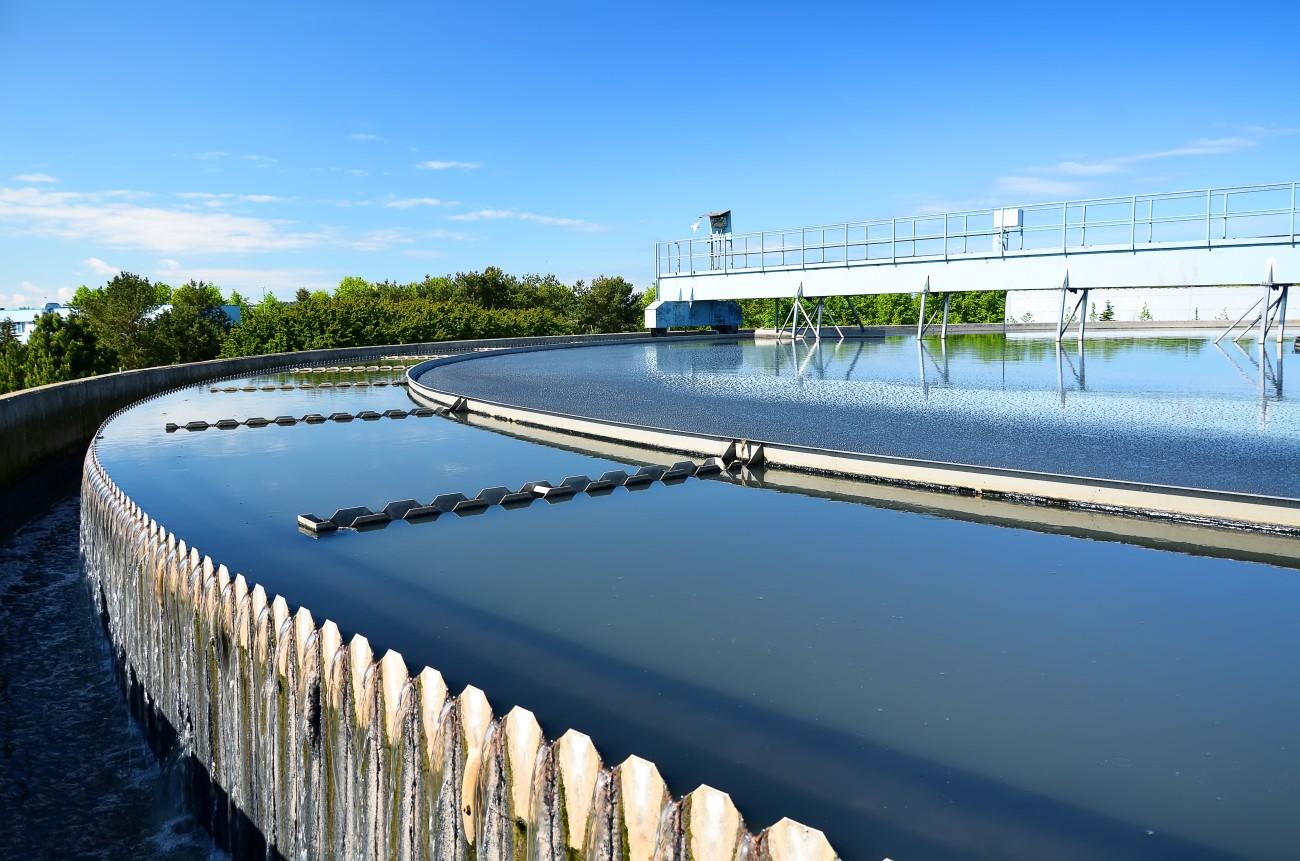
Water is the lifeblood of Malawi, serving as a critical resource for agriculture, drinking, and sanitation. With the looming threat of climate change and recurrent droughts, it is imperative that Malawi embraces robust water management strategies to harness the benefits of seasonal rains while mitigating associated risks.Key approaches include:
- Rainwater Harvesting: Capturing and storing rainwater can considerably alleviate pressure on existing water sources, especially during dry spells.
- Improved Irrigation Techniques: Adopting efficient irrigation methods, such as drip or sprinkler systems, helps maximize crop yields while reducing water wastage.
- Watershed Management: Protecting and restoring natural watersheds ensures sustainable water quality and quantity, fostering biodiversity.
- Aquifer Recharge: Implementing techniques to recharge groundwater sources can provide a reliable backup during drier seasons.
Moreover, effective governance and community engagement are essential in executing these strategies.Local communities must be educated and involved in water management practices to ensure sustainability. Measures such as:
- Capacity Building: Training local stakeholders on water conservation practices encourages a culture of sustainability.
- Policy Integration: Aligning water management policies with national development goals promotes cohesive and effective planning.
- Community-Led Initiatives: Empowering communities to develop their own water management solutions fosters ownership and accountability.
| Strategy | Benefit |
|---|---|
| Rainwater Harvesting | Alleviates water scarcity during dry seasons |
| Improved Irrigation | Increases crop yields with less water |
| Watershed Management | Enhances ecosystem health and water quality |
| Aquifer Recharge | Provides a sustainable water reserve |
Health Risks Associated with Flooding and Waterborne Diseases
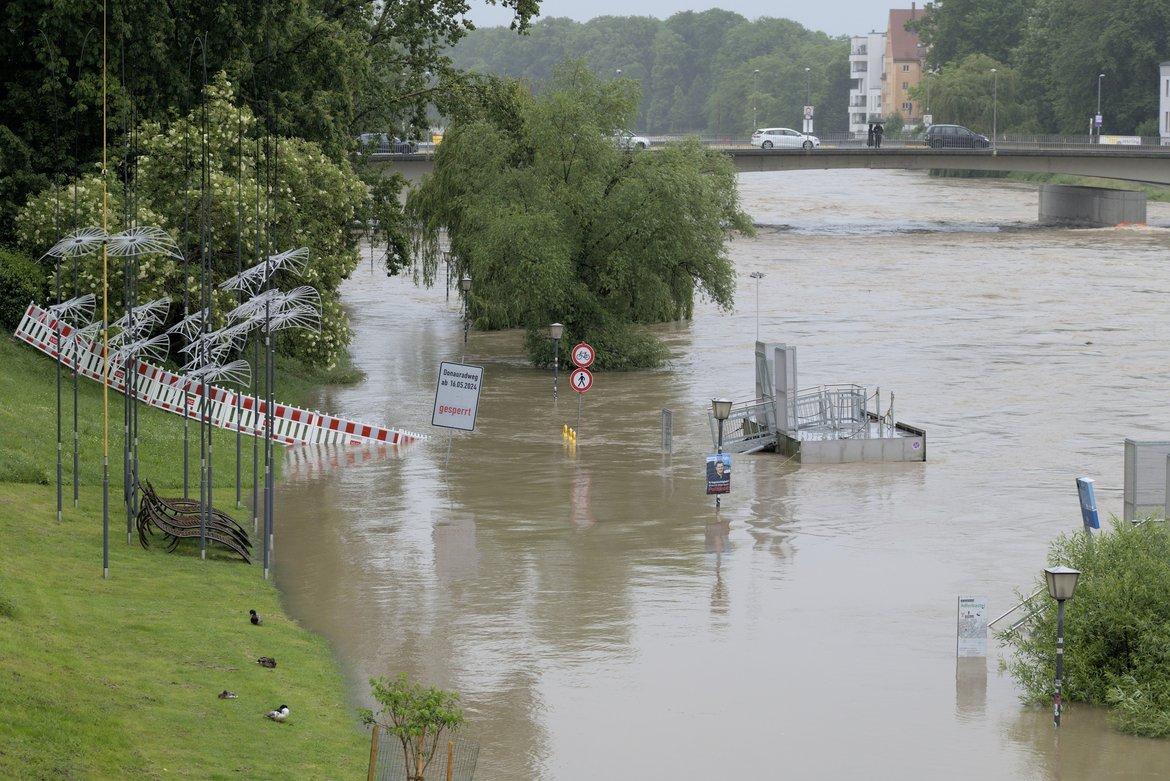
The aftermath of flooding often brings significant health risks, particularly in regions with inadequate sanitation. when floodwaters submerge urban and rural areas, they can displace human and animal waste, leading to contamination of drinking water sources. This precarious situation heightens the transmission of various waterborne diseases, including:
- Cholera: A highly infectious disease that can cause severe dehydration and death within hours.
- Typhoid Fever: Linked to the consumption of contaminated food and water, resulting in high fever and abdominal pain.
- Hepatitis A: A viral infection that leads to liver inflammation, often spread through contaminated water.
Moreover, stagnant water creates a breeding ground for mosquitoes, exacerbating the risks of vector-borne diseases such as malaria and dengue fever. Floods also disrupt healthcare services, limiting access to treatment for affected populations. to provide a clearer picture of this growing issue,the table below outlines the prevalence of these diseases before and after flooding events:
| Disease | Pre-flood Cases | Post-flood Cases |
|---|---|---|
| Cholera | 25 | 150 |
| Typhoid Fever | 40 | 200 |
| Hepatitis A | 10 | 90 |
Community Resilience: preparing for Natural Disasters
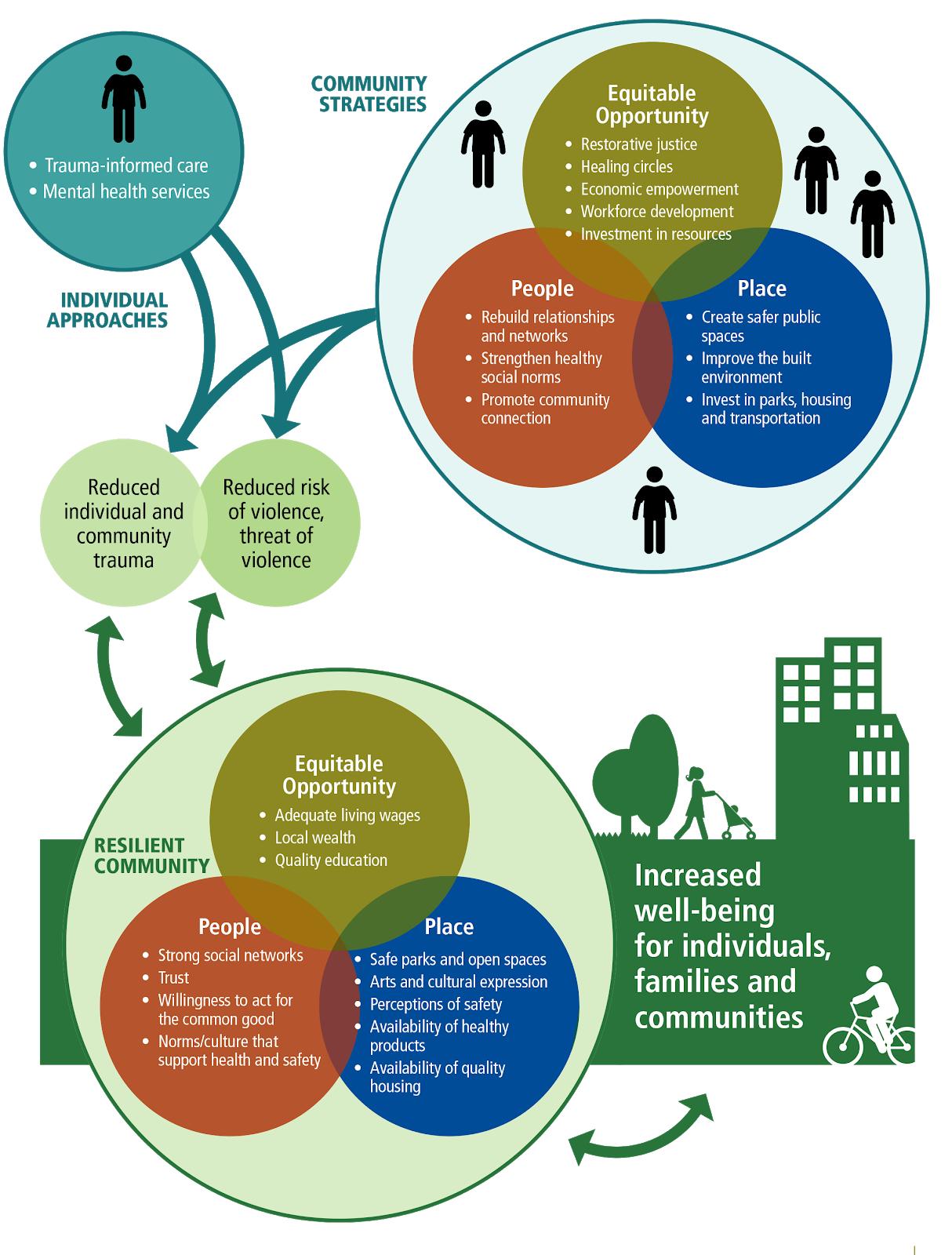
As climate change intensifies, the frequency and severity of natural disasters are rising, underscoring the necessity for communities to bolster their resilience. In regions like Malawi, where erratic rainfall patterns can lead to both drought and flooding, a proactive approach is essential. Local governments and organizations are focusing on education and awareness programs that equip citizens with the knowledge to respond effectively in emergencies. Community drills, risk assessments, and collaborative planning sessions can significantly enhance preparedness, ensuring that residents are not just passive recipients of aid but active participants in their safety.
Moreover, investing in local infrastructure is crucial for creating a sustainable safety net against disasters. Enhancements might include:
- Improved drainage systems to mitigate flooding effects.
- Strengthening buildings to withstand extreme weather events.
- Community gardens and green spaces to promote food security and disaster recovery.
by leveraging natural and human resources, communities can build an adaptive capacity that minimizes the impact of future crises. A concerted effort to unify emergency response teams, local governments, and residents fosters a network of support that can transform potential devastation into opportunities for recovery and growth.

Policy Recommendations for Effective Resource Allocation and Planning
As Malawi faces the dual challenges of climate change and food security, it is imperative for policymakers to adopt a proactive and strategic approach to resource allocation.Investment in agricultural infrastructure should be prioritized to enhance resilience against unpredictable weather patterns. This includes:
- Improving irrigation systems to better manage water resources during dry spells.
- Enhancing storage facilities to reduce post-harvest losses, which can be particularly critical during bountiful harvests followed by drought.
- Encouraging sustainable farming practices to ensure the long-term viability of agricultural output.
Moreover, collaboration between government entities, NGOs, and local communities is essential for accomplished policy implementation. Establishing a transparent framework for resource distribution can prevent corruption and ensure equitable access. Key strategies may include:
| Strategy | Expected Outcome |
|---|---|
| Decentralization of planning | Increased local involvement and tailored solutions. |
| Investment in education and training | Empowered communities capable of managing resources efficiently. |
| Establishment of monitoring systems | Real-time data collection for informed decision-making. |
The Conclusion
while the rains in Malawi bring a much-needed respite from the grips of drought and the promise of agricultural recovery, they also carry inherent risks that cannot be overlooked. As farmers prepare for the planting season, the potential for flooding and land degradation looms large, necessitating strategic planning and robust infrastructure to safeguard livelihoods.It is indeed essential for both local authorities and international organizations to work collaboratively to mitigate the adverse impacts of heavy rains, ensuring that the promise of agricultural rejuvenation translates into sustainable development for the people of Malawi. The balance between harnessing the life-giving properties of water and safeguarding against its destructive potential will define Malawi’s agricultural landscape in the years to come.As the nation stands on the precipice of change, the hope is that with careful management, the rains will indeed be a source of deliverance rather than disaster.